At a moment when global geopolitics is being reshaped by technological rivalry, climate stress, and the reconfiguration of economic power, India’s foreign policy choices demand not only tactical agility but long-range strategic clarity. The questions confronting New Delhi today extend far beyond alignment and rivalry; they cut to the deeper task of safeguarding autonomy while advancing development in a fragmented and uncertain world.
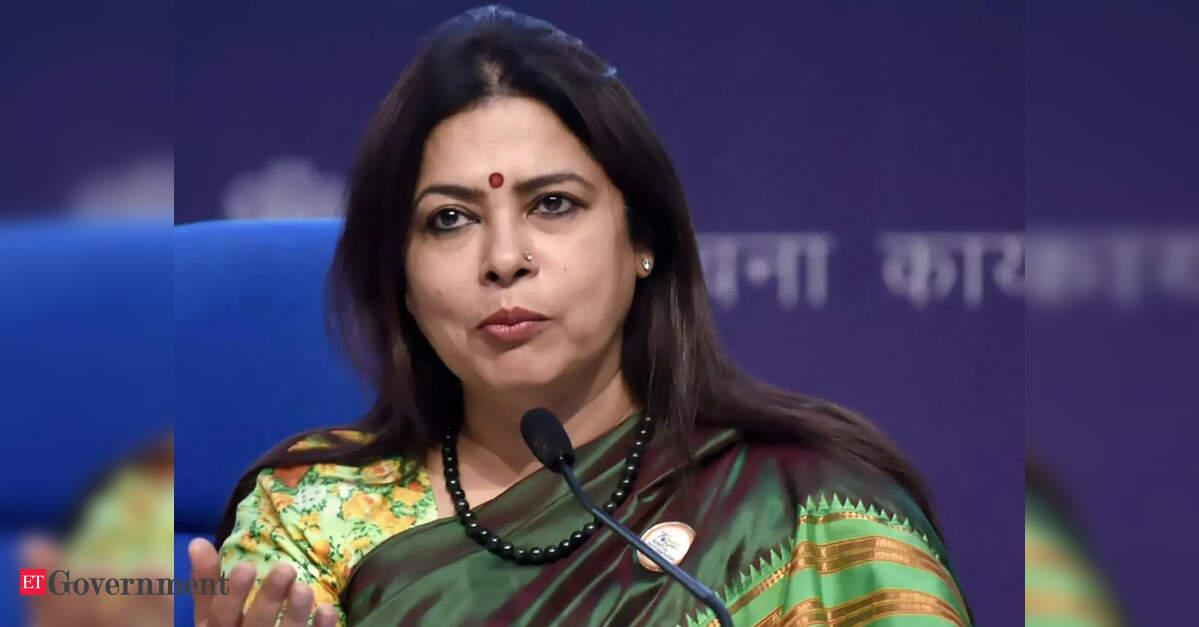
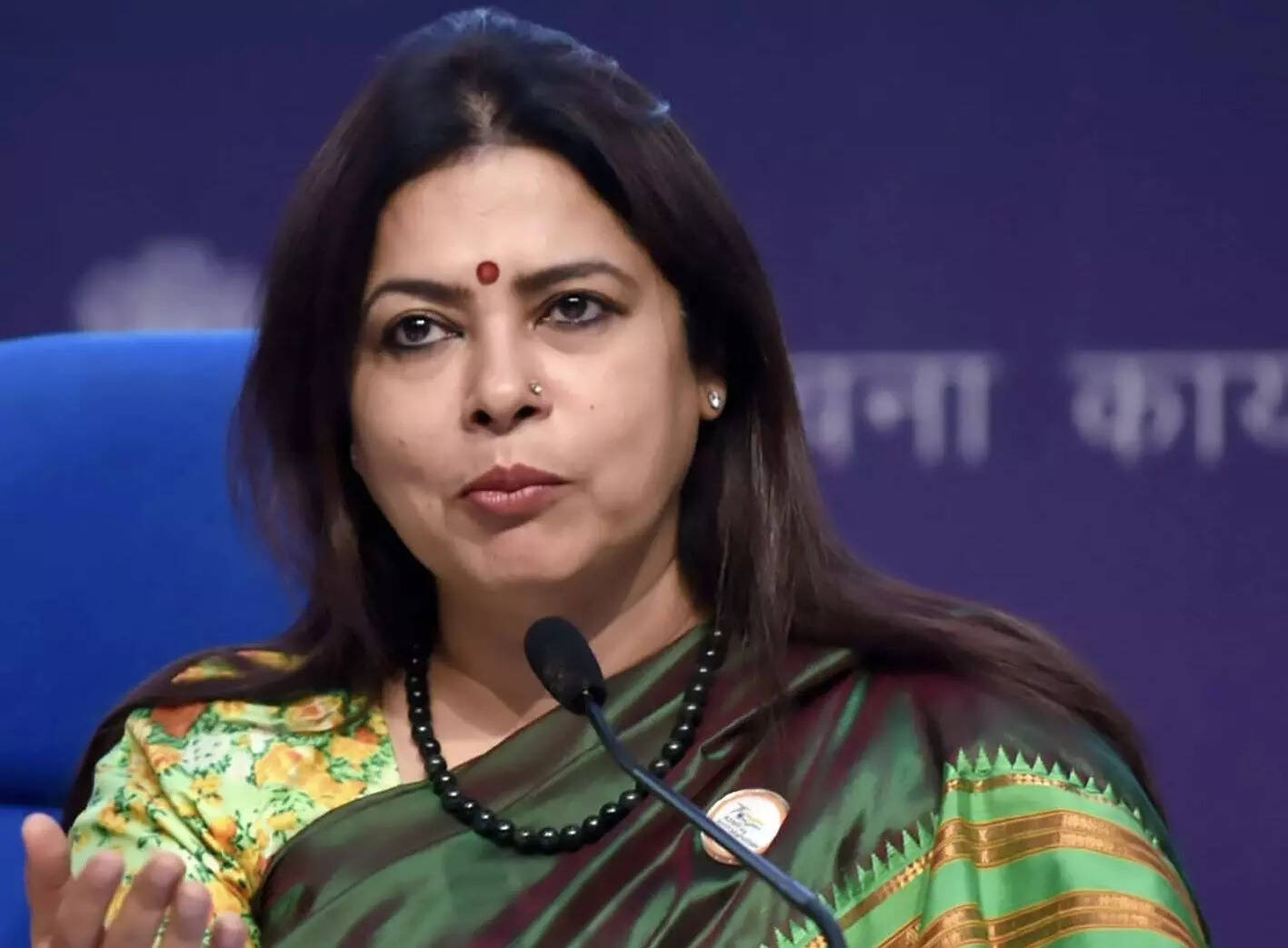
Few contemporary Indian policymakers straddle the domains of diplomacy, law, culture, and climate with the range and intellectual depth of Meenakshi Lekhi. A former Minister of State for External Affairs and Culture, and an advocate of the Supreme Court, Lekhi has consistently articulated a foreign-policy vision that integrates strategic realism with normative responsibility. Her interventions on multilateralism, climate justice, cultural diplomacy, and institutional reform reflect an approach that treats diplomacy not merely as statecraft, but as an instrument of long-term national transformation.
In this conversation with Anoop Verma, Lekhi reflects on the structural forces reshaping global power balances, India’s calibrated response to great-power competition, and the emerging strategic salience of climate, technology, and resilience. From the Indo-Pacific and the Arctic to climate finance, soft power, and environmental diplomacy, she offers a measured and intellectually grounded articulation of how India can convert uncertainty into strategic opportunity—without compromising either its developmental priorities or its strategic autonomy.
Edited excerpts:
What are the key structural forces reshaping global power balances today, and how should India position itself in this changing landscape?
The contemporary global order is being reshaped by a confluence of structural forces rather than by any single geopolitical contest. At the forefront is technological competition, particularly in areas such as artificial intelligence, semiconductors, and clean technologies, which now determine not only economic advantage but also national security and strategic autonomy.
Alongside this is the re-ordering of global supply chains following the COVID-19 shock and intensifying geopolitical pressures, which has compelled states to rethink efficiency-driven globalisation in favour of resilience and trust. Energy resources remain a central axis of power, but they are now inseparable from questions of transition, storage, and long-term sustainability. Finally, climate change has emerged as a strategic variable in its own right, reshaping resource availability, migration patterns, and even maritime geography, including new routes opening in the Arctic.
India’s response to this complex environment must be layered and pragmatic. It requires deepening selective technology partnerships while simultaneously building robust domestic capabilities, so that critical sectors do not become sources of strategic dependence. Energy security must be approached not only through diversification of sources but also through sustained investment in alternative technologies and storage solutions.
India’s market scale and manufacturing push give it the ability to anchor resilient supply-chain nodes, particularly in the Indo-Pacific and increasingly in emerging theatres such as the Arctic. Equally important is the translation of climate leadership into industrial diplomacy, where decarbonisation becomes a driver of employment, manufacturing growth, and international leverage. In practical terms, this means careful hedging, proactive economic diplomacy to attract carbon-transition supply lines, and a firm commitment to strategic autonomy while building issue-based coalitions.
India’s engagement with the Arctic and Greenland is attracting attention. How do India’s interests converge or diverge from those of other powers, and what practical steps should India take?
India’s interests in the Arctic are fundamentally distinct from the territorial or militarised approaches adopted by some other powers. They are primarily scientific and climate-security oriented, focused on understanding the complex linkages between polar processes, the monsoon system, and the Himalayan ecosystem. For India, access to reliable climate data and long-term research cooperation is far more consequential than questions of sovereignty or control.
This orientation creates significant convergence with the Arctic’s scientific community and opens avenues for cooperative engagement without triggering zero-sum strategic anxieties. India should therefore expand its scientific diplomacy by funding more research programmes and deepening partnerships with Arctic institutions. There is also scope for proposing joint climate-impact studies that explicitly link Arctic ice melt with South Asian monsoon variability, thereby situating India’s interests within a shared global risk framework.
Engagement should remain quiet, multilateral, and science-first, making full use of observer platforms such as the Arctic Council rather than resorting to high-profile strategic posturing that could unsettle Arctic states. This approach allows India to contribute meaningfully while preserving trust and legitimacy.
What should India’s core priorities be in shaping a free, open, and inclusive Indo-Pacific, particularly while balancing Quad engagements and ASEAN ties?
India’s Indo-Pacific vision must rest on three interlinked priorities. The first is the protection of maritime security and freedom of navigation, which are indispensable for trade, energy flows, and regional stability. The second is the acceleration of resilient economic linkages, especially in critical minerals and clean-energy value chains that will underpin future growth. The third is the strengthening of ASEAN centrality, not as a rhetorical commitment but as an operational principle. One must consider that ASEAN represents the erstwhile empire of Srivijaya and Bharat definitely had a remarkable influence and relationships in the region.
Balancing the Quad and ASEAN requires India to work along two lanes simultaneously. On one hand, it must deepen defence-technology cooperation and infrastructure initiatives with Quad partners. On the other, it should ensure that the outputs of Quad cooperation are translated into scalable and credible , ASEAN-friendly public goods such as training programmes, capacity-building initiatives, and resilient supply-chain projects. Presenting Quad deliverables as computable and complementary resources rather than exclusive arrangements allows India to reinforce ASEAN trust while maintaining strategic depth.
Parallel investment in ASEAN capacity building further anchors India’s role as a stabilising and inclusive regional actor while information sharing with QUAD need not be limited to publicly accessible information but should translate into intelligent information sharing.
How should India calibrate its foreign policy amid intensifying US–China competition to safeguard both autonomy and development?
Calibration in this context is best understood as operational hedging rather than strategic ambiguity. India must protect its autonomy by diversifying partnerships across defence, technology, and economic domains, while carefully compartmentalising relationships. It is entirely possible, and indeed necessary, to pursue deep defence cooperation with one partner, market-access arrangements with another, and scientific or technological collaboration with yet another.
At the same time, building indigenous capability in critical areas such as semiconductors, batteries, and green hydrogen is essential to reducing long-term vulnerability. Diplomatically, India should remain transparent about its interests, avoid ritualistic alignment with blocs, and focus on converting partnerships into tangible domestic gains, including technology transfers and joint manufacturing. This approach preserves manoeuvring space while ensuring that development and security objectives reinforce one another. Learn from the experience of others in the field of tariff, duties, imports and trade from other nations leading up to economic security.
What are the most effective mechanisms for advancing India’s soft power while protecting national interests?
Soft power is most effective when it is institutionalised, mission-oriented, and measurable. Cultural diplomacy must move beyond events to sustained engagement through strong cultural centres, structured curricula, and large-scale scholarship programmes. Diaspora engagement should be leveraged not only for cultural outreach but also for trade, technology, and innovation linkages. Sector-specific initiatives in areas such as film, tourism, Ayurveda, and education can yield significant dividends if they are backed by quality assurance and professional standards.
Protecting national interest requires that soft-power outreach be closely paired with economic diplomacy, including trade missions and investment facilitation. Cultural programmes must also be governed by clear frameworks for intellectual property protection, heritage conservation, and community consent. In essence, India should scale up its cultural delivery, rigorously assess outcomes, and ensure that cultural influence is connected to concrete strategic and economic returns. We must consolidate our actions rather than spread ourselves too thin across the landscape.
Between multilateral engagement and deeper bilateral partnerships, which is more effective for India’s interests?
This is not an either-or choice. Multilateral forums are indispensable for shaping global public goods, whether in climate finance norms, trade rules, or international standards, and they provide platforms for India’s leadership narratives. Bilateral partnerships, however, offer speed, depth, and the ability to operationalise outcomes through investments, defence cooperation, and technology transfer.
The optimal posture is one of selective multilateralism. India should lead on norm-setting where collective action is essential, while using bilateral channels to translate those norms into concrete projects and manufacturing outcomes. This dual-track approach preserves leverage and ensures that global commitments deliver tangible national gains.
How can India leverage diplomacy to build consensus on climate justice and equitable transitions?
India’s climate diplomacy must be anchored in fairness, capability, and delivery. Fairness requires clear and quantified demands for concessional finance and technology transfer to support adaptation and transition. Capability can be demonstrated through what may be described as “Make-in-India” for “The Climate” partnerships, where India offers manufacturing capacity and training to the Global South to scale affordable green technologies. Delivery is critical, and this means moving beyond declarations to pilots, monitoring frameworks, and investible projects that translate commitments into action.
Diplomatically, this approach calls for coalition-building with like-minded middle powers and developing countries, and sustained engagement at forums such as the UNFCCC and multilateral development banks to prioritise adaptation finance and predictable technology corridors. I would go to the extent of articulating it to mean that India should construct and lead the coalition of the willing.
Should environmental diplomacy be institutionalised within mainstream foreign policy, and if so, how can this be operationalised?
Environmental diplomacy can no longer remain peripheral because climate and resource stress now act as strategic multipliers. It must therefore be mainstreamed within foreign policy institutions. Operationally, this requires the creation of a dedicated climate and environmental diplomacy cell within the MoEF or Ministry of External Affairs, with structured secondments from environment, finance, and planning institutions. Climate attachés should be appointed in priority embassies and multilateral organisations, and environmental metrics should be embedded in bilateral roadmaps.
Equally important is the development of rapid-response technical teams capable of negotiating finance, technology access, and disaster cooperation. Such institutional reforms would ensure that climate considerations become a routine element of strategic diplomacy rather than an occasional add-on.
How should India shape its approach to climate finance, technology transfer, and capacity-building at UNFCCC and related forums?
India’s position must be grounded in practical outcomes. This includes insisting on predictable and additional concessional finance for adaptation and for addressing loss and damage, alongside actionable technology-transfer mechanisms that respect intellectual property while enabling access through joint ventures and open licensing for essential technologies. Capacity-building should be scaled through regional training hubs and manufacturing partnerships.
At the UNFCCC and within multilateral development banks, India should lead coalitions of developing countries to demand transparency in what qualifies as climate finance and to promote blended-finance vehicles that reduce risk for private capital in green industrialisation across the Global South.
How can climate resilience and sustainability be integrated into India’s strategic development planning, both domestically and with neighbouring countries?
Climate resilience must be mainstreamed by embedding climate criteria into national infrastructure planning, fiscal appraisals, and budgetary decision-making. Cross-border climate projects in South Asia, including water-smart river-basin management, resilient grid interconnections, Off the Grid Net Zero infrastructure and early-warning systems, should be developed through regional platforms and supported by concessional finance that incentivises resilient design.
Domestically, central funding can be linked to state-level performance on resilience metrics, while national research and development efforts should focus on scaling climate-smart technologies that are exportable to neighbouring countries. Initiatives such as the Coalition for Disaster Resilient Infrastructure require renewed emphasis on training and technical support to address disaster vulnerabilities. Together, these measures merge development, security, and diplomacy into a coherent resilience agenda.
How should India balance climate ambition with its development needs?
This balance demands policy realism rather than rhetorical maximalism. India must adopt a just-transition framework that sequences decarbonisation alongside growth, secures concessional finance for capital-intensive transitions such as green hydrogen and grid-scale storage, and prioritises high-impact, low-cost interventions such as solar manufacturing and energy-efficient urban retrofits.
Diplomacy plays a central role in mobilising technology partnerships and concessional financing from multilateral development banks. Success should be measured not only in terms of emissions targets but also in jobs created, access expanded, and emissions avoided. Such an approach keeps development at the centre while advancing India’s climate commitments with credibility and purpose.