

3 min readNew DelhiMar 5, 2026 02:24 PM IST
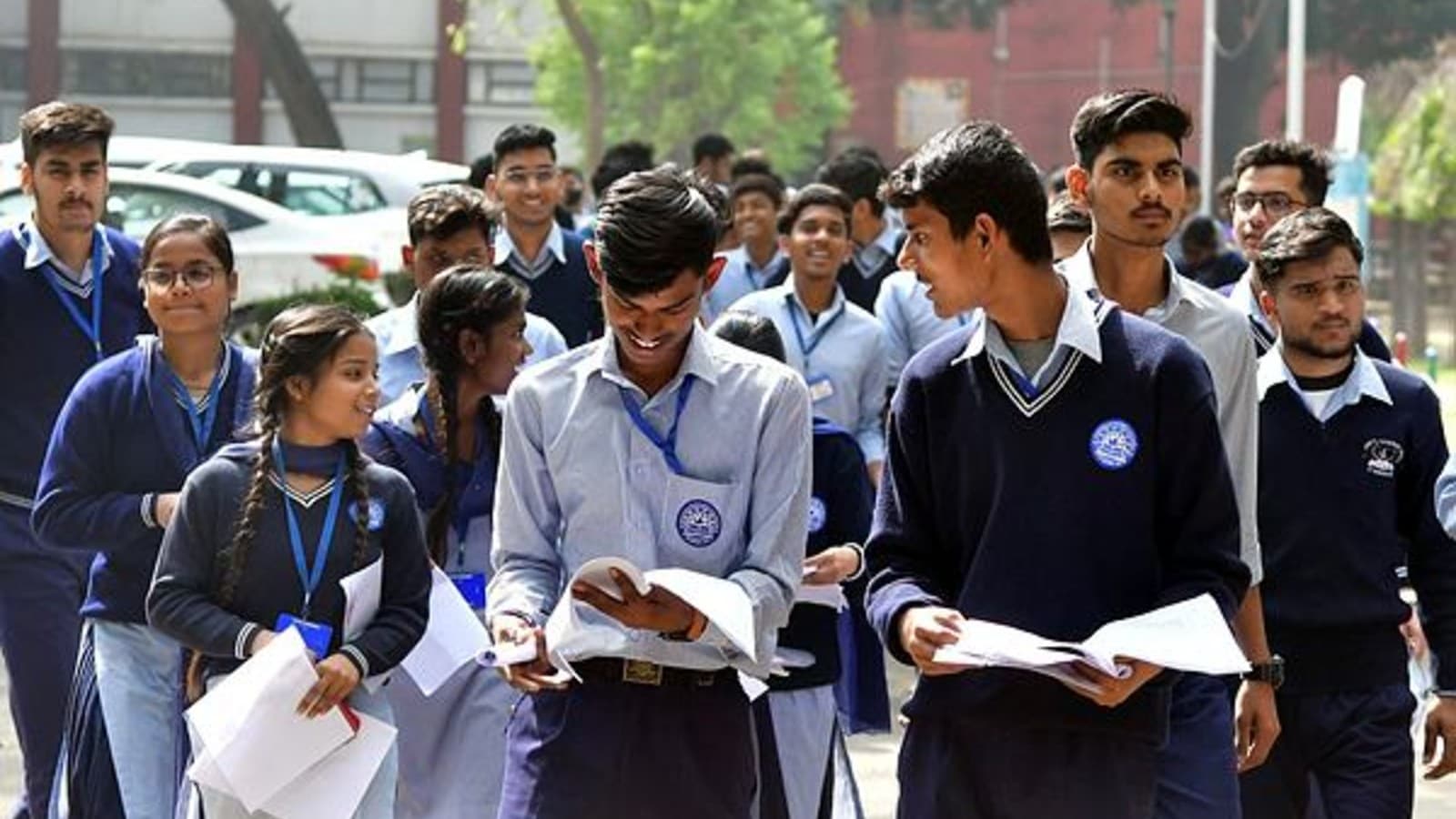
The Central Board of Secondary Education (CBSE) has concluded the Psychology examination for Class 12 students. The exam was conducted across India between 10:30 am and 1:30 pm. Students were given 15 minutes of reading time before starting the exam. Both students and teachers claim that the difficulty level of the paper ranged from easy to moderate.
Here is what students and teachers say about the exam:

CBSE Class 12th Psychology Overall Exam Analysis
“The CBSE Class 12 Psychology Board examination was designed as per the board pattern and sample papers. The paper was designed to assess students’ understanding of psychological concepts, theories, and their practical applications. The question paper followed the prescribed CBSE blueprint and weightage, maintaining a balanced distribution across different sections and competencies,” said Deanna Mary Fugle (PGT), Psychology at JAIN International Residential School, Bengaluru.
She observed that several questions were straightforward, testing recall and basic conceptual understanding. The MCQs and two-mark questions were direct and allowed students to apply fundamental knowledge clearly.
Fugle noted that the three-mark and four-mark questions in sections C and D required deeper reasoning and higher-order thinking skills, pushing students to analyse and apply psychological ideas in more complex contexts. She said that while these were manageable for well-prepared students, they demanded careful interpretation.
“The six-mark questions in section E focused on conceptual clarity and explanatory knowledge, and students with well-organised answers would have found them approachable,” she said, adding there was an inclusion of case-based questions, which emphasised applying psychological principles to real-life situations.
In her overall assessment, Fugle concluded that the paper effectively evaluated students’ knowledge, analytical ability, and critical thinking. She emphasised that the balanced inclusion of conceptual, analytical, and application-based questions, along with HOTS and case-based items, ensured comprehensive evaluation. She summarised that the difficulty level of the paper was easy to moderate.
Story continues below this ad
Another teacher from Lancers Army Schools, Heena Kulkarni, assessed that the exam was good and balanced, and most questions were average in difficulty but required practical understanding. “The paper was not overly tricky, but it required students to read questions carefully and understand what was being asked,” said Kulkarni, adding that many questions focused on practical understanding rather than simple memorisation. Students with clear conceptual understanding could navigate and score well.
Apurva Srivastava, PGT Psychology at Silverline Prestige School, Ghaziabad, remarked that the Psychology paper was of easy to moderate difficulty and drew a positive response from students. She explained that the exam was well-structured and comprehensive.
She noted that the overall impression among students was one of satisfaction and confidence, with many feeling excited after completing the paper. Srivastava pointed out that the multiple-choice questions were relatively simple, focusing on basic knowledge and lower-order thinking skills, thereby serving as a good measure of foundational understanding. She added that the case study questions were direct and manageable, enabling students to apply their knowledge and showcase analytical skills.
She emphasised that a significant portion of the paper focused on intelligence and related disorders, underlining the importance of this topic within the curriculum. In her view, the paper struck a balance between easy and challenging questions, encouraging both critical thinking and application.
