

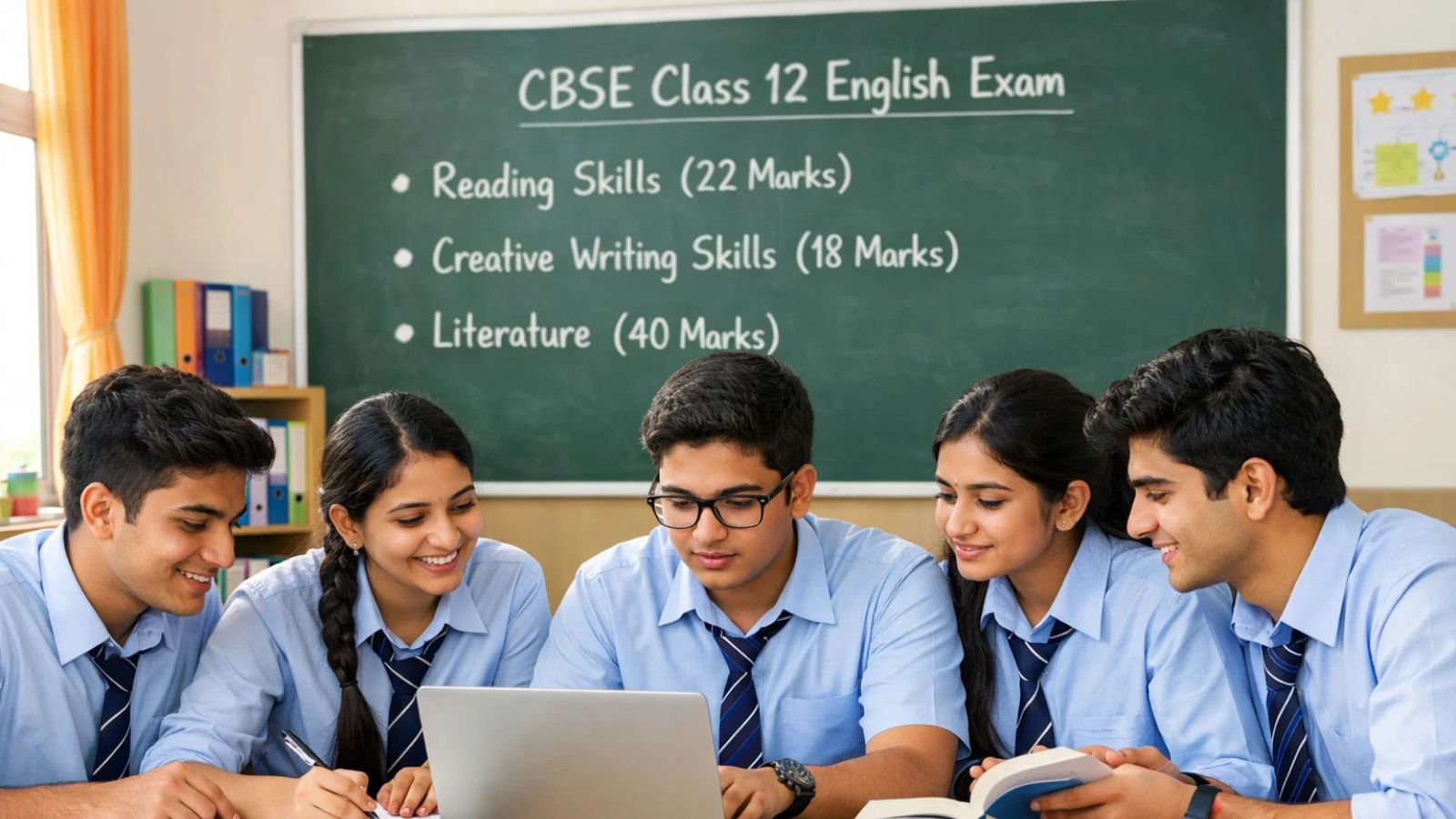
The CBSE Class 12 English Core (301) exam has evolved. It is no longer just a test of memory; it is a test of analysis and articulation. With the weightage shifted to Section A (22 marks), Section B (18 marks), and Section C (40 marks), students must move beyond simple summaries. Here is a blueprint to maximise your score in the 2026 board exams. The remaining 20 marks are for the listening and speaking skills assessment. The exam will be held on March 12.
–Don’t read the passage first. Read the questions first. This “reverse engineering” saves crucial minutes.
–Tip: For vocabulary questions (synonyms/antonyms), replace the word in the sentence with your option to see if the context holds.
Read | CBSE defers March 9 to 11 Class 12th board exams in the Middle East; new dates soon
Section B: Creative Writing Skills (18 Marks)
–Short Writing: In notices and invitations, strictly adhere to the box and word limit (50 words). Formal invitations use the third person, while informal replies use the first/second person.
Story continues below this ad
Read | ‘How is the internal assessment weightage calculated in the final result?’ CBSE Controller of Examination answers
–Long Writing Choice: Between a job application and a letter to the editor, always choose the Job Application. The Bio-data/CV section is purely format-based and fetches easy marks with minimal grammatical risk.
–Article vs Report: Choose report writing if you prefer factual, objective details. Choose article writing only if you have a strong vocabulary and can structure an argumentative flow.
Section C: Literature (40 Marks)
This section is the game-changer. The current pattern emphasises competency-based questions. You will face questions asking you to draft a speech, article, or diary entry based on a chapter’s theme.
Story continues below this ad
High-Priority Chapters (The 80/20 Rule):
Paper setters frequently target chapters rich in universal themes. Prioritise these:
–Flamingo (Prose): Beyond the staples of The Last Lesson and Indigo, ensure you master The Rattrap (Metaphor), Lost Spring (Poverty), and Going Places (Adolescent fantasy). Do not ignore Poets and Pancakes or The Interview—their satirical nuances often appear in tricky 2-mark inference questions.
–Flamingo (Poetry): My Mother at Sixty-six and Aunt Jennifer’s Tigers are recurring board favourites, but you must also master the complex imagery in A Thing of Beauty, A Roadside Stand and Keeping Quiet. Be ready to identify Pun, Synecdoche, Alliteration, Transferred Epithet, and Oxymoron apart from the usual similes, metaphors and personifications to crack the extract-based MCQs.
–Vistas: The Third Level (Escapism) and On The Face of It (Optimism) are key. However, The Tiger King (Satire), The Enemy (Duty vs. Patriotism), Journey to the End of the Earth (Environment), and Memories of Childhood (Marginalisation) are essential for long-answer questions.
Story continues below this ad
Handling the tricky questions
–You might be asked to compare the fear experienced by Douglas (Deep Water) with the anxiety of the poet in My Mother at Sixty-six. In such a case, you need to identify the common emotion first, followed by the structuring of the answer:
–The “Writing-Skill” Literature Question: Example: “You are Dr Sadao. Write a diary entry about the dilemma of saving the enemy soldier.” Strategy: Adopt the persona immediately. Use the first person (“I felt…”). Combine the chapter’s factual events with the format of a diary/speech.
The Last 24 Hours: What to Revise
Do Not Read Chapters: It is too late. Read theme summaries and character sketches.
Memorise one example of every device in the given poems. Visually scan the layouts for notices, invitations, formal letters, articles, reports and job applications.
Use the 15-minute reading time to read through the unfamiliar passages in the reading section and to select your optional questions in Section B and Section C. Tackle the paper as it is set, attempt the reading section first, as your brain will be too tired to comprehend the passages if left till last. English is high-scoring, provided you respect the word limit and focus on keywords.
By Lakshmi Srinivasan, HOD English Department, DPS RN Extension
