In recent years, India’s approach to disability welfare has been undergoing a structural shift—from a fragmented, scheme-driven framework to a more integrated, rights-based model of governance.
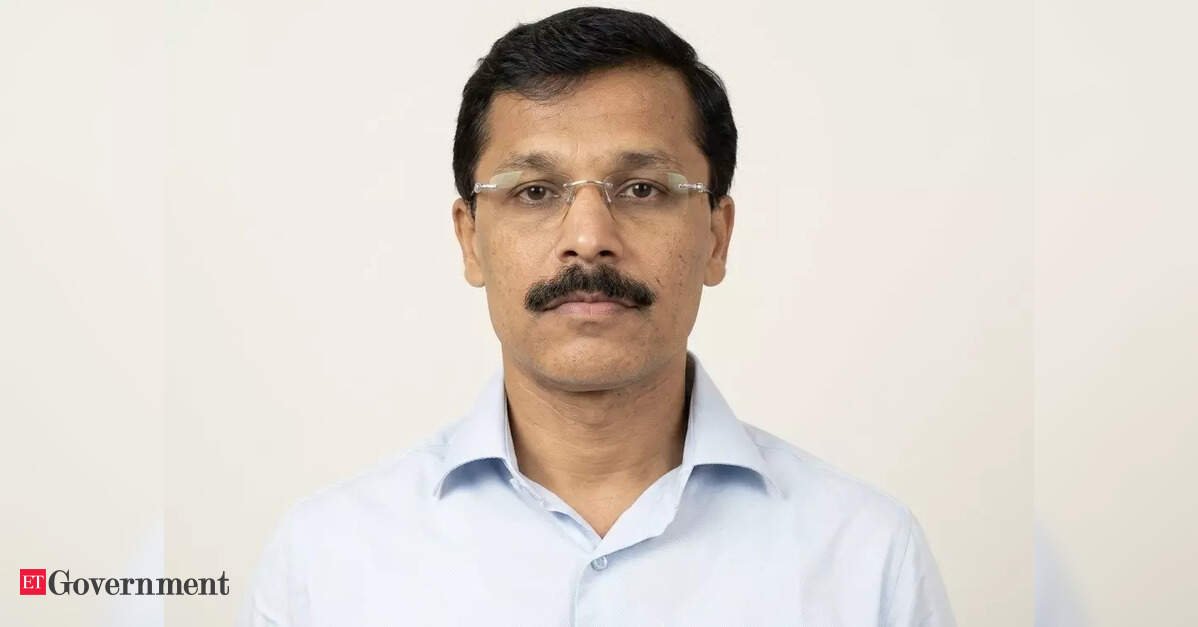
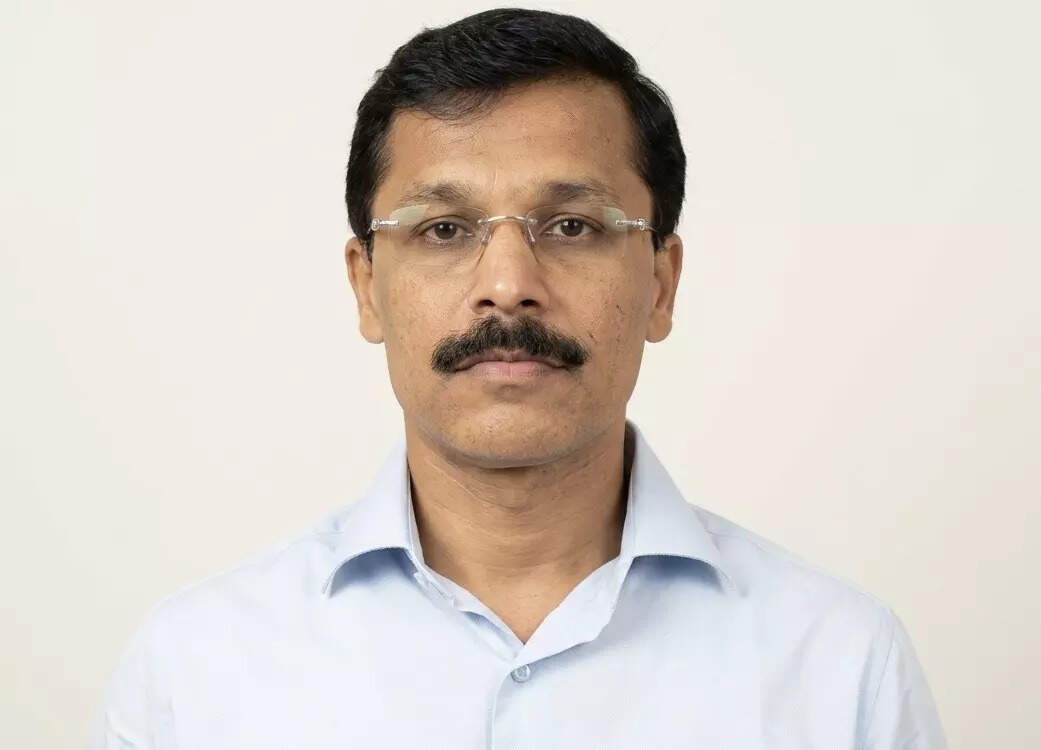
At the forefront of this transition in Maharashtra is Tukaram Mundhe, Secretary, Department of Disability Welfare, who has been driving a series of administrative and technological interventions aimed at improving accessibility, transparency, and accountability in service delivery.
From the launch of the Divyang Sahayak Portal—a unified digital platform designed to bring all entitlements to a single interface—to the use of AI-enabled grievance redressal systems and a statewide verification drive to curb misuse of disability benefits, the department is attempting to re-engineer how the state engages with persons with disabilities. These initiatives are not merely technological upgrades; they reflect a deeper policy orientation towards ensuring that rights, rather than discretionary benefits, define the governance framework.
In this conversation with Anoop Verma, Tukaram Mundhe outlines the rationale behind these reforms, the role of digital technologies in making welfare more accessible, and his broader vision of building an inclusive Maharashtra where persons with disabilities are empowered as equal participants in the state’s social and economic life.
Edited excerpts:
Maharashtra has recently launched the Divyang Sahayak Portal as a single-window platform. What factors prompted the creation of this integrated digital ecosystem?
When I joined the department in August, I noticed something deeply concerning. Persons with disabilities from different districts were travelling long distances—sometimes from remote areas like Gadchiroli or Nandurbar—just to access basic services or resolve minor issues. For individuals who are unable to walk or see, this is not just inconvenient; it is fundamentally unjust.
Upon further inquiry through institutions and direct interactions with the community, I realised that services were either not available at the local level, not accessible, or beneficiaries were unable to navigate the system effectively. In today’s digital age, such a situation clearly indicated a systemic gap.
This led to the idea that all services, schemes, rights, and entitlements must be made accessible digitally, in a format that persons with disabilities can use easily. The vision was to create a single platform where they could access everything—from information to application to grievance redressal—without having to visit multiple offices or websites. That is how the Divyang Sahayak Portal was conceptualised and implemented. The results over the past month and a half have been very encouraging.
One of the unique features of the portal is that it allows beneficiaries to discover eligible schemes based on their demographic profile without prior knowledge of scheme names. How does this redefine citizen–state interaction in welfare delivery?
The fundamental idea was to ensure that services are available at a single click. Once a person registers on the portal using their UDID (Unique Disability ID) and verifies their identity through an OTP-based system, a detailed profile is created based on their personal, social, and economic information.
Using AI, the system matches this profile with the eligibility criteria of various schemes. As a result, the user does not need to search or understand complex government resolutions. Instead, the portal automatically generates a list of schemes they are eligible for. Each scheme is presented in a simplified format—what the scheme is, what benefits it offers, and what documents are required. The application process is also streamlined, as most information is pre-filled. The user only needs to provide minimal additional inputs.
This transforms governance from a system where citizens must seek out information, to one where the state proactively delivers entitlements. It eliminates the need for intermediaries and reduces both complexity and discretion.
With AI-enabled features, voice-based access, and real-time tracking being integrated into the system, how do you see technology transforming accessibility for persons with disabilities in practical terms?
Before launching the portal, we had already introduced an AI-based grievance redressal system through a WhatsApp chatbot. Since November, we have received over 5,200 grievances, with around 96 percent resolved.
The system allows users to submit grievances either through text or voice notes, which is particularly important for those who may not be able to type. AI automatically routes the complaint to the appropriate authority. If the grievance is not acknowledged within 24 hours, it is escalated automatically, and a notice is issued to the concerned अधिकारी. We have also mapped timelines for different types of grievances—7 days, 15 days, or 30 days. If deadlines are not met, the system again triggers escalation. Once resolved, the beneficiary provides feedback and ratings, ensuring accountability.
Additionally, AI-driven analytics help us identify patterns—such as which departments receive the most complaints or where delays occur. For instance, we found that the highest number of complaints relate to discrimination in government services. This allows us to address root causes rather than just symptoms. Technology, therefore, becomes a tool not only for service delivery but also for governance reform—enhancing transparency, accountability, and responsiveness.
One of the major challenges in welfare systems is the issue of fake registrations and misuse of benefits. Maharashtra has initiated a verification drive against fake disability certificates. How do you balance accountability with the risk of inconvenience to genuine beneficiaries?
When I joined, we received multiple complaints about misuse of disability certificates. Some individuals with less than benchmark disability—or even without genuine disability—were availing benefits meant for persons with disabilities.
We initiated a verification process, starting with government employees. Departments were asked to verify UDID credentials and, where necessary, reassess the authenticity of disabilities. As a result, action has been taken against several individuals found to be ineligible. Yes, this process may cause some inconvenience to genuine beneficiaries. However, the larger objective is to ensure justice. The Rights of Persons with Disabilities Act clearly states that misuse of benefits is an offence punishable by law.
My responsibility is to ensure that the rights of genuine beneficiaries are protected. A small degree of inconvenience is acceptable if it leads to systemic fairness and prevents misuse of entitlements.
It is estimated that Maharashtra has around 29 lakh persons with disabilities, but the number of registered beneficiaries is significantly lower. How do you plan to bridge this gap?
The figure of 29 lakh is based on the 2011 Census and is an underestimate. At that time, only seven types of disabilities were recognised. Today, under the 2016 Act, there are 21 categories. Global estimates suggest that 10 to 15 percent of the population may have some form of disability.
When I joined, around 11.9 lakh UDID cards had been issued. This has now increased to approximately 14 lakh. We are working on both demand-side and supply-side strategies. On the demand side, the portal requires UDID for accessing schemes, which encourages more people to register. On the supply side, we are strengthening certification mechanisms, reducing pendency, and increasing the number of certifying authorities.
We are also leveraging data from schools, health departments, and early intervention centres to identify potential beneficiaries and facilitate their registration. Our goal is to move towards saturation, ensuring that every eligible person is covered.
Looking ahead, what is your broader vision for transforming the Department of Disability Welfare from a scheme-driven model to a rights-based, empowerment-oriented governance framework?
Our vision is centred on “Inclusive Maharashtra, Empowered Maharashtra.” The objective is to integrate persons with disabilities into the mainstream across education, employment, health, sports, and culture.
We are adopting a lifecycle approach—starting with early identification and intervention, followed by education, skill development, employment, and social security. The focus is shifting from special schools to inclusive education, where children are integrated into mainstream systems with necessary support. We are also operationalising rights under the law. For instance, we have introduced mechanisms to address abuse and atrocities against persons with disabilities, with designated authorities empowered to take action.
At the same time, we are creating enabling schemes—such as incentives for marriage, financial support for self-employment tools, and full reimbursement for higher education. These are not merely benefits but instruments of empowerment. Ultimately, the goal is to ensure that persons with disabilities are not passive recipients of welfare but active contributors to society. Inclusion is not just a social imperative; it is also an economic necessity, as exclusion leads to significant loss in productivity and GDP.