As India expands its strategic engagement with Latin America amid shifting global trade patterns and the rise of South-South cooperation, Ecuador is emerging as an increasingly important partner in areas ranging from critical minerals and renewable energy to digital governance and pharmaceuticals.
The recent high-level diplomatic exchanges between the two countries have added new momentum to bilateral relations and opened discussions on deeper economic and technological collaboration.
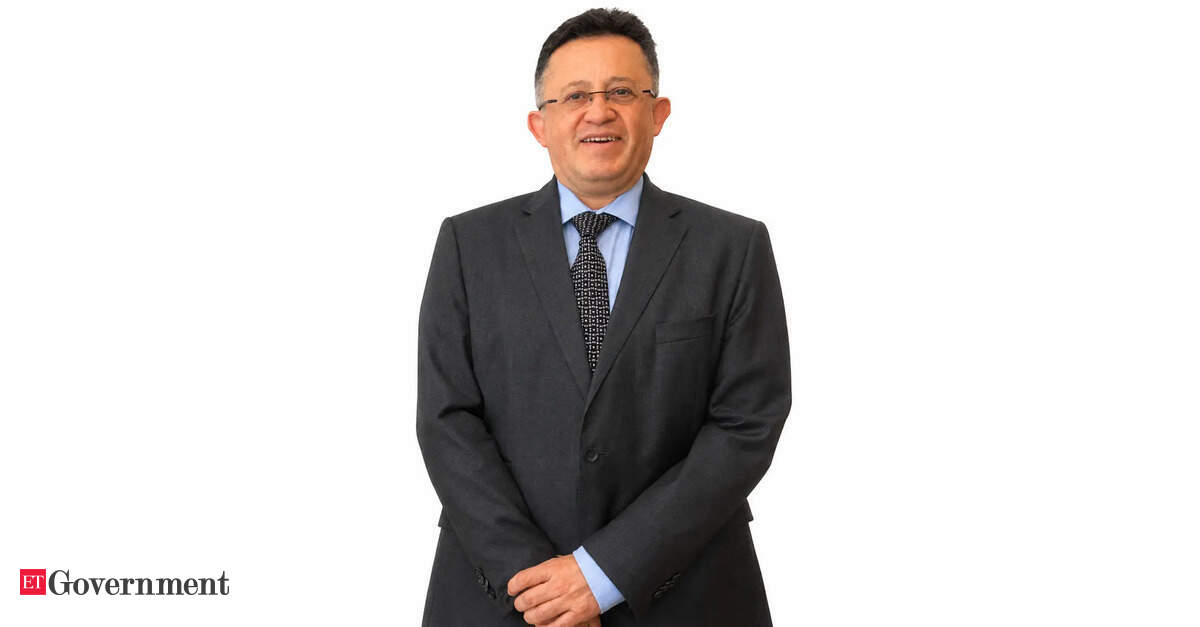
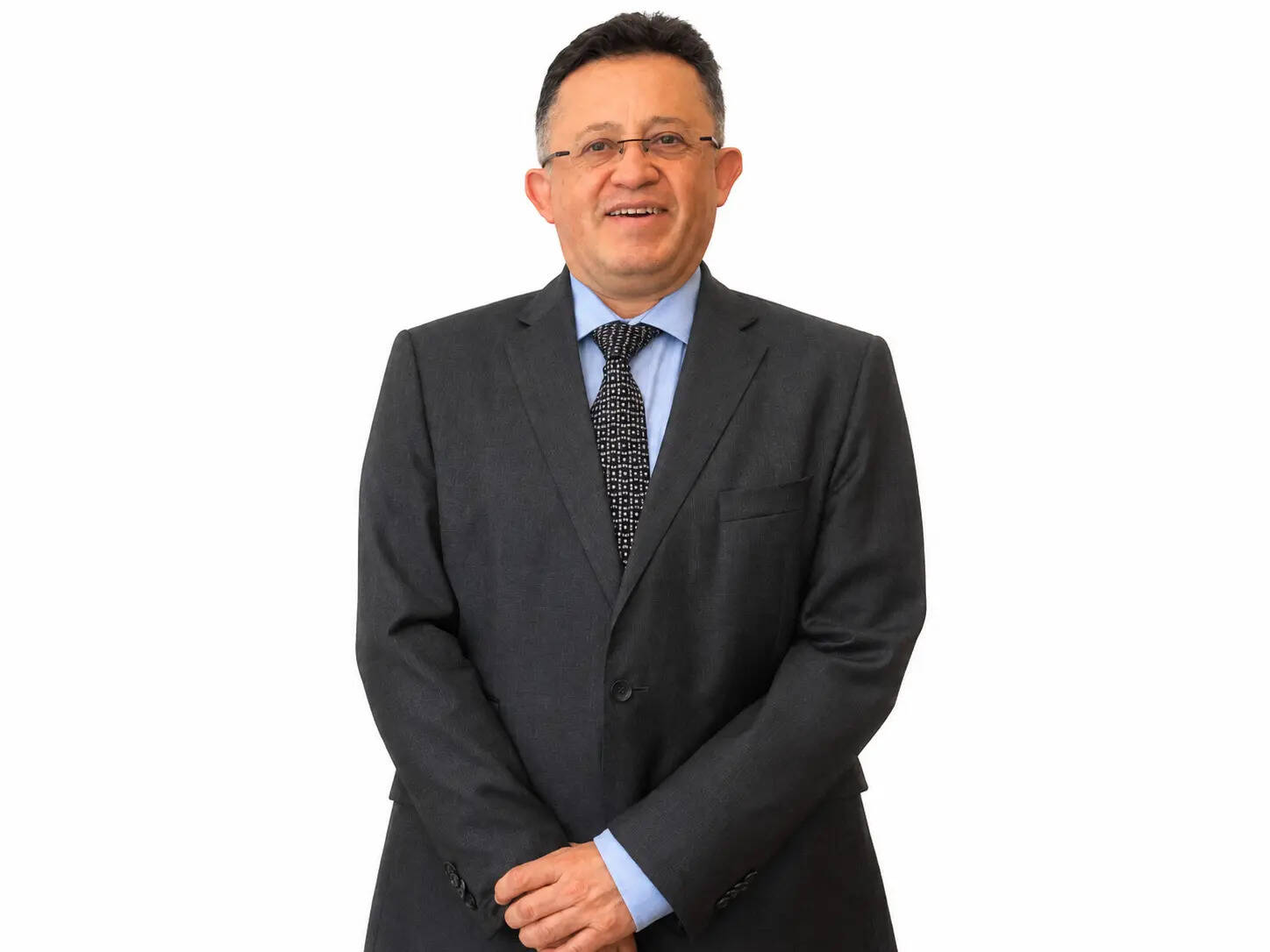
In this interview with Anoop Verma, Fernando Xavier Bucheli Vargas, Ambassador of Ecuador to India, discusses the evolving trajectory of India–Ecuador relations following the landmark visit of Ecuadorian Foreign Minister Gabriela Sommerfeld to India. He speaks about the prospects of a Preferential Trade Agreement, cooperation in critical minerals, healthcare, renewable energy, digital public infrastructure, and Ecuador’s growing alignment with India-led global initiatives such as the International Solar Alliance.
The Ambassador also reflects on the strategic significance of India’s engagement with Latin America in an increasingly multipolar world and explains why Ecuador sees India not merely as a market, but as a long-term strategic partner.
Edited excerpts:
The recent visit of Foreign Minister Gabriela Sommerfeld to India marked what both sides described as a “new chapter” in bilateral ties. From your perspective, what concrete outcomes from this visit will have the most immediate impact on the relationship?
The visit of Foreign Minister Gabriela Sommerfeld to India represents a historic turning point in our bilateral relationship. It takes place after more than 18 years since the last visit at this level and reflects the shared political will of both governments to elevate ties to a more strategic stage.
The most immediate outcome is the establishment of a renewed political momentum and institutional framework for cooperation. During the visit, both countries reaffirmed their commitment to work together in priority sectors such as health and pharmaceuticals, trade and investment, agriculture, digital transformation, renewable energy, culture, and capacity building.
A particularly important result was the signing of the Memorandum of Understanding on Quick Impact Projects (QIP), through which India will provide grant assistance for development projects in Ecuador. This instrument gives concrete visibility to India’s cooperation and demonstrates that the relationship is moving toward practical outcomes.
In addition, both countries agreed to strengthen the role of the Political Consultations and the Joint Economic and Trade Committee (JETCO) as the principal mechanisms to guide the bilateral agenda. This creates continuity and predictability for the relationship. Perhaps most importantly, the visit helped reposition Ecuador within India’s broader strategic vision toward Latin America and the Global South.
India and Ecuador are currently exploring a Preferential Trade Agreement (PTA). What are the key sectors where Ecuador sees the greatest opportunity, and what challenges remain in moving from discussions to a formal agreement?
Ecuador sees enormous opportunity in deepening economic relations with India because our economies are highly complementary. We can offer high-quality agricultural and food products such as fruits, premium cacao, seafood, flowers, teak wood, and processed foods. We are also emerging as an important producer of strategic minerals such as copper and gold.
India, meanwhile, offers world-class capabilities in pharmaceuticals, technology, renewable energy, digital services, machinery, automotive components, and industrial manufacturing. During the visit, both sides agreed that the next JETCO (Joint Economic and Trade Committee) meeting should serve as the main platform to advance discussions toward a Preferential Trade Agreement and eventually broader trade arrangements.
The main challenges are logistical connectivity, regulatory procedures, sanitary and phytosanitary standards, visa facilitation, and geographic distance. However, there is now a strong political will to move forward. From Ecuador’s perspective, India is not simply a large market — it is a strategic long-term economic partner.
Critical minerals such as copper and gold have emerged as a major area of cooperation. How does Ecuador position itself in global supply chains, and how can India–Ecuador collaboration contribute to energy transition and industrial resilience?
Critical minerals are becoming one of the defining strategic sectors of the 21st century, and Ecuador is well positioned to become an important and reliable supplier. Our country possesses significant reserves of copper and other strategic minerals essential for renewable energy technologies, electric mobility, transmission infrastructure, and industrial manufacturing.
India’s rapid industrial growth and energy transition create natural complementarities with Ecuador. We believe our cooperation can contribute to more resilient and diversified global supply chains. However, Ecuador’s approach is based on responsible and sustainable mining. We seek investment that respects environmental standards, local communities, and long-term sustainability.
We are interested not only in extraction but also in technological cooperation, geological research, value addition, and industrial partnerships. This is an area where Ecuador and India can build a genuinely strategic partnership over the next decades.
India’s pharmaceutical sector and affordable healthcare models—such as Jan Aushadhi—have drawn interest from Ecuador. Do you see scope for deeper institutional collaboration in healthcare systems and regulatory harmonisation?
Health cooperation is probably one of the most promising pillars of the relationship. India has demonstrated extraordinary global leadership in producing affordable, high-quality medicines. Ecuador recognizes the enormous value of this expertise, particularly for improving access to healthcare and reducing costs.
One of the major outcomes of the visit was the decision to establish a technical institutional mechanism in health cooperation. Both sides agreed to advance toward a Memorandum of Understanding in the health sector and to explore regulatory cooperation, including possible recognition of pharmacopoeia standards.
This could significantly facilitate access to safe and affordable medicines in Ecuador. India also expressed willingness to support Ecuador through donations of medicines and medical equipment, including treatments for hepatitis C and insulin. Beyond pharmaceuticals, Ecuador is interested in learning from India’s broader healthcare experience, including telemedicine, digital health systems, generic medicine distribution, and traditional medicine such as Ayurveda.
Ecuador has decided to join India-led initiatives like the International Solar Alliance (ISA) and the International Big Cat Alliance. How do these alignments reflect Ecuador’s broader geopolitical and climate diplomacy strategy?
These decisions reflect Ecuador’s strong commitment to sustainability, biodiversity protection, renewable energy, and South-South cooperation. Ecuador formally expressed its intention to join the International Solar Alliance and the International Big Cat Alliance, while internal procedures are completed.
This is highly consistent with Ecuador’s identity as one of the world’s most biodiverse countries and with our broader environmental diplomacy strategy. We see India as an increasingly important global actor capable of promoting practical multilateral initiatives that generate real solutions for developing countries.
These alignments also reflect Ecuador’s desire to strengthen engagement with emerging powers of the Global South in a more multipolar international system.
Digital Public Infrastructure (DPI), including platforms like Aadhaar and UPI, has attracted global attention. What elements of India’s digital governance model are most relevant for Ecuador, and how do you see cooperation evolving in areas like fintech and AI?
India’s achievements in digital public infrastructure are truly impressive and internationally recognized. Ecuador is particularly interested in India’s experience in digital payments, unique identification systems, scalable public digital services, and financial inclusion.
During the visit, India offered technical cooperation in digital public infrastructure, including digital payments systems, public service platforms, and identification technologies. For Ecuador, this is extremely relevant because digital transformation is one of the priorities of our modernization agenda.
We also see significant opportunities in artificial intelligence, fintech, cybersecurity, innovation ecosystems, and digital governance. The objective is not simply to import models, but to adapt successful experiences to Ecuador’s own realities and institutional needs.
India–Latin America engagement is gaining strategic importance amid global supply chain diversification. How does Ecuador view India’s role in the region, especially in the context of “Global South” cooperation and multipolar geopolitics?
Ecuador views India as an increasingly influential and constructive actor in Latin America and the broader Global South. India brings a pragmatic and respectful approach to international relations, focused on development, capacity building, technology, and mutually beneficial partnerships.
In the current global environment — characterized by geopolitical tensions, fragmented supply chains, and economic uncertainty — diversification is essential. Latin America and India have enormous potential to cooperate in food security, energy, critical minerals, pharmaceuticals, technology, and infrastructure.
Ecuador, with its dollarized economy, Pacific location, and openness to investment, can become an important platform for Indian companies seeking greater presence in the region. The relationship between India and Latin America is no longer peripheral — it is becoming increasingly strategic.
High-level exchanges between India and Ecuador have increased in recent years. Do you foresee a roadmap for more structured political engagement, such as regular ministerial dialogues or even a potential visit at the level of Head of Government?
One of the clearest messages of the Foreign Minister’s visit is that both countries want to institutionalize political dialogue and create long-term mechanisms for engagement. The VI Political Consultations and JETCO provide important institutional frameworks, but we also expect more frequent ministerial exchanges, technical meetings, and high-level visits. India’s decision to open an Embassy in Quito was itself a very important strategic signal.
Ecuador hopes that the renewed momentum generated by this visit will eventually lead to exchanges at the highest political level, including future visits by Heads of Government or Heads of State. The important thing is that the relationship now has political momentum, strategic content, and concrete deliverables.
With global geopolitical tensions affecting trade routes and energy markets, how can India and Ecuador collaborate to build more resilient and diversified economic partnerships?
The international environment clearly demonstrates the importance of diversification and strategic reliability. In the energy sector, Ecuador has already started supplying crude oil to India in the context of global energy market reconfiguration. Ecuador can position itself as a reliable and competitive energy supplier for India.
But resilience goes far beyond energy. Ecuador and India can collaborate in pharmaceuticals, food security, digital infrastructure, renewable energy, strategic minerals, logistics, and industrial supply chains. Both countries understand the importance of reducing vulnerabilities and creating diversified partnerships based on trust and predictability. In many ways, Ecuador and India are natural partners in a changing global economy.
Beyond trade and economics, what role do you see for cultural diplomacy, education, and people-to-people exchanges in strengthening long-term ties between India and Ecuador?
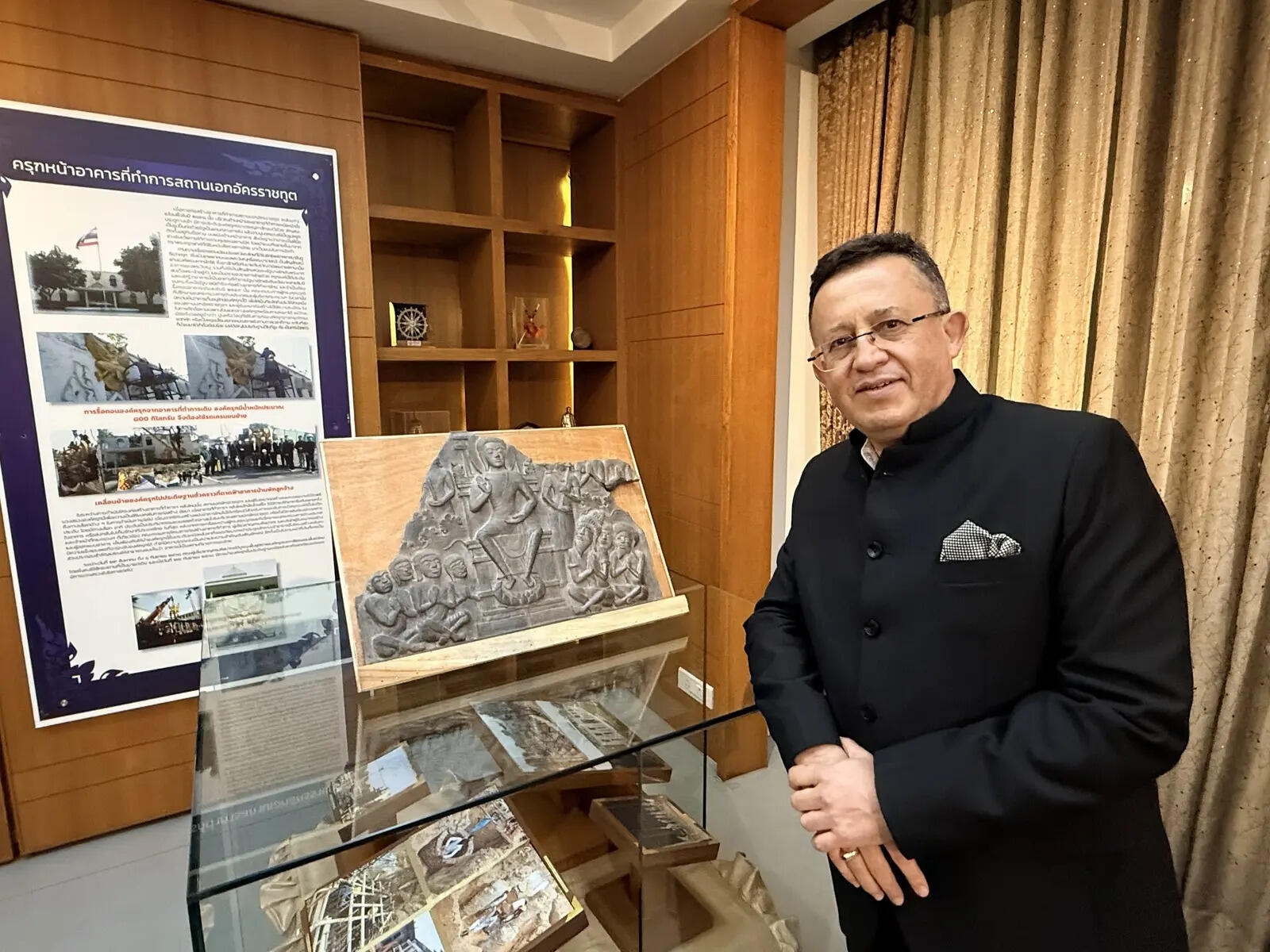
Political and economic relations become sustainable only when there is genuine human connection between societies. One of the most symbolic moments of the visit was the inauguration of the Ecuador Cultural Center in the Embassy of Ecuador in India by Foreign Minister Gabriela Sommerfeld. This initiative seeks to strengthen mutual understanding and increase Ecuador’s cultural presence in India.
Our Embassy has actively promoted cultural diplomacy through exhibitions, film festivals, academic activities, and initiatives such as “Ecuador: Origin of Cacao,” which highlights Ecuador’s historical connection to cacao civilization. Education and capacity building are equally important. Ecuador deeply values India’s ITEC scholarship program, which has contributed significantly to professional training and institutional strengthening.
People-to-people exchanges, tourism, education, business mobility, and cultural cooperation create the foundation for long-term strategic relations. Ultimately, diplomacy is not only about governments — it is about building lasting bridges between peoples and civilizations.