As the world prepares to observe the International Day of Yoga on June 21, the Government of India is intensifying efforts to transform Yoga from an annual celebration into a sustained global movement rooted in preventive healthcare, wellness, and holistic living.
Under the leadership of Prime Minister Modi, Yoga has evolved into one of India’s most influential cultural exports, gaining recognition across continents as a means of physical, mental and spiritual well-being.
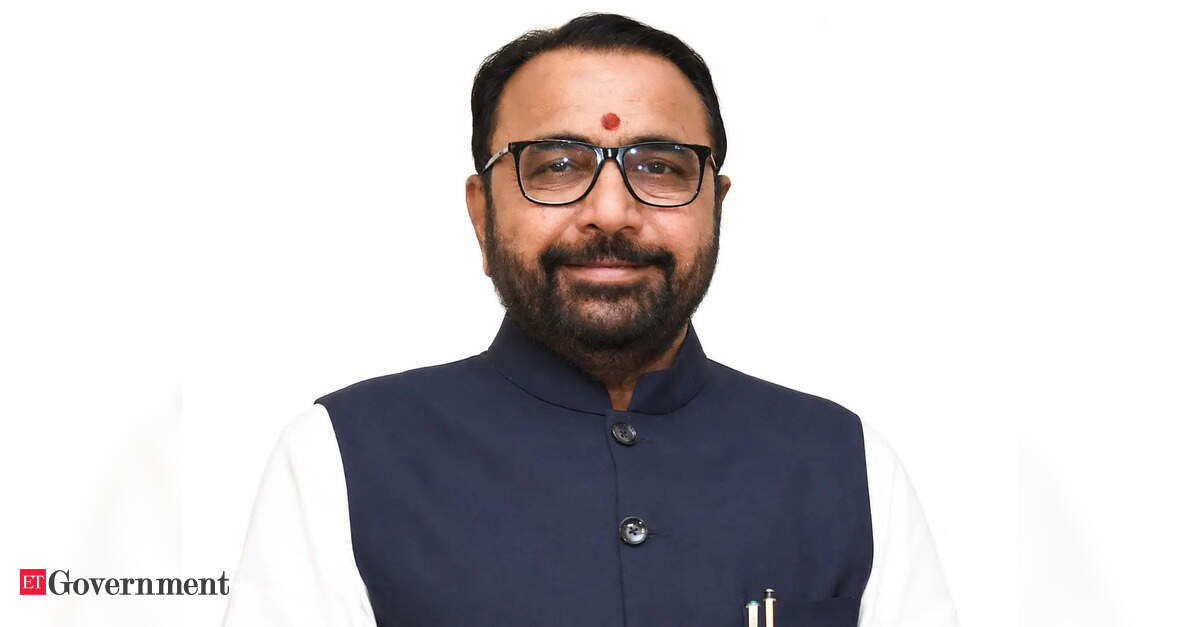
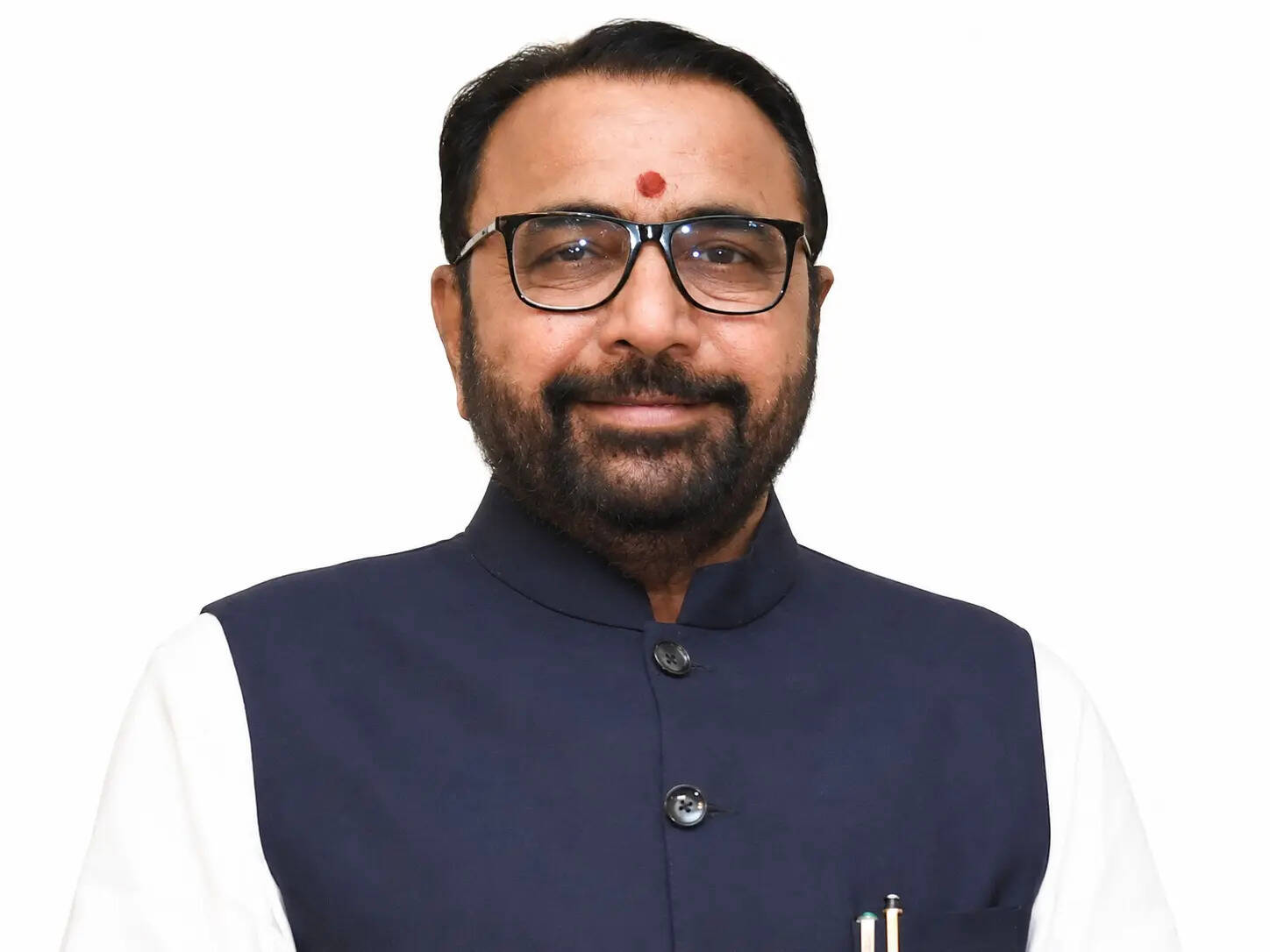
In this conversation with Anoop Verma, Prataprao Ganpatrao Jadhav, Union Minister of State (Independent Charge) for the Ministry of Ayush and Minister of State for Health & Family Welfare, speaks about the preparations for International Day of Yoga (IDY) 2026, the expanding global demand for Yoga instructors, the government’s “Yoga 365” vision, and the larger role of Ayush systems in building a healthier and more productive India.
He also reflects on how Yoga and traditional Indian knowledge systems are becoming central to India’s long-term vision of Viksit Bharat 2047.
Edited excerpts:
The International Day of Yoga 2026 is approaching. What are the Ministry’s priorities and expectations this year?
Last year, the International Day of Yoga was celebrated on a very large scale across India and globally. Building on that momentum, preparations for IDY 2026 have already begun in full swing. We have initiated a 100-day countdown programme, under which Yoga-related activities are being organised in hundreds of cities and institutions across the country.
The Ministry of Ayush, along with the Morarji Desai National Institute of Yoga, has also planned major events in different regions of India to ensure wider national participation. Several awareness and outreach programmes are already underway. An Inter-Ministerial Committee meeting has also been held, where senior officials from multiple ministries participated and discussed how their respective departments can contribute to the success of IDY 2026.
The overall objective remains clear: to make Yoga a mass movement that reaches every section of society and every corner of the country.
How will IDY 2026 build upon the success of previous editions?
Every year, the scale of participation has increased significantly. Last year alone, nearly 300 million people participated in Yoga-related activities globally. This year, our effort is to surpass that number and deepen engagement further.
We are adopting a whole-of-government and whole-of-society approach. Schools, colleges, Panchayati Raj institutions, healthcare organisations, women’s groups, youth organisations and workplaces are all being mobilised. Special emphasis is also being placed on reaching remote and underserved areas.
The Ministry is also leveraging digital platforms to encourage broader participation. At the international level, Indian embassies and diplomatic missions are coordinating Yoga events across multiple countries to further strengthen Yoga’s global footprint.
You have repeatedly spoken about “Yoga 365.” What does that concept mean?
“Yoga 365” means that Yoga should not remain limited to a single day of observance on June 21. It should become a regular part of daily life throughout the year. Prime Minister Narendra Modi has often said that every household should embrace both Yoga and Ayurveda. We are trying to operationalise this vision by encouraging institutions, schools, offices and communities to integrate Yoga into their everyday routines.
Today, even in small towns and villages, people are organising Yoga classes independently. Many women are conducting Yoga sessions in their homes or community halls, and local participation is increasing steadily. This shows that Yoga is no longer confined to urban centres or elite spaces. It is becoming part of ordinary Indian life.
How important is international participation in IDY 2026?
Global participation is extremely important because Yoga today belongs to the entire world, even though its roots are in India’s ancient civilisation.
There is growing international demand for Yoga instructors, Yoga teachers and Yoga experts from India. Many countries and institutions are requesting trained Yoga professionals to help establish Yoga education and wellness programmes. This demonstrates the global acceptance and credibility that Yoga has achieved.
Our embassies and missions abroad are actively coordinating with local governments, institutions and the Indian diaspora to organise Yoga events internationally. This diplomatic and cultural outreach is playing a major role in strengthening India’s soft power globally.
What role does the Common Yoga Protocol play in these celebrations?
The Common Yoga Protocol is central to International Day of Yoga celebrations because it provides a standardised and accessible format of Yoga practices that people of all age groups can perform. It allows millions of people across countries to participate simultaneously in a unified manner. That collective participation symbolises harmony, discipline and global solidarity through Yoga. The Protocol also ensures that Yoga practices remain structured, safe and accessible for beginners as well as experienced practitioners.
You have linked Yoga with broader lifestyle and health concerns. Why is this becoming increasingly important?
Today, India and the world are witnessing a sharp rise in lifestyle diseases such as obesity, diabetes, hypertension and stress-related disorders. One major reason is the deterioration of our daily routines and eating habits. People are increasingly consuming junk food, sleeping late, spending excessive time on mobile phones and televisions, and neglecting physical activity. Children and even people in rural areas are increasingly trapped in unhealthy digital habits. This is affecting both physical and mental health.
That is why the Ministry is promoting not only Yoga, but also healthier food practices through initiatives like “Ayush Aahar.” We are encouraging people to reduce excessive sugar, oil and salt consumption. Prime Minister Modi himself highlighted this issue during Mann Ki Baat, urging citizens to improve their dietary habits. Yoga, combined with disciplined living and balanced nutrition, can play a transformative role in preventive healthcare. Yoga is beneficial before illness, during illness and even after recovery. It strengthens both body and mind.
How do you see Yoga contributing to the vision of Viksit Bharat 2047?
Prime Minister Narendra Modi has presented a very long-term vision for India’s development. Earlier, governments often focused only on short-term political cycles. Sometimes even development schemes changed when leadership changed. That affected continuity and long-term national progress.
Today, the Prime Minister is planning not only for 2030 but also for 2047, when India will complete 100 years of Independence. All ministries are regularly reviewed and encouraged to align their work with this long-term national vision. Yoga and Ayush systems have an important role in this journey because a healthy nation is essential for becoming a developed nation.
Yoga is not a modern invention. It is a gift from India’s ancient sages and seers who developed these systems thousands of years ago through deep observation and spiritual discipline. Even without modern scientific tools, they understood the connection between body, mind and well-being in a remarkably scientific manner.
Unfortunately, for many decades, India’s traditional knowledge systems did not receive institutional support. Before Prime Minister Modi created a dedicated Ministry of Ayush, these systems received limited policy attention. Today Yoga and Ayurveda are receiving global recognition, and the world is increasingly acknowledging the value of India’s traditional wellness systems. This is not only beneficial for India. It is beneficial for the entire world.