As Aatmanirbharta takes the centre stage, especially amidst global uncertainties and disrupted supply chains, India eyes its PSUs to strengthen its economic output. India’s logistics sector is emerging as a critical enabler in this transformation, driving efficiency, connectivity, and resilience across industries.
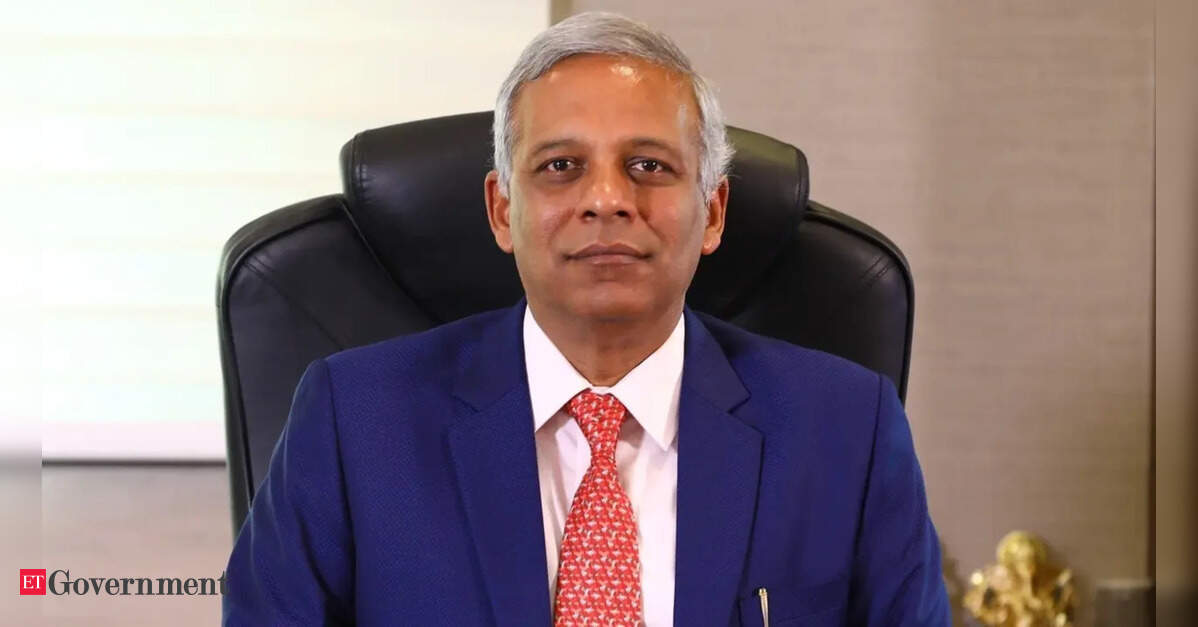
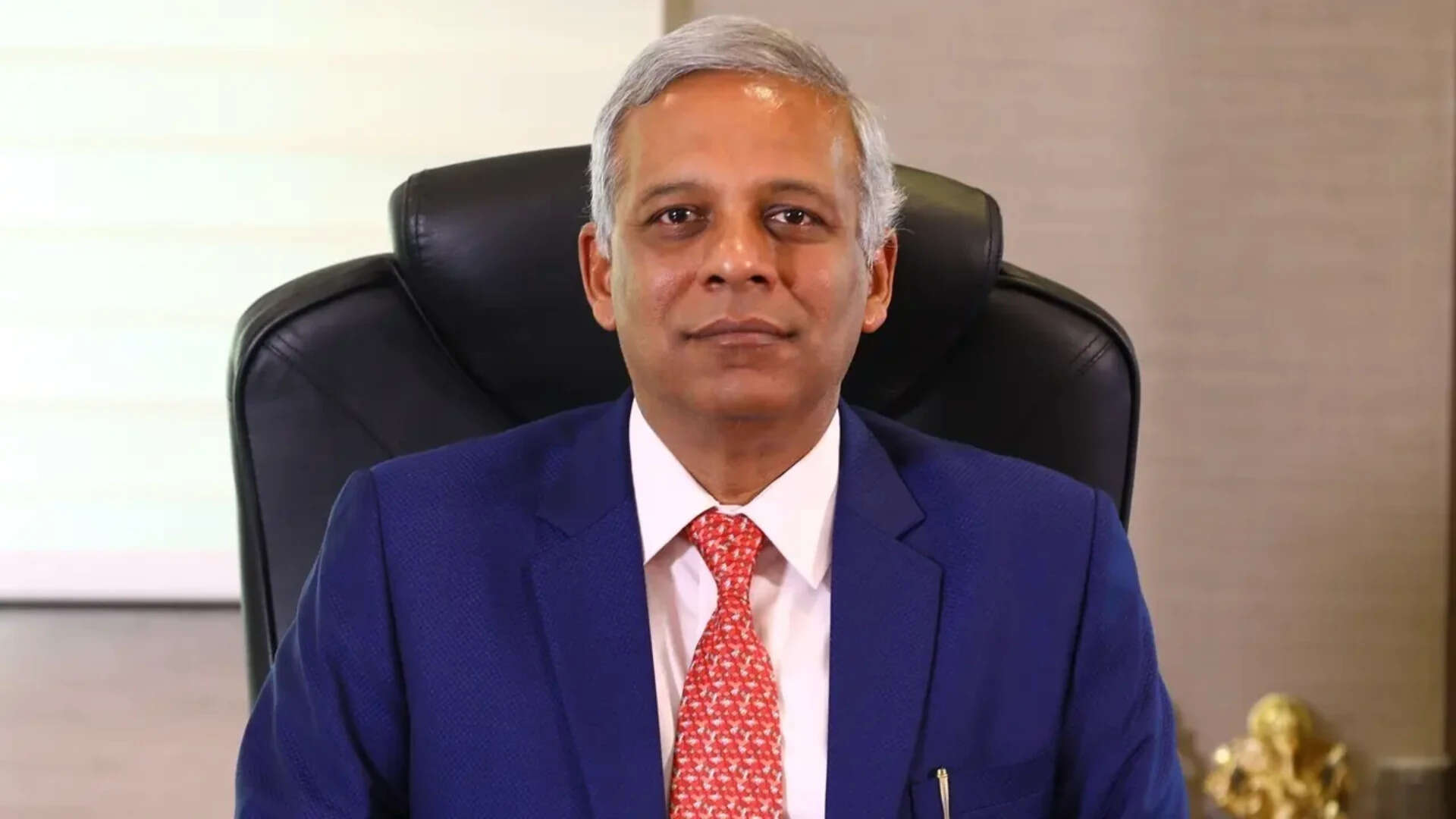
Sharing his insights, Sanjay Swarup, Chairman and Managing Director, Container Corporation of India, opens up on CONCOR’s contributions to the Viksit Bharat vision and driving the transformation of the country’s multi-modal freight ecosystem.
India’s logistics sector is undergoing a major transformation driven by PM Gati Shakti and the National Logistics Policy. How do you see CONCOR contributing to this transformation and strengthening India’s multi-modal freight ecosystem?
The Container Corporation of India (CONCOR) was established in 1988 with only seven inland container depots (ICDs) taken over from Indian Railways. Since then, CONCOR has been contributing significantly to the strengthening of the country’s logistics ecosystem. Over the years, CONCOR expanded its container terminal network to 68 terminals across India, of which 16 terminals are categorised as Multi-modal Logistics Parks (MMLPs). Four of these MMLPs are on the dedicated freight corridor.
Moreover, we have acquired more than 58,000 containers and 430 container trains so far. This robust infrastructure is helping transform not only the multi-modal freight ecosystem but also giving a strong fillip to the Make in India initiative of the Government of India, as all of our rolling stock is manufactured in India. We have procured over 22,000 indigenously manufactured containers in the last three years.
As one of India’s leading logistics and container transport PSUs, what strategic priorities is CONCOR focusing on to improve efficiency, reduce turnaround time, and optimise freight movement across the country?
Over the years, CONCOR has followed a multi-pronged approach to introduce efficiencies in the overall supply chain. We are focusing on reducing the turnaround time of handling container trains at our terminals by providing the necessary infrastructure upgrade. Close coordination is maintained with all stakeholders to monitor dwell time and en-route transit time. Some of our trains are operated under the Indian Railways’ Assured Transit Time scheme. We are also attentive to the need to set up terminals along the route of the dedicated freight corridor so that more traffic volumes can be carried on the dedicated path.
Cutting down logistics costs is crucial for enhancing India’s global manufacturing and export competitiveness. How can rail-led logistics and multi-modal connectivity help achieve the objective?
We have observed that, generally, rail transportation offers significant benefits that help in reducing costs and ensuring safety as compared to other modes on long-haul routes. In addition, the creation of MMLPs alongside the dedicated freight corridor provides more benefits than the rail transit, as more traffic volumes can be moved through Double Stack trains. Considering these aspects, CONCOR has been consciously setting up MMLPs on the dedicated freight corridor.
Technology is rapidly reshaping the logistics sector globally. Could you share some key digital and technology-driven initiatives undertaken by CONCOR to modernise operations and improve customer experience?
CONCOR continues to accelerate its digital transformation journey by placing technology and innovation at the core of its operational strategy to enhance efficiency and customer experience. Building on its three-decade-long technology-driven journey, the company has further strengthened its technology ecosystem through a range of advanced initiatives leveraging Artificial Intelligence (AI), automation, and digital platforms across its operations.
CONCOR has taken initiatives that include e-booking and e-forwarding systems integrated with Customs, AI-based Container Terminal Management Systems (CTMS) for enhanced terminal automation, and online shipping platforms enabling digital Bill of Lading generation and related services.
CONCOR launched an AI-based Container Terminal Management System (CTMS) at ICD-Tughlakabad, representing a significant step toward full terminal automation. The system has enabled end-to-end automation of gate operations, rake movement, warehousing, and yard processes, featuring real-time container monitoring, faster gate-side processing, enhanced warehouse visibility, operational analytics dashboards, and greater transparency through digitally enabled transactions.
To improve operational visibility and decision-making, CONCOR has also implemented a Geospatial Rake Management System integrating GPS tracking with AI-powered analytics for real-time monitoring, forecasting, and operational insights. CONCOR is also deploying advanced AI and data analytics models to forecast freight demand, optimise train loading, and streamline scheduling processes, enhancing operational efficiency and enabling faster, data-driven business decisions. Through continuous use of historical and real-time operational intelligence, CONCOR is strengthening its ability to respond swiftly to market dynamics while improving productivity and network reliability.
Additionally, CONCOR is developing an AI-driven Customer Relationship Management (CRM) system to enhance customer engagement and business intelligence capabilities. Digital solutions for First Mile Last Mile (FMLM) transportation through mobile applications, along with data analytics-driven incentive mechanisms and online billing systems, further reinforce CONCOR’s commitment to delivering smarter, seamless, and customer-centric logistics services.
Sustainability is becoming central to the future of logistics. How is CONCOR integrating green logistics practices and supporting India’s larger environmental and net-zero goals?
In a strong move to net-zero goals and sustainable development, around 95% of our cargo moves by rail, a more environmentally friendly mode of transport compared to roads. As we provide end-to-end service to customers, with first/last mile connectivity, we have acquired 230 LNG-powered trailers across India and set up an in-house LNG fuel station at one of our mega MMLPs.
In addition, we have acquired five Electric Reach Stackers, used for handling containers, and two EVs on a trial basis. Further, extensive use of solar power and adoption of renewable energy are under consideration.
PSUs are expected to play a catalytic role in India’s infrastructure-led growth story. How do you see the role of PSUs like CONCOR evolving in the Viksit Bharat journey?
PSUs like CONCOR are contributing immensely to India’s Viksit Bharat journey through our infrastructure expertise. CONCOR has already created a robust terminal network across India.
CAPEX plans have already been drawn for this year, as well as for the next few years. We are adding rolling stock, expanding our range of services to overseas markets, and investing considerably in IT infrastructure. Further, CONCOR has signed an MoU for the formation of Bharat Container Shipping Line (BCSL), India’s first national shipping line for overseas container trade, mandated to provide end-to-end logistics services to the customers. CONCOR is slated to play a key role in this venture.
Looking ahead to 2047, what is your long-term vision for CONCOR and for India’s logistics sector in terms of innovation, connectivity, efficiency, and global competitiveness?
In the long term, CONCOR must remain aligned with the fast-changing logistics landscape and adoption of cutting-edge technological solutions to provide best-in-class service to customers. Creation of more MMLPs, particularly on dedicated freight corridors, and creating a strong footprint in overseas markets, especially through shipping services and collaboration with key stakeholders, are some key measures that CONCOR must adopt to remain on a strong growth trajectory.