
 “>
“>As countries accelerate their shift towards cleaner energy systems, the debate on sustainability is increasingly linked with energy security, industrial growth and technological competitiveness.
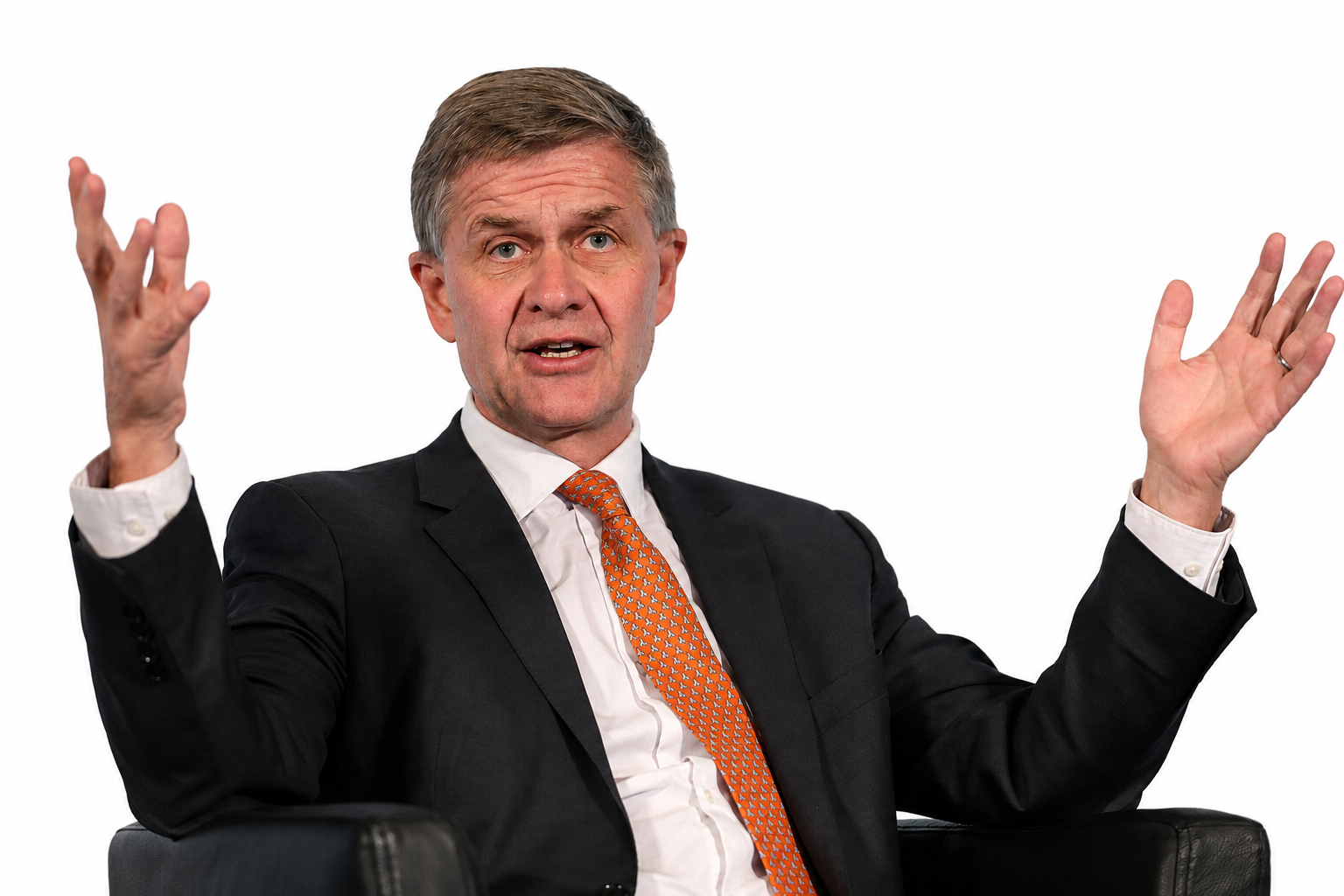
Erik Solheim, former Minister of International Development and Minister of the Environment in Norway, and former Under-Secretary-General of the United Nations and Executive Director of the United Nations Environment Programme (UNEP), has worked extensively on issues related to climate action, renewable energy and sustainable development.
In this conversation with Anoop Verma, Solheim discusses India’s progress in renewable energy, the role of solar and wind power in developing economies, the future of electric mobility, climate finance, nuclear energy, artificial intelligence and China’s dominance in clean energy manufacturing. He argues that the countries which treat sustainability as an economic opportunity, rather than a constraint, will be better placed to create jobs, strengthen energy security and sustain long-term growth.
Edited excerpts:
How do you assess India’s progress in solar, wind and renewable energy deployment? What lessons can other developing countries learn from India’s experience?
India’s progress has been enormous. There is absolutely no doubt about that. India is now the third-largest renewable energy power in the world, after China and the United States, and it is the second-largest solar market in the world, after China. This has happened in just a few years, so it is an amazingly positive development.
The lessons for other countries are quite simple. Political leadership matters. The leadership from Prime Minister Narendra Modi has been essential. But it is also important that none of the major opposition parties oppose this agenda. There is national ownership of the green transition in India. The second lesson is the need to cut bureaucracy and make the system efficient. You will always need permits to set up solar farms or wind farms, but the process must be fast and not too bureaucratic.
The third factor is a dynamic business sector. Companies like Adani have embraced the green agenda, and there are many strong mid-sized companies such as ReNew and Greenko moving ahead. So, the combination of strong political leadership, reduced bureaucracy and an active business sector is the key to India’s success.
Norway is regarded as a global leader in sustainability, electric mobility and clean energy. What are the most important lessons India can learn from Norway?
When it comes to solar energy, India is far ahead of Norway. But one area where Norway leads is electric mobility. About 97 percent of all new cars sold in Norway are electric, which is the highest share in the world.
But this is not something only rich countries can do. Nepal is number two, with around 80 percent of new cars being electric. So, this can happen in developed countries like Norway and also in developing countries like Nepal. In Norway, this happened because the government changed the tax system. Electric cars became relatively cheaper compared to petrol and diesel cars. The government also gave benefits to electric car owners, such as easier access to parking and lower charges for tunnels and ferries.
In the beginning, the government also helped set up charging stations. Now the market is doing it. Shopping centres, petrol stations and parking areas are putting up chargers because they see a business opportunity. They may not make much money from selling electricity, but they earn from selling food, drinks and other products to people while their cars are charging.
India has ambitious renewable energy targets while also pursuing rapid economic growth. How can developing economies balance growth, energy security and climate commitments?
I think this is very much a question of the past. Until recently, going green was seen as a cost. Every nation prioritised economic growth, and economic growth was mostly based on fossil fuels. This happened in Europe, the United States, Japan, China and everywhere else.
But now the economics have changed. Switching from fossil fuels to solar is no longer a cost. Solar has become so affordable that developing nations can go green and save money at the same time. It also strengthens energy security. The sun, the wind and the big rivers are in India. But oil is imported. It comes through the Strait of Hormuz and through volatile international oil markets. Every time India replaces one drop of imported oil with renewable energy, it becomes more energy secure.
So, India can pursue climate commitments and development goals together. In the past, there was seen to be a choice between economy and ecology. That choice no longer exists. You can go green and become prosperous at the same time. That is also the message Prime Minister Modi has given repeatedly: you can lift people out of poverty, create jobs and build prosperity by going green.
Solar and wind power are becoming more affordable, but storage, grid stability and transmission remain major challenges. What technologies or policy interventions will be critical in addressing these bottlenecks?
Let me give two examples from India that I have seen recently.
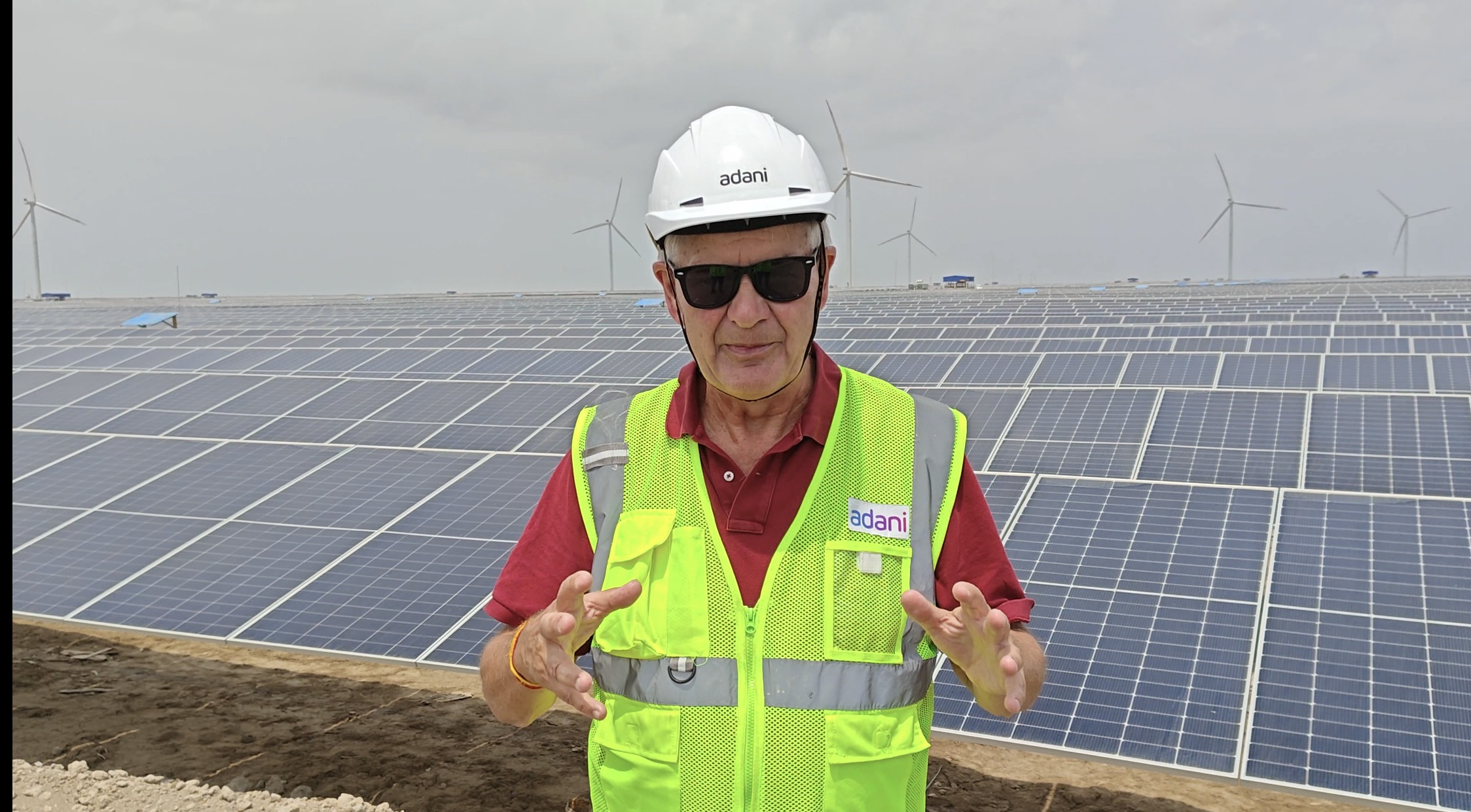
In Khavda, Gujarat, Adani is building what is currently one of the largest battery systems for solar energy outside China. It is expected to become one of the largest in the world. Battery storage is crucial because solar power comes during the day, but energy demand often peaks in the evening. Through battery storage, solar energy can be supplied at the right time.
They are trying to build a 24-hour renewable energy system, where solar and battery power together can provide reliable energy throughout the day and night. The scale is enormous. It is a 30 GW project, which is bigger than the entire power grid of many countries.
Another example is in Andhra Pradesh, where Greenko has developed one of the world’s largest integrated solar, wind and pumped hydro storage projects. During the day, solar energy is used to pump water from a lower reservoir to a higher reservoir. At night, when there is no sun, the water is released to generate electricity. It is essentially a giant water battery.
So, battery storage and pumped hydro storage are both very important. Along with this, India must continue to develop the grid so that renewable power can move easily across regions and into the national system.
Do you see nuclear energy as an essential component of the clean energy transition, or should countries focus primarily on renewable energy and storage technologies?
Nuclear energy will remain one part of the global energy mix, but I see solar as the main source of energy in the future.
The challenge with nuclear today is that it is significantly more expensive than renewable energy, especially solar and wind. Another limitation is that nuclear power plants cannot easily operate as flexible backup systems. Hydropower, for example, works like a battery—you can turn it on when there is no sun and reduce generation when solar production is high. Nuclear plants are not designed to operate that way.
Countries such as India, China, the United States and several European nations will continue to maintain nuclear energy as part of their overall energy strategy, but I don’t see it becoming the dominant source of power. Solar will increasingly take that position.
Do you believe nuclear energy remains risky despite advances in technology?
There have been major improvements in nuclear technology and safety over the years. But people still remember accidents like Chernobyl and Three Mile Island, which changed public perception of nuclear power for decades.
Every nuclear power plant must be built and operated with the highest possible safety standards. That inevitably makes nuclear projects more expensive because you cannot compromise on safety. Security must remain under strict government oversight, and projects should be executed by highly qualified companies with proven expertise.
So yes, nuclear has a role, but it has to meet extremely high standards of safety and governance.
The European Union has introduced ambitious climate policies, including the Green Deal and the Carbon Border Adjustment Mechanism (CBAM). How do you assess Europe’s progress on climate action, and what implications do these policies have for countries like India?
Ten years ago, Europe was unquestionably the global leader on climate action. It was setting the pace for the rest of the world. Today, however, China and India are moving much faster in implementing green technologies. We are also seeing impressive progress in countries such as Indonesia and Vietnam.
One reason is political leadership. Many European countries have experienced frequent changes in government, making it difficult to pursue long-term strategies. If political leaders are constantly focused on political survival, it becomes much harder to implement transformational policies.
That said, Europe still has tremendous strengths. It has advanced technology, sophisticated environmental regulations and the world’s most mature carbon market. Those are valuable experiences that countries like India can certainly learn from. So Europe remains an important leader in many respects, but the centre of gravity in the global green transition is increasingly shifting towards Asia.
Despite global climate commitments and rapid growth in renewable energy, greenhouse gas emissions continue to rise. What are the biggest obstacles preventing faster progress?
The biggest obstacle is that many people are still trapped in the old mindset that economic growth and environmental protection are in conflict. Countries like China and India increasingly see the green transition as an economic opportunity rather than an environmental burden. That mindset makes an enormous difference.
Just yesterday I was in Himachal Pradesh, where innovative programmes are helping farmers earn additional income through tree plantation and carbon credits. The state is also finding productive uses for pine needles, which traditionally have contributed to devastating forest fires. Instead of treating them as waste, they are being converted into biochar, creating both environmental and economic value.
That is exactly the kind of thinking we need—turning environmental challenges into economic opportunities.
Climate finance remains a major concern for developing countries. Are developed nations doing enough to support the Global South? What reforms are needed?
No, I do not believe developed countries are doing enough. Historically, countries such as the United States and those in Europe have contributed far more to greenhouse gas emissions than countries like India. From a fairness perspective, they should contribute much more towards financing the energy transition in developing nations.
But I also think developing countries cannot afford to wait for that support. Countries such as India, China and Vietnam have shown that climate action can become a driver of economic growth, industrial development and employment. That is a far more successful approach than waiting for financial assistance that may never arrive.
Of course, it would be fair if developed countries provided significantly more funding. But whether or not they do, developing countries should seize the opportunity to build stronger economies through clean energy.
Artificial intelligence, advanced analytics and digital technologies are increasingly being used in energy management and environmental protection. How do you see technology shaping the future of climate action?
Artificial intelligence will undoubtedly be one of the most transformative technologies of our time. Its impact will be enormous—probably much greater than we can fully imagine today, just as people could never have predicted the full impact of the internet decades ago.
In the energy sector, AI’s greatest contribution will be efficiency. It can continuously optimise electricity systems, ensuring that the cleanest and cheapest energy source is used every second of the day. It can integrate renewable energy, battery storage and electricity markets much more efficiently than traditional systems. AI will also help reduce energy losses across transmission networks and improve the overall efficiency of power systems.
Of course, AI itself requires enormous amounts of electricity. Data centres are becoming major consumers of energy. But if that electricity increasingly comes from renewable sources, then AI will actually become another driver of investment in clean energy. Overall, I remain optimistic because AI creates far more opportunities than challenges for the energy transition.
China dominates the manufacturing of solar panels and batteries. Doesn’t this create a new strategic dependence for countries investing in renewable energy?
China deserves credit for doing exactly what the rest of the world wanted to achieve—building renewable energy manufacturing at an extraordinary scale.
Today, China produces the overwhelming majority of the world’s solar panels and a very large share of battery systems. Instead of criticising China for that achievement, we should recognise what it has accomplished. For countries like India, the objective should be different. India rightly wants to manufacture more of these technologies domestically under the Make in India initiative. That creates jobs, strengthens industrial capacity and improves supply-chain resilience.
The way forward is through partnerships and joint ventures. India can work with global companies, including Chinese firms where appropriate, to access technology while simultaneously building manufacturing capabilities at home. It’s also important to remember that manufacturing the solar panel itself is only one part of the value chain. A great deal of employment comes from installation, engineering, maintenance and local adaptation—activities that must happen within India.
So, while China will remain an important supplier, India has every opportunity to develop a strong domestic renewable energy industry alongside it.
Looking ahead to 2035 and beyond, what gives you the greatest optimism about the global fight against climate change? Where do governments, businesses and citizens need to act most urgently?
What gives me optimism is that the green transition is no longer being driven only by governments or diplomats. Increasingly, it is being driven by business. Business leaders now recognise that going green is good business. Clean energy creates jobs, drives innovation, strengthens competitiveness and generates economic prosperity. At the same time, it helps protect the environment. That combination is incredibly powerful.
I believe we have already crossed the point of no return. There is no doubt in my mind that the vehicles of the future—whether cars, buses, scooters or three-wheelers—will increasingly be electric. Likewise, the energy systems of the future will be dominated by solar power, supported by wind, hydropower, batteries and other storage technologies.
The transition is happening much faster than most people imagined just a few years ago. Technology is advancing rapidly, costs continue to fall, and more countries are recognising that clean energy is not just an environmental necessity but an economic opportunity. The priority now is to accelerate deployment, continue investing in innovation and ensure that the benefits of the green transition reach everyone.