As Uttar Pradesh scales up investments in industrial corridors, logistics networks, airports and urban infrastructure, financing this transformation has become as critical as execution.
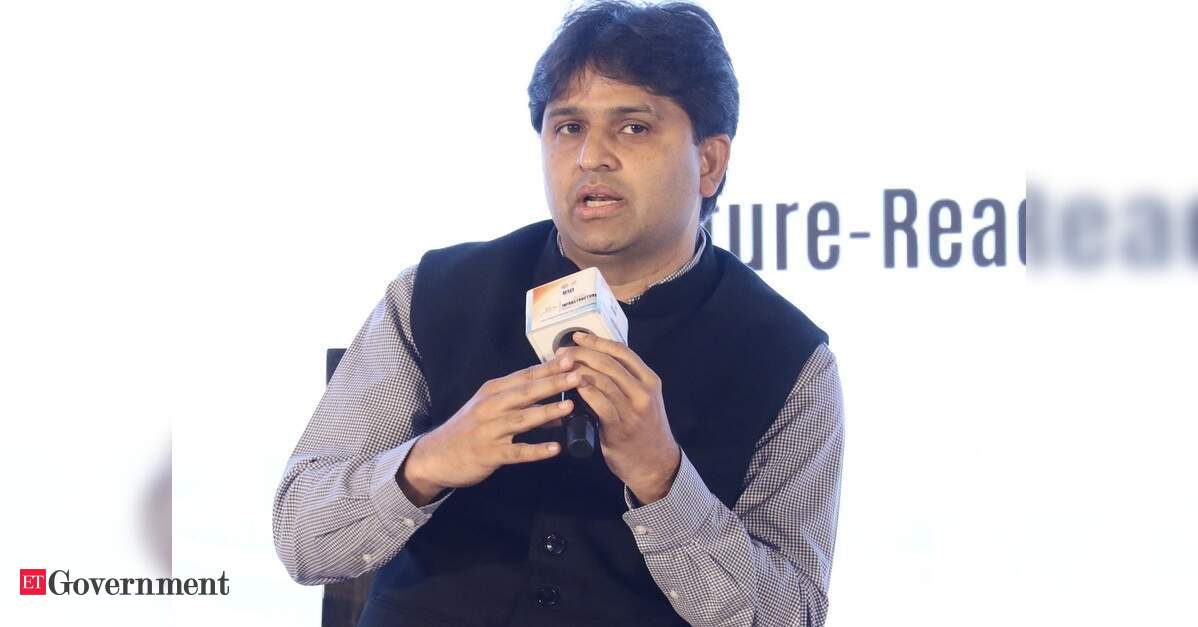
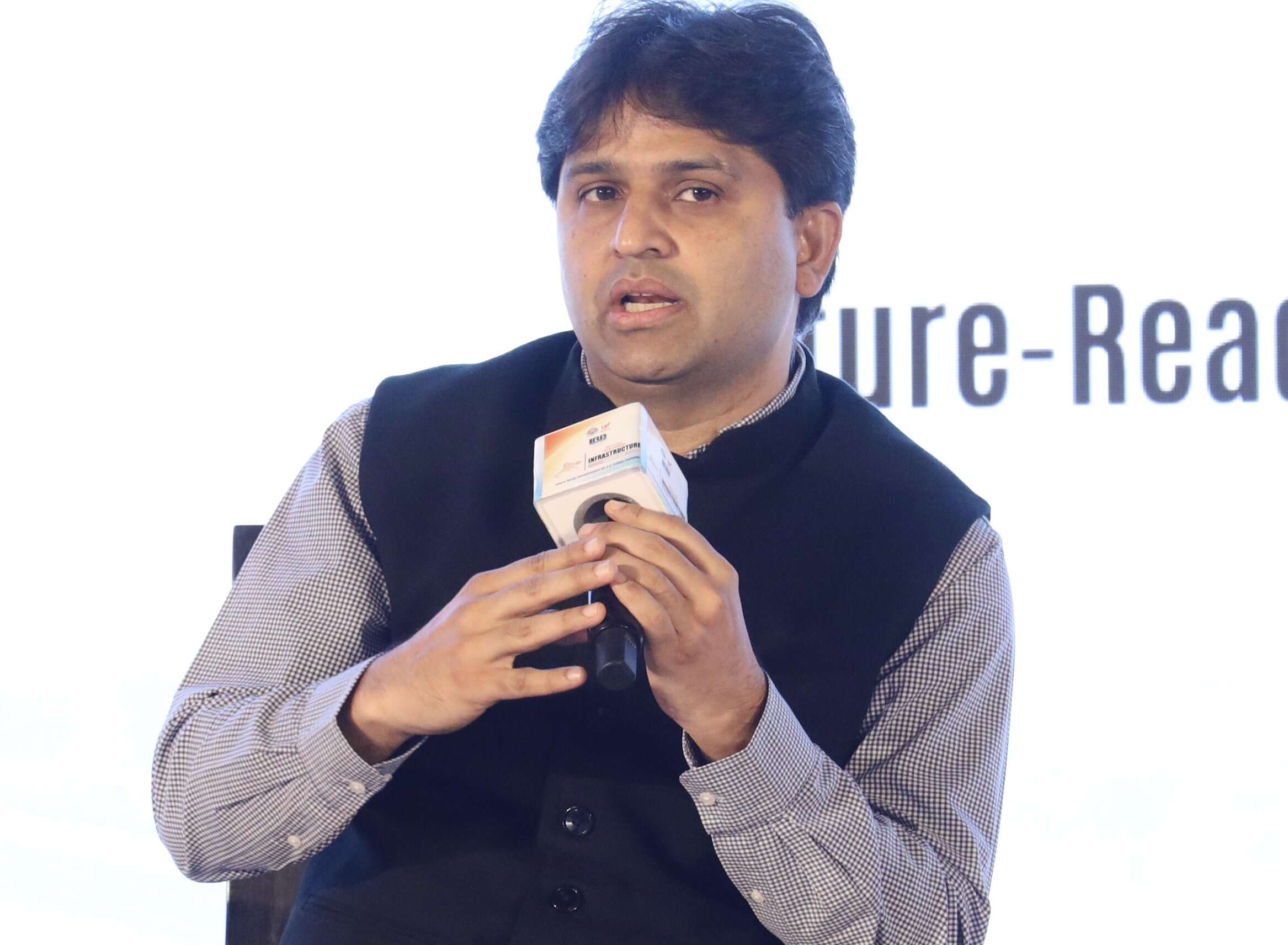
In this conversation with ETGovernment, Vijay Kiran Anand, Chief Executive Officer, Invest UP & UPSIDA, and Secretary, Infrastructure & Industrial Development Department, Government of Uttar Pradesh, outlines how India’s most populous state is creating an investment ecosystem that combines policy certainty, world-class infrastructure and institutional execution.
He further discusses financing infrastructure through public and private capital, strengthening investor confidence, and positioning Uttar Pradesh as a national model for infrastructure monetisation.
Edited excerpts:
How is the state creating an investment ecosystem that inspires confidence among domestic and global investors?
Uttar Pradesh is building a high-confidence investment ecosystem anchored in policy stability, institutional efficiency and execution at scale.
The first pillar is regulatory certainty. Through sector-specific policies, the Nivesh Mitra 3.0 single-window platform and the Single Window Act, the state has significantly reduced approval timelines and compliance burdens. This is complemented by Nivesh Sarathi, which provides end-to-end investor facilitation, relationship management and time-bound resolution of issues throughout the investment lifecycle.
The second pillar is world-class infrastructure. Investments in expressways, industrial corridors, logistics parks, Integrated Manufacturing and Logistics Clusters (IMLCs), multimodal connectivity and airports including the upcoming Noida International Airport at Jewar are reducing logistics costs while improving connectivity across domestic and global markets.
Third, Uttar Pradesh is developing sector-focused industrial clusters, including the Defence Corridor, electronics manufacturing hubs and food processing parks. These plug-and-play ecosystems reduce project gestation periods and enable faster, more efficient investments.
Public-Private Partnerships (PPPs) are another cornerstone of the state’s strategy, bringing together public policy support with private capital, technology and operational expertise across sectors such as urban transport, logistics and aviation.
The state is also actively deepening engagement with global investors through targeted international outreach, investor summits and sector-specific initiatives to attract Foreign Direct Investment (FDI), foreign capital and institutional investors. The objective is not only to mobilise long-term capital but also to facilitate technology transfer and strengthen industrial competitiveness.
Policy initiatives such as the Integrated Industrial and Export Promotion Policy (IIEPP), the Business Park Policy and the Plug-and-Play Policy further reinforce the investment ecosystem by providing targeted incentives, ready-to-use industrial infrastructure and faster project implementation.
Ultimately, investor confidence is driven not just by policy announcements but by execution. Strong governance, improved law and order, high-level project monitoring and dedicated institutions such as Invest UP ensure that investment commitments translate into projects on the ground.
Beyond government spending, what role do PPPs, institutional investors, sovereign funds and private capital play in financing Uttar Pradesh’s infrastructure ambitions?
Government investment alone cannot finance infrastructure at the scale Uttar Pradesh envisions. Mobilising private and institutional capital is therefore central to our strategy.
Public-Private Partnerships remain a key financing model, particularly across airports, expressways, logistics parks, urban transport and tourism infrastructure. Beyond capital, PPPs bring operational efficiency, innovation and global best practices while enabling effective risk-sharing between the public and private sectors.
Institutional investors including pension funds, insurance companies and infrastructure-focused investment funds provide the long-term patient capital that infrastructure projects require. Their participation strengthens the financial sustainability of large projects and broadens the state’s infrastructure financing ecosystem.
We are also actively engaging sovereign wealth funds and global institutional investors through international roadshows, bilateral engagements and investor summits. Their participation not only provides substantial long-term capital but also reinforces global confidence in Uttar Pradesh’s economic trajectory.
As infrastructure demand continues to grow, financing will increasingly come from a diversified mix of public investment, private capital, institutional finance and innovative financial instruments, ensuring both fiscal prudence and sustained infrastructure development.
What are investors asking for today; policy stability, faster approvals, bankable projects, risk-sharing mechanisms or predictable returns? How is Uttar Pradesh responding?
Today’s investors are looking for a combination of policy certainty, speed of execution, implementation-ready projects, efficient risk management and predictable returns. Uttar Pradesh has aligned its investment strategy accordingly.
On policy stability, the state has established a predictable long-term framework through the Industrial Investment and Employment Promotion Policy 2022, supported by sector-specific policies covering logistics, Global Capability Centres (GCCs), foreign investment and emerging industries.
On ease of doing business, digital governance has transformed investor experience. Nivesh Mitra 3.0, Nivesh Sarathi, the Single Window Act 2024 and integration with the National Single Window System have streamlined approvals, while over 4,600 regulatory compliances across departments have been rationalised.
Investors also want bankable, implementation-ready opportunities. Through the Uttar Pradesh Global Investors Summit 2023, the state secured investment proposals worth over ₹33 lakh crore. Successive Ground Breaking Ceremonies have focused on converting these commitments into operational projects, creating one of India’s largest investment pipelines.
Equally important is continuous investor support. Dedicated sectoral and country desks, along with Udyami Mitras deployed across districts, provide structured handholding and rapid issue resolution throughout project implementation.
Finally, predictable returns depend on strong infrastructure and governance. Investments in multimodal connectivity, industrial infrastructure and logistics supported by initiatives such as PM Gati Shakti have significantly improved the state’s competitiveness, reflected in Uttar Pradesh’s consistent LEADS Achiever rankings and its recognition as an Exemplar State.
Can Uttar Pradesh become a model for infrastructure monetisation and asset recycling to unlock capital for future projects?
Uttar Pradesh is well positioned to emerge as a national leader in infrastructure monetisation and asset recycling.
Over the past decade, the state has created a substantial portfolio of high-quality infrastructure assets including expressways, airports, industrial parks, logistics hubs and multimodal connectivity, which provide a strong foundation for monetisation through models such as Toll-Operate-Transfer (TOT), Infrastructure Investment Trusts (InvITs), PPPs and long-term land leasing.
Institutions such as UPSIDA, UPEIDA, YEIDA and GNIDA provide the institutional capacity needed to execute these models effectively. At the same time, initiatives such as the Uttar Pradesh Global Investors Summit and Nivesh Sarathi have significantly strengthened investor confidence in the state’s infrastructure pipeline.
Asset optimisation is already underway. UPSIDA has identified and revived several sick industrial units by unlocking underutilised land for fresh industrial investment, demonstrating how dormant assets can be transformed into productive economic opportunities.
Importantly, this infrastructure expansion has been supported by sound fiscal management. Capital expenditure has more than doubled over the past decade, while the state has maintained a revenue surplus, kept its debt well within FRBM limits and sustained fiscal discipline. This combination of asset creation and financial prudence provides the credibility investors seek.
Infrastructure monetisation is ultimately about creating a virtuous investment cycle recycling capital from mature assets into the next generation of expressways, industrial corridors, logistics infrastructure and urban development. That approach will be critical to accelerating Uttar Pradesh’s journey towards becoming a USD 1 trillion economy while contributing meaningfully to the vision of Viksit Bharat by 2047.