

A move abroad usually starts with the destination: a visa, somewhere to live and a departure date. The arrangements left behind can receive less attention. Who will receive a replacement bank card? Where will important letters go? Which address belongs on account records once the US home is sold or the lease ends?
For Americans planning a longer stay overseas, choosing a US home base means deciding how much support is needed. A relative can handle occasional correspondence. A virtual mailbox can make mail accessible from anywhere. A residential-address service with domicile support can help coordinate an address arrangement and the associated paperwork.
The right comparison starts with one question: are you arranging somewhere for letters to go, or also organising your continuing US address and state ties?
Using an address belonging to family or friends
A trusted person can be a practical starting point when mail is infrequent and the arrangement is likely to last. There is someone familiar to spot an urgent envelope, store an original document or forward a replacement card.
The arrangement relies on a favour, however. Agree who can open letters, how quickly they will send scans or photographs, how postage will be paid and what happens during holidays. Consider whether you are comfortable having financial or medical correspondence handled this way.
It is also worth planning for a change at their end. If they move, become unavailable or no longer want the responsibility, your records may need updating again. For a short trip, this may be manageable. For an open-ended move, a service with a defined process can be easier to maintain.
Using a relative’s home for correspondence does not establish that you live there. Check how each institution records your actual residence and any separate mailing address.
Using a virtual mailbox for everyday mail
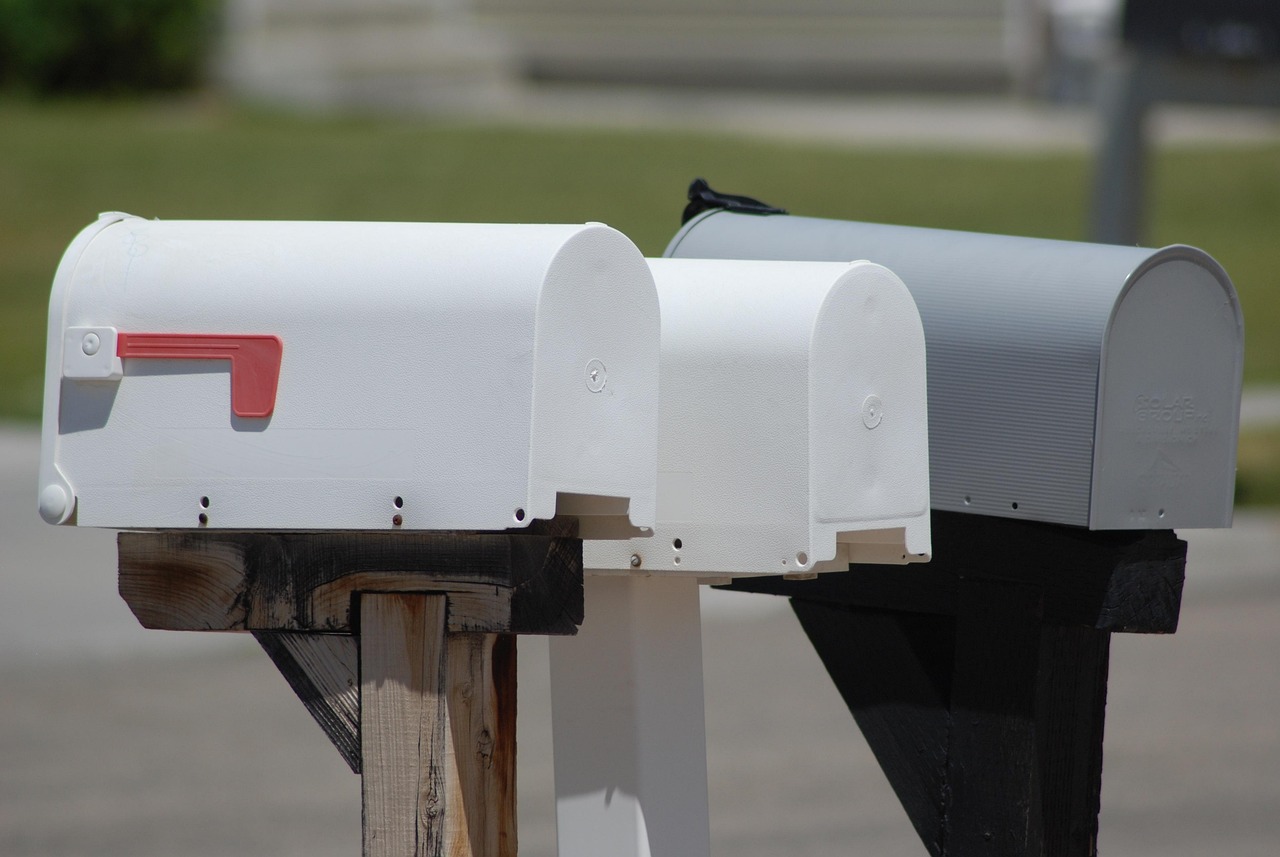
A virtual mailbox suits someone whose main problem is access to correspondence. Depending on the plan, the provider receives letters, shows envelope images online and lets the customer request content scans, storage, shredding or forwarding.
Compare the likely total cost rather than the entry price. Incoming-envelope allowances, scanned pages, extra recipients, storage and international shipping can all affect the bill. Someone receiving a few letters each month has different needs from a household forwarding original documents regularly.
Check the practical details of delivery to your country. Find out how forwarding is requested, which shipping options are available and how tracking works. Decide whether the plan accommodates a spouse or business if those recipients will also use it.
A virtual mailbox can solve the mail problem without providing a broader address or domicile service. A street-formatted address alone does not establish residence or determine whether a bank will accept it for a particular purpose.
Combining a residential address with domicile support
A longer-term move may raise questions beyond mail. Someone giving up their US home might also want a continuing address arrangement, supporting documents and help working through updates. If establishing a different state domicile is part of the plan, there is a separate set of steps to organise.
For Americans considering Florida as their US home base, Your Tax Base’s US residential address service combines a real Florida residential street address with digital mail handling, a proof-of-address letter and guidance on Declaration of Domicile documentation. It also provides support with address updates across institutions.
The Essential plan is listed at $660 per year, equivalent to $55 a month, with annual billing. The relevant comparison is therefore the combined address, mail and documentation support. Readers who only need occasional letter scans may find that a basic mailbox already meets their needs.
Before choosing this type of service, establish which documents and support are included, which items cost extra and what the customer must complete themselves. Confirm how the residential address and mail-handling address should be used. The receiving institution still decides which information and evidence it accepts.
Domicile is a separate consideration. The Palm Beach County Clerk describes a declaration of domicile as a legal document identifying where someone resides and intends to maintain a permanent and principal home. Purchasing an address service is not a substitute for establishing those facts. [1]
Match the arrangement to the job
| Your main need | An arrangement to consider | The deciding question |
| Occasional correspondence | Family or friend’s address | Will the person reliably handle mail for the whole period? |
| Regular access to letters abroad | Virtual mailbox | Does the total cost cover the scans and forwarding you expect? |
| Address and documentation support | Residential-address service with domicile guidance | Does the scope match your circumstances and the records you need to update? |
Make the choice before updating your accounts
List the organisations that need an address update, then ask what each requires. The FFIEC’s bank customer identification guidance describes address and identity-verification requirements, including specified alternatives and risk-based checks. It does not approve individual address providers. [2]
For each account, clarify how to record your overseas residence and a separate correspondence address, if permitted. Keep the answer and requested documents together. Once the arrangement is confirmed, test the mail route before relying on it for important deliveries.
Choose an arrangement you can maintain as life abroad changes, with mail access and address support that fit the records you need to keep.
Sources
