The Reserve Bank of India (RBI) on Wednesday raised its real GDP growth forecast for 2026-27 by 40 basis points to 7.1 per cent, underscoring the resilience of domestic economic activity despite significant global headwinds.
The central bank had earlier projected real GDP growth for the year at 6.7 per cent.
The revised forecast comes after the Indian economy recorded 7.8 per cent real GDP growth in the first quarter, supported by resilient private consumption, strong investment activity and a positive contribution from net exports.
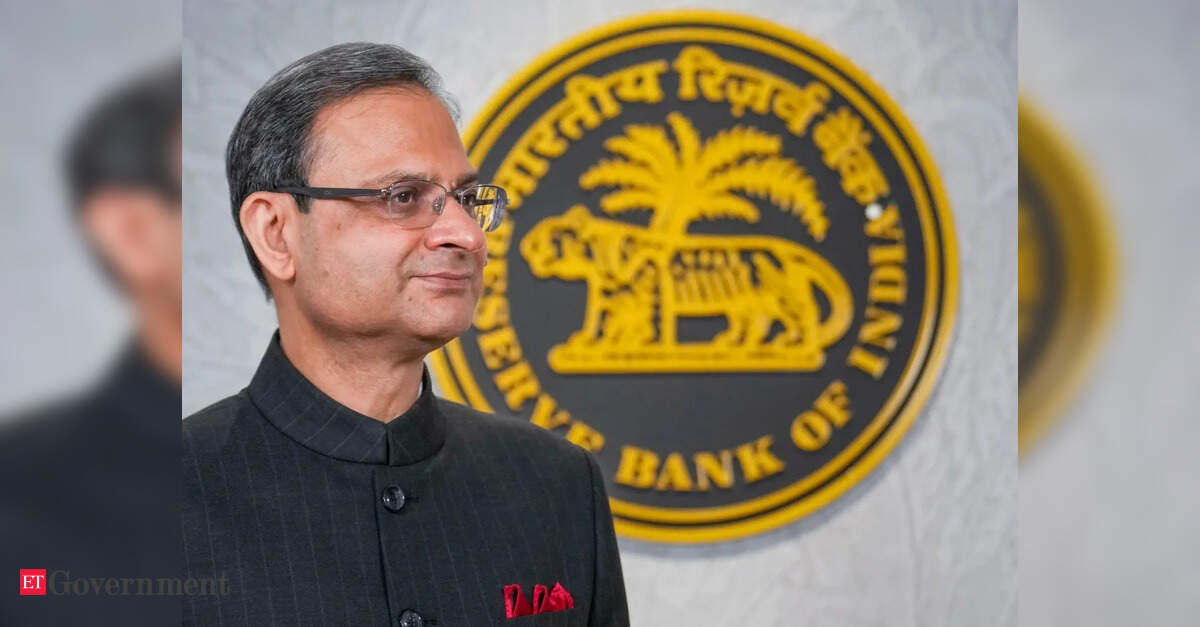
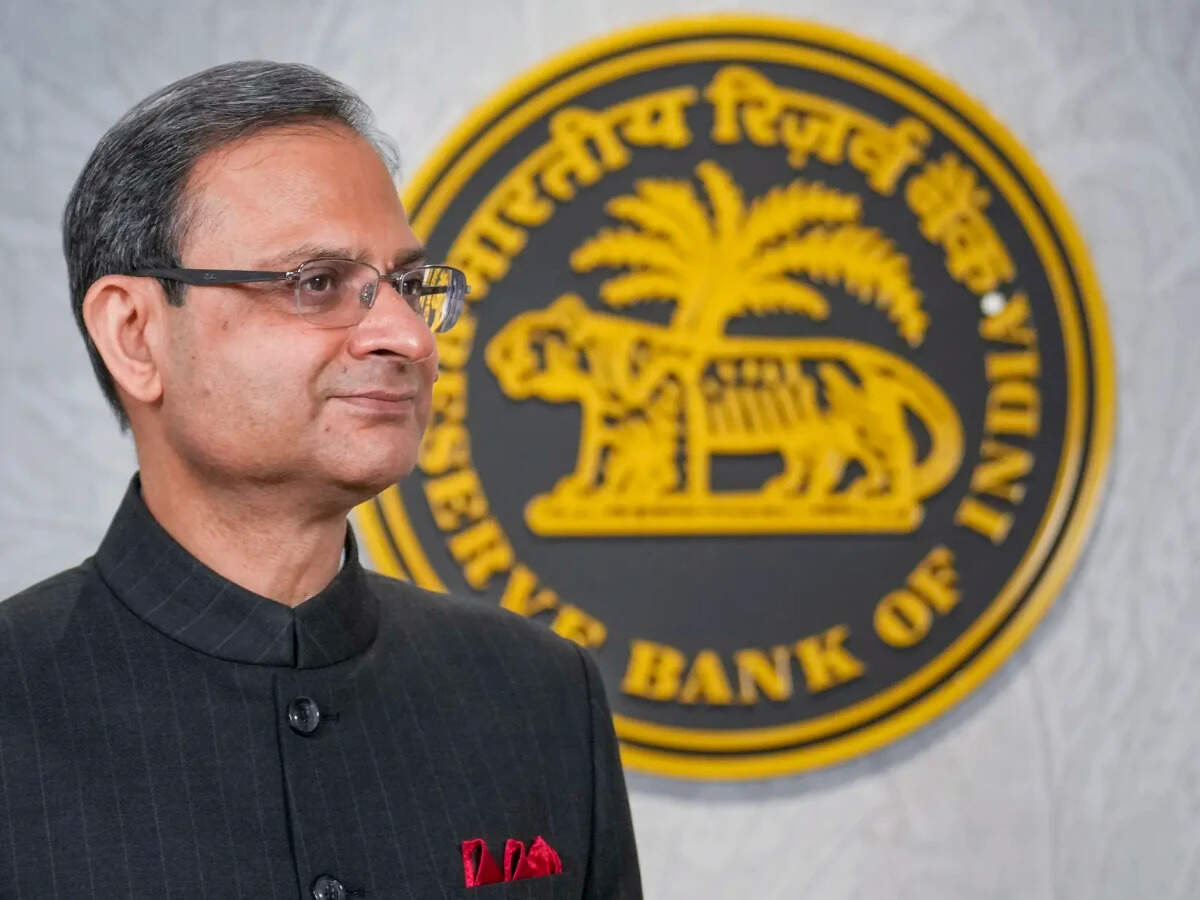
RBI Governor Sanjay Malhotra said economic activity had remained resilient amid global headwinds, with high-frequency indicators for the second quarter suggesting that momentum has held, although with some moderation from the preceding quarter.
For the second quarter, the RBI has projected real GDP growth at 7.2 per cent, followed by 6.9 per cent in Q3 and 6.8 per cent in Q4.
Real GDP growth for Q1 of 2027-28 is projected at 7.1 per cent, with the risks to the growth outlook assessed to be evenly balanced.
Consumption, investment support growth
The RBI said private consumption has remained broadly resilient, supported by continued discretionary spending, while fixed investment has maintained strong momentum.
Investment activity had increased by almost 12 per cent in Q1, according to the Governor.
Manufacturing activity has also held up despite cost pressures, with manufacturing PMI remaining in the expansionary zone during Q2.
Services sector activity remained steady and broad-based, supported by buoyant domestic and external demand, while services PMI also remained in expansion territory.
There has, however, been some weakness in segments such as non-durable goods and domestic air passenger traffic, Malhotra noted.
Merchandise exports registered double-digit growth in July and August as India focused on expanding market access and diversifying export destinations. Services exports also accelerated during the two months.
Rural demand faces monsoon risks
The RBI flagged risks to rural demand from the weak and uneven southwest monsoon and strong El Niño conditions.
Kharif sowing, although somewhat above its normal level, has been marginally lower than last year. The central bank said the weak monsoon could also have a bearing on the upcoming rabi season.
However, resilient non-farm activity is expected to continue supporting rural consumption, while sustained momentum in services and broadly stable employment conditions are expected to support urban demand.
The government’s continued focus on infrastructure spending, a rebound in private investment and strong credit growth are also expected to support investment activity.
Global headwinds remain key risk
The RBI cautioned that global economic uncertainty and supply-chain disruptions could weigh on domestic economic activity.
Protracted geopolitical tensions, elevated international commodity prices, additional frictions in global trade and tightening global financial conditions are expected to remain key risks to the growth outlook.
At the same time, recently operationalised bilateral trade agreements are expected to support merchandise exports.
Taking these factors into consideration, the RBI raised its real GDP growth forecast for 2026-27 to 7.1 per cent, with the risks assessed to be evenly balanced.
The 40-basis-point upward revision reflects the RBI’s assessment that the strength of domestic economic activity has held up better than previously expected despite the significant global and supply-side headwinds.