

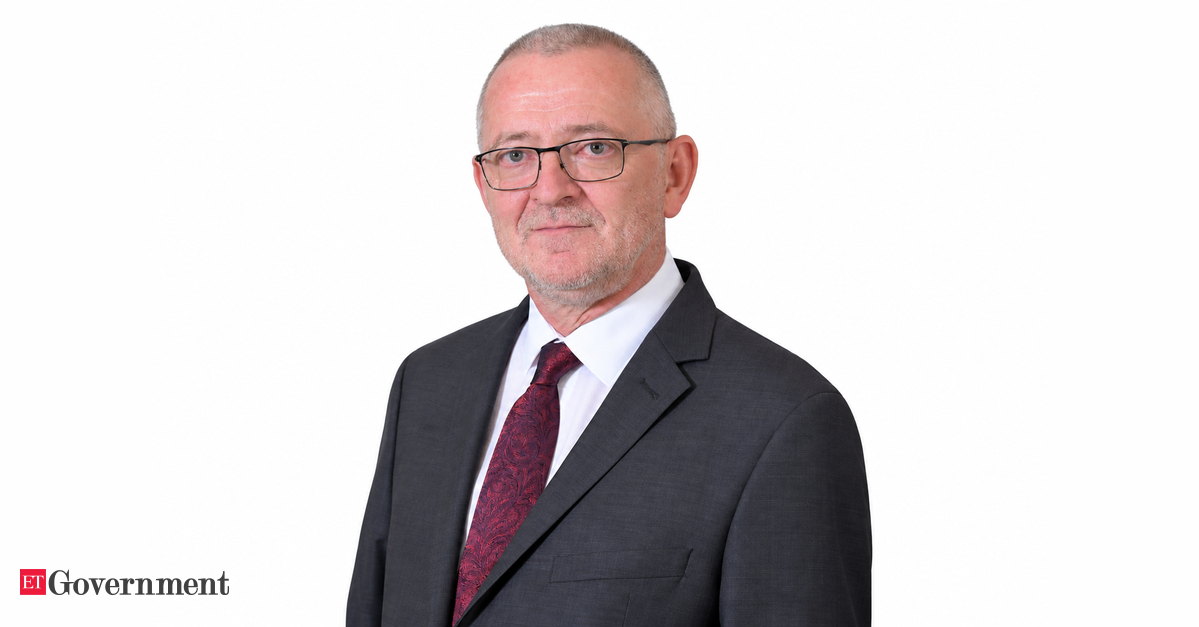
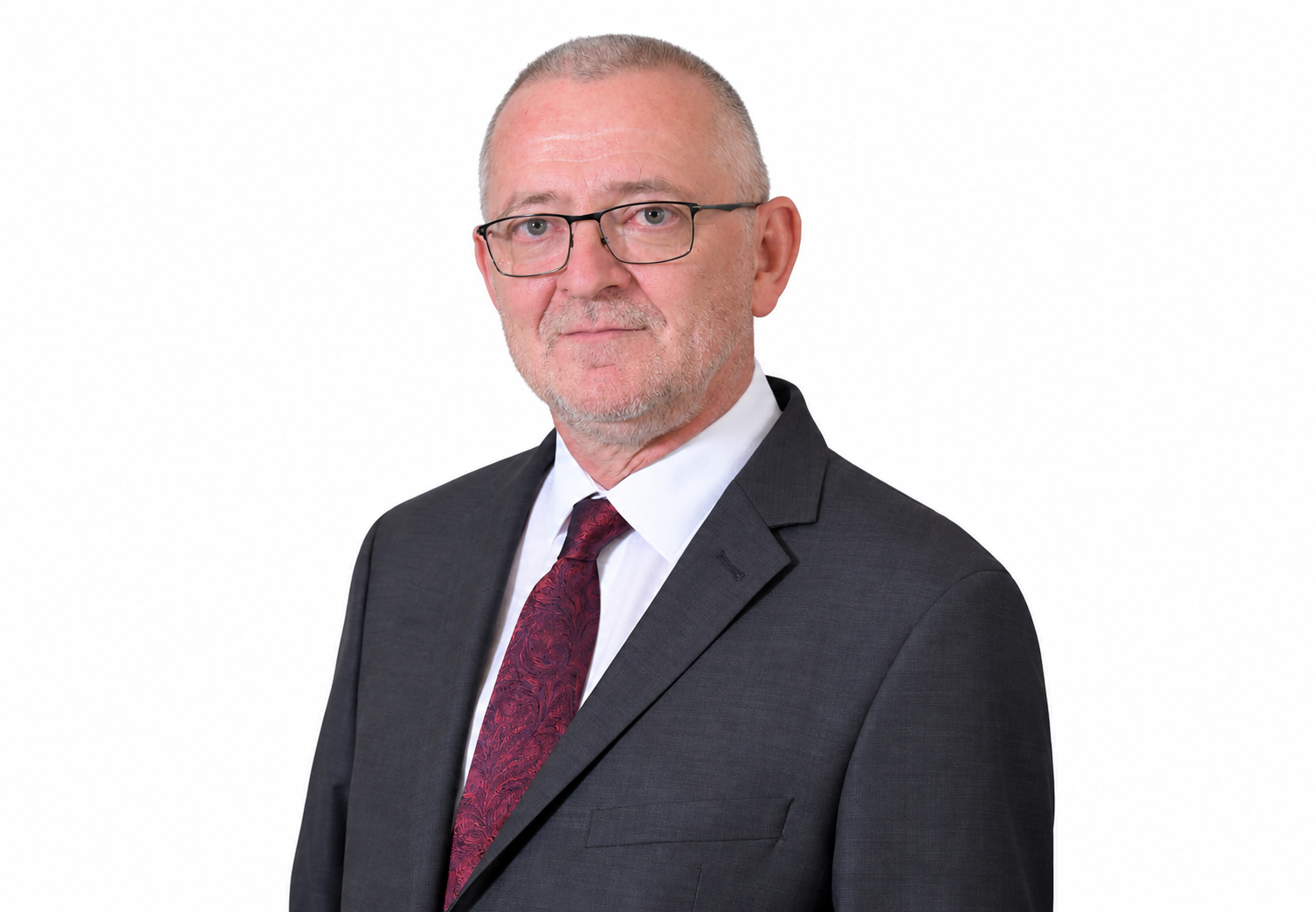
India and Slovenia are entering a promising new phase in their economic relationship, supported by growing business interest and the prospect of the EU–India Free Trade Agreement. The expected signature of agreement in December 2026 will create fresh momentum for cooperation in trade, investment, advanced manufacturing and technology.For Slovenia, a highly export-oriented economy with strong capabilities in automotive components, pharmaceuticals, green technologies and innovation, India represents an increasingly important partner for future growth. In this conversation with Anoop Verma, Tomaž Mencin, Ambassador of Slovenia to India, discusses the opportunities for expanding bilateral relations, the importance of local partnerships and the value of an EU–India Investment Protection Agreement.The Ambassador also outlines Slovenia’s ambitions to attract Indian investment, strengthen business-to-business engagement and promote Slovenia as an attractive, innovative business location within the European Single Market.Edited excerpts:How do you assess the current state of bilateral relations between India and Slovenia, particularly in the context of growing economic engagement and the evolving relationship between India and the European Union?
Economic cooperation between India and Slovenia has a long history, and we now have an excellent opportunity to take it to a new level. Many Slovenian companies were engaged in cooperation with India even before Slovenia gained independence from the former Yugoslavia in 1991. Since independence, however, the Slovenian economy has undergone a fundamental transformation.
We have moved towards a liberal, market-oriented economy that competes within the European Union and has achieved a much higher level of competitiveness than was possible under the earlier socialist economic system. Slovenian exports to India are not insignificant. Our exports demonstrate that even a relatively small economy can develop meaningful commercial ties with a market as large as India. Imports from India have traditionally been much lower, although we have recently registered a substantial increase.
Part of this increase appears to be associated with pharmaceutical trade and international supply chains, including goods that may subsequently be re-exported. Such flows are important to consider when interpreting bilateral merchandise statistics.The bilateral trade balance should therefore be interpreted with an understanding of these wider supply chains. Nevertheless, the potential for expanding economic cooperation is considerable. We believe that the anticipated EU–India Free Trade Agreement will provide an important incentive for the business communities of both countries to explore new opportunities and establish more substantial commercial partnerships.The EU–India Free Trade Agreement is expected to create new opportunities for European businesses. How do you see its potential impact on Slovenian companies, and what challenges will they face in entering the Indian market?
The Free Trade Agreement, for which signature is being pursued, potentially in December 2026, should become an important catalyst for greater economic cooperation between India and Slovenia. However, its significance will extend beyond tariff reductions. It could also influence the structure of economic engagement and encourage Slovenian companies to reconsider how they approach the Indian market.India has been pursuing a successful strategy of promoting domestic manufacturing through the Make in India initiative. Slovenian businesses understand that entering the Indian market may become easier when they establish local partnerships or undertake some degree of manufacturing within India. This approach can help them comply with local requirements, respond more effectively to market conditions and strengthen their competitive position.Slovenia is a relatively small country, with a population of approximately two million, but our economy is highly export-oriented. Our greatest opportunities in India lie in specialised products, advanced technologies and companies willing to establish reliable local partnerships. Lower tariffs alone will not eliminate the challenges associated with India’s industrial policies, certification requirements, price pressures and market-entry costs.India actively promotes domestic manufacturing and employment, which means that opportunities for foreign suppliers vary considerably across sectors. For highly specialised products, direct exports may remain commercially attractive. For broader product categories, however, local manufacturing or cooperation with Indian companies may be necessary. Technical standards and quality certification procedures can increase costs or cause delays, while local production can make compliance easier.Indian buyers are also highly price-sensitive. Slovenian companies must therefore consider not only the quality of their products but also their adaptation to local requirements and the production volumes necessary to offer competitive prices. We should not assume that the Free Trade Agreement will automatically open every segment of the Indian market. Companies will still need to understand local conditions, adapt their business strategies and compete effectively.Beyond tariffs and regulatory requirements, how important are differences in business culture and negotiation practices in determining the success of Slovenian companies in India?
This is an important aspect of doing business in India. I recently attended the annual meeting of the European Union Chambers in Mumbai, where discussions focused on the challenges that Indian and European businesses could face following the conclusion of the Free Trade Agreement. One particularly interesting observation came from Indian business representatives themselves.Some participants observed that bargaining can play a more prominent role in certain Indian commercial discussions, while European companies may be more accustomed to a different negotiating style. These are observations about business experience, not universal rules, and both sides benefit from understanding each other better.European businesses, including Slovenian companies, may benefit from greater flexibility in commercial discussions and from understanding the expectations of their Indian counterparts. Slovenian companies can sometimes be hesitant to continue prolonged commercial discussions because they fear that the final price will become commercially unattractive.In a negotiation, price may not be the most important consideration at the beginning, but it becomes extremely important towards the end. Understanding this difference is essential for establishing successful commercial relationships. Companies must recognise that commercial practices differ across markets and that flexibility, patience and cultural understanding can be just as important as the quality of the product.Another important lesson is the value of reliable local partners. I have emphasised this repeatedly because it is fundamental to success in India. For example, some Slovenian companies are supplying products to Indian Railways. Without a dependable Indian partner, it would be extremely difficult for a Slovenian company to succeed in such a large and complex procurement environment.There is no universal approach applicable to every sector. Legal requirements, procurement conditions and the commercial justification for establishing a local presence must be assessed individually. Successful business development also requires repeated visits, sustained engagement and a willingness to understand the business practices of the other country. A single delegation or an initial round of meetings rarely produces sufficient results.India has emerged as a major manufacturing and technology destination, with several states developing specialised industrial ecosystems. Which Indian states and sectors offer the strongest opportunities for Slovenian companies?
We do not believe that any single Indian state can be identified in advance as the best destination for all Slovenian companies. Business decisions should be based on the nature of the products, target customers, industrial requirements and opportunities for partnerships.One of the recommendations we consistently make to Slovenian businesses is that they should look beyond New Delhi and India’s largest commercial centres. When companies have limited experience of India, they often begin their engagement in Delhi and sometimes conclude all their meetings there. However, India offers enormous opportunities across different regions, and businesses should explore them more systematically.Unlike some larger European countries that may identify particular Indian states as their principal investment or cooperation destinations, Slovenia is open to working with all parts of India. We recognise the considerable economic dynamism taking place across the country. For example, the Indian government is actively promoting the development of the northeastern states. Slovenian companies should examine whether there are opportunities for cooperation in these emerging markets as well.At the same time, we are aware of the strong industrial and technological ecosystems in southern India. Bengaluru and Karnataka, along with other southern states, are important centres for advanced technologies, automotive manufacturing and innovation. These are sectors in which Slovenia also has considerable expertise.The pharmaceutical industry is another important area of cooperation. In fact, the largest Slovenian investment in India is located in Hyderabad, Telangana, in the pharmaceutical sector. It represents a significant success story for Slovenian businesses operating in India and demonstrates the possibilities that exist when companies establish a strong and sustained presence.Indian business representatives have also pointed out that establishing operations in India can provide access to neighbouring countries and the wider South Asian region. This is particularly relevant for Slovenia because our economic engagement with several South Asian countries remains relatively limited. Interest in India, South Asia and Asia more broadly is growing among Slovenian businesses, and we see India as a potentially important gateway to these markets.Are there particular Slovenian products or industries that could benefit immediately from the tariff reductions anticipated under the EU–India Free Trade Agreement?
One interesting example is Slovenian wine, which is a traditional and highly regarded product of our country. In the case of wine and other alcoholic beverages, we expect that reductions in India’s relatively high import duties could have a more immediate commercial impact. The Slovenian Embassy is preparing to facilitate the participation of Slovenian wine producers in ProWine Mumbai, which will take place later this month. The objective is to help our winemakers establish initial contacts with Indian distributors, importers and logistics providers.This is a practical example of how the anticipated Free Trade Agreement could create new business opportunities for Slovenian producers. However, we should remain realistic. At this stage, we see it as a potential commercial opportunity rather than a basis for forecasting rapid growth in exports.The development of such markets requires time, reliable distribution arrangements, knowledge of consumer preferences and an understanding of regulatory conditions. Tariff reductions can provide an important incentive, but sustained business engagement will determine the actual results.Beyond the Free Trade Agreement, the European Union and India are also negotiating an Investment Protection Agreement. How important is this agreement, and what issues remain to be resolved?
The conclusion of the Free Trade Agreement should not be regarded as the end of the process of strengthening economic relations between India and the European Union. The next important step should be the conclusion of the Investment Protection Agreement, or IPA, on which negotiations are continuing.An investment protection agreement between these two major economies would send a strong signal to investors about our shared commitment to establishing a predictable, rules-based framework for cross-border investment. It would strengthen confidence among European investors considering India and Indian investors looking at opportunities in Europe. It would also contribute to the development of a deeper and more sustainable long-term economic partnership.Considerable progress has already been achieved in the negotiations. On the Indian side, these discussions are being conducted by the Ministry of Finance, while the European Commission leads the negotiations on behalf of the European Union. Nevertheless, we believe that greater pragmatism will be necessary to resolve the remaining issues and conclude the agreement.Some of the outstanding matters concern dispute settlement and enforcement mechanisms, the treatment of taxation measures and security exceptions. Both sides have already dealt with comparable issues in other negotiating contexts, including the Free Trade Agreement discussions and within the framework of the World Trade Organization. Negotiators could draw upon these experiences to bridge the remaining differences.I believe that an agreement is within reach, and we should accelerate the negotiations to bring them to a successful conclusion. It would be unfortunate if we treated the Free Trade Agreement as the final achievement when other substantial and necessary agreements are still being negotiated. Investment protection is particularly important because businesses need legal certainty and confidence before committing capital to long-term projects.What are the principal sectors in which Slovenia can contribute to India’s economic and technological development, and what advantages does Slovenia offer Indian businesses seeking to expand into Europe?
The Free Trade Agreement creates opportunities for Slovenia to deepen its economic engagement with India in several sectors where we possess considerable expertise. These include advanced and specialised manufacturing, automotive technologies, pharmaceuticals, information and communication technology, artificial intelligence, green technologies, logistics, research and innovation.I would place research and innovation particularly high on this list because they are fundamental to the future competitiveness of both economies. India offers Slovenian companies access to skilled talent and one of the world’s most dynamic major markets. It is also becoming increasingly important as a centre for technology development, innovation and advanced manufacturing.Slovenia, in turn, offers Indian companies a highly skilled, innovative and export-oriented economy within the European Union. Our geographical location is another important advantage. Slovenia connects Central Europe, the Mediterranean region and the Western Balkans, providing Indian companies with an excellent base from which to reach major European markets.We want Indian businesses to see Slovenia not simply as a country with a population of two million, but as a competitive and innovative location within the European single market, which offers access to hundreds of millions of consumers.Similarly, we want Slovenian businesses to stop viewing India as a distant or difficult market and recognise it as an increasingly important partner for their future growth. In my view, stronger engagement with India can make an important contribution to the future growth and international competitiveness of Slovenian companies. This is a message that our Embassy is consistently communicating to the Slovenian business community.Slovenia occupies a strategically important position in European transport and logistics networks. How can its port infrastructure and geographical connectivity support greater trade between India and Europe?
Slovenia’s geographical position is one of its strongest economic advantages. We are located at the intersection of Central Europe, the Mediterranean and the Western Balkans, and this makes our country an attractive destination for businesses seeking access to different European markets.The Port of Koper is among the important ports serving the Mediterranean and Central European regions. It provides a significant logistical advantage for companies that need efficient connections between maritime transport and inland European markets.Another interesting feature is the close proximity of Koper to the Italian port of Trieste and the Croatian port of Rijeka. These ports are located relatively close to one another, and all three countries are members of the European Union. Although they compete commercially, there are also important complementarities between their operations and the wider transport networks they serve.We should therefore not look at these ports exclusively as competitors. Their geographical proximity and interconnected transport systems create opportunities for cooperation and more efficient logistics.For Indian companies, Slovenia can serve as an entry point into the wider European market. Businesses establishing a presence in Slovenia can benefit from its transport infrastructure, industrial capabilities and access to neighbouring European economies. This is particularly relevant for companies involved in manufacturing, logistics, distribution and international trade.What institutional initiatives are being undertaken to strengthen business-to-business engagement between India and Slovenia?
We are seeing encouraging developments in this area. The Indian Embassy in Ljubljana has been making considerable efforts to promote economic cooperation and investment opportunities. Indian investment-promotion agencies have also organised presentations and outreach activities to encourage greater engagement between the business communities of our two countries.A particularly important recent development is the re-establishment of the Slovenian–Indian Business Council in Ljubljana on 27 October 2026. This represents a significant institutional step towards strengthening bilateral commercial relations after a considerable gap.We expect that a corresponding institutional arrangement will also be developed in India, allowing business organisations from both countries to work in close partnership. Chambers of commerce will have an important role in this process. We welcome the participation of different Indian business organisations and believe that greater institutional cooperation will facilitate more sustained commercial engagement.These mechanisms can help companies identify potential partners, exchange information, understand regulatory requirements and develop commercial relationships. They are particularly valuable for small and medium-sized enterprises that may not have extensive experience of operating in foreign markets.Union Commerce and Industry Minister Piyush Goyal recently visited Germany and the Netherlands. Slovenia was also expected to be part of his European itinerary. What is the status of the proposed visit, and what opportunities could it create?
Minister Piyush Goyal visited Germany and the Netherlands last week, and Slovenia was originally expected to be the final destination of his European visit. Unfortunately, the Slovenian leg had to be postponed because of scheduling constraints and the availability of all relevant counterparts.We are continuing our diplomatic efforts to identify a suitable date for the visit. Our hope is that it can take place even before the anticipated signing of the EU–India Free Trade Agreement in December.The Minister’s visits to Germany and the Netherlands demonstrated the strong interest among major Indian companies, as well as medium-sized enterprises, in developing deeper and more integrated cooperation with European partners. These partnerships are increasingly focused on specialised industrial capabilities, technological cooperation and opportunities for mutual investment.We believe that similar opportunities exist in Slovenia. Our economy has several specialised industrial sectors that could complement the requirements of Indian businesses. A ministerial visit would provide an important opportunity to bring these possibilities into greater focus and strengthen the institutional foundations of bilateral economic cooperation.Slovenia has considerable expertise in automotive components and advanced manufacturing. How do you assess the prospects for cooperation with India’s rapidly expanding automotive and industrial sectors?
Slovenia has a highly developed automotive components industry and is an important supplier to major European automobile manufacturers, particularly in Germany. Our proximity to the German automotive industry is a significant advantage, with several major manufacturing centres located only about 500 to 600 kilometres away.We also have substantial investment from the French automobile manufacturer Renault. Its manufacturing facility at Novo mesto represents one of the most important European industrial investments in Slovenia. The Revoz plant has a long history of vehicle manufacturing and is moving into a new phase with the electric Renault Twingo E-Tech as well as the new generation Dacia electric cars.The automotive industry is undergoing a major transformation, and this development underlines Slovenia’s ability to contribute to European electric mobility and advanced automotive manufacturing. These industrial capabilities create opportunities for cooperation with Indian companies involved in automobile manufacturing, components, engineering and emerging mobility technologies.India’s automotive industry is expanding, and its manufacturers are increasingly integrated into international supply chains. Slovenian companies possess specialised technological capabilities that could complement Indian manufacturing strengths. Cooperation could take different forms, including component supplies, technology partnerships, local manufacturing and joint industrial projects.We see considerable scope to attract more Indian investment to Slovenia, and I believe that this opportunity will receive increasing attention. Indian businesses are becoming increasingly international in their outlook, and Slovenia offers advantages that should attract greater attention. We are not simply a market of two million people; we are part of a much larger European economic area with extensive industrial and logistical connections.I am confident that stronger business contacts can encourage additional Indian investment in Slovenia, particularly as businesses become more familiar with the opportunities available in our country.While economic cooperation is receiving increasing attention, what developments can we expect in the broader political and diplomatic relationship between India and Slovenia?
Economic relations are certainly at the forefront of our engagement, and both Slovenia and India are interested in expanding trade, investment and industrial cooperation. At the same time, political consultations remain an important component of our bilateral relationship.We are preparing for the next round of political consultations in Ljubljana, envisaged for December 2026, with participation from senior officials of the Indian Ministry of External Affairs, subject to final confirmation.These consultations will provide an opportunity to review the broader bilateral relationship and maintain regular diplomatic engagement between our two countries. Economic cooperation is an important priority, but our relationship also requires sustained political dialogue and institutional interaction.We see considerable potential for further strengthening India–Slovenia relations. The anticipated progress in EU–India economic relations, growing business interest and continuing political consultations provide a favourable foundation for expanding our partnership in the coming years.
