

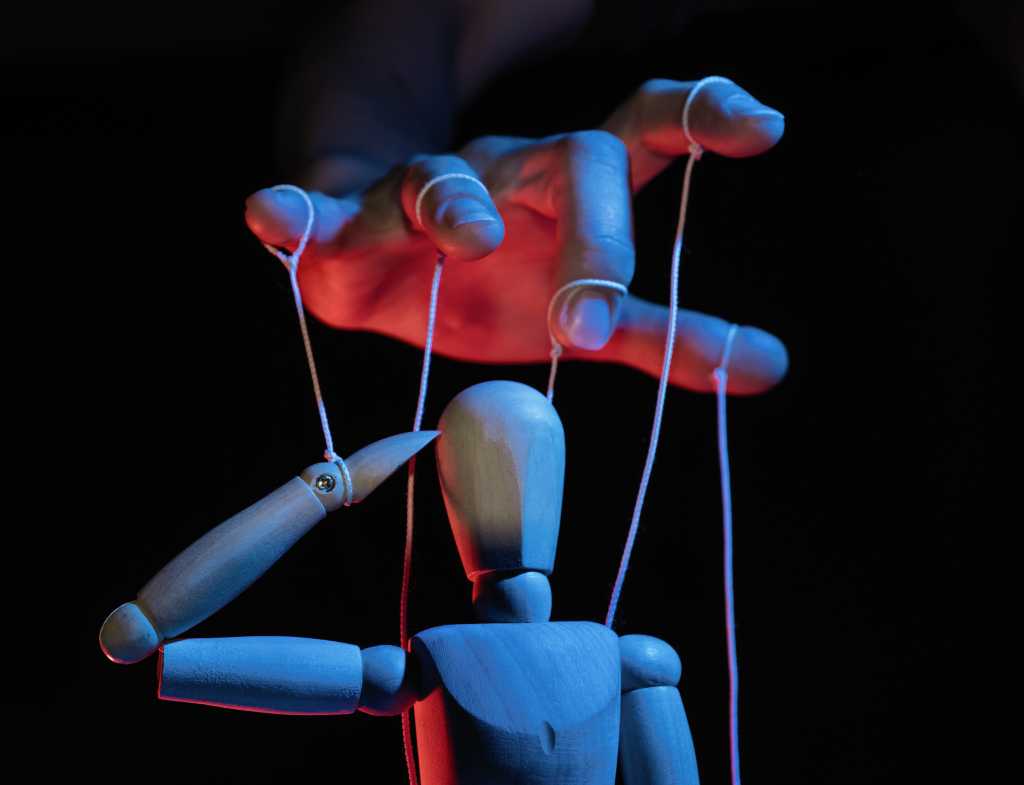

This is especially true in the field of IT, where projects are treated as one-time, discrete initiatives for developing IT solutions. This is work that can be controlled and evaluated as either success or failure. The inherent flaw is that a project manager may perfectly deliver all planned outputs to the agreed scope, timeline and budget, but the solution may still fail to deliver business value. It’s the equivalent of saying “the surgery was successful, but the patient died.”
Contrast that with crisis management. Command centers and task forces are examples of structures that are designed to manage uncertainty. Predefined roles matter far less than initiative and speed, and outcomes matter more than outputs or process compliance. Success often hinges on collaboration and information-sharing, which requires those involved to disregard roles and responsibilities and to embrace uncertainty.
To navigate the challenges facing today’s organizations, especially those related to AI, the project-management toolset is less effective. Dealing with uncertainty is better with a management tool modeled after products, with goals and teams closer aligned to outcomes — even if it means less control, less clarity around responsibilities and if it makes personal performance evaluations harder.
