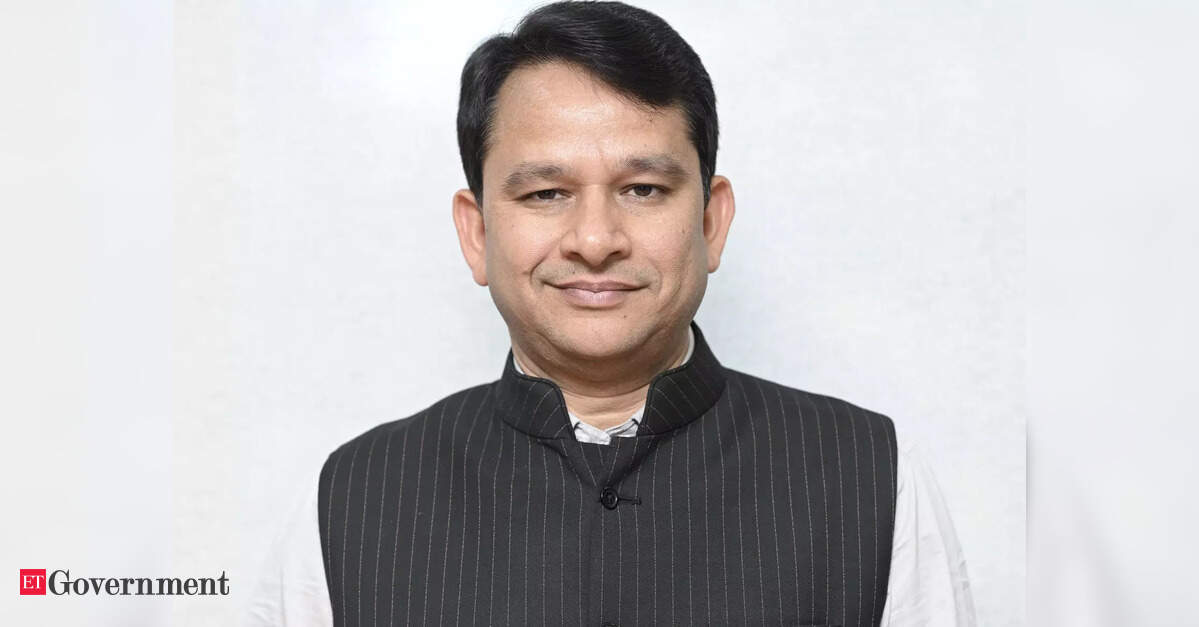
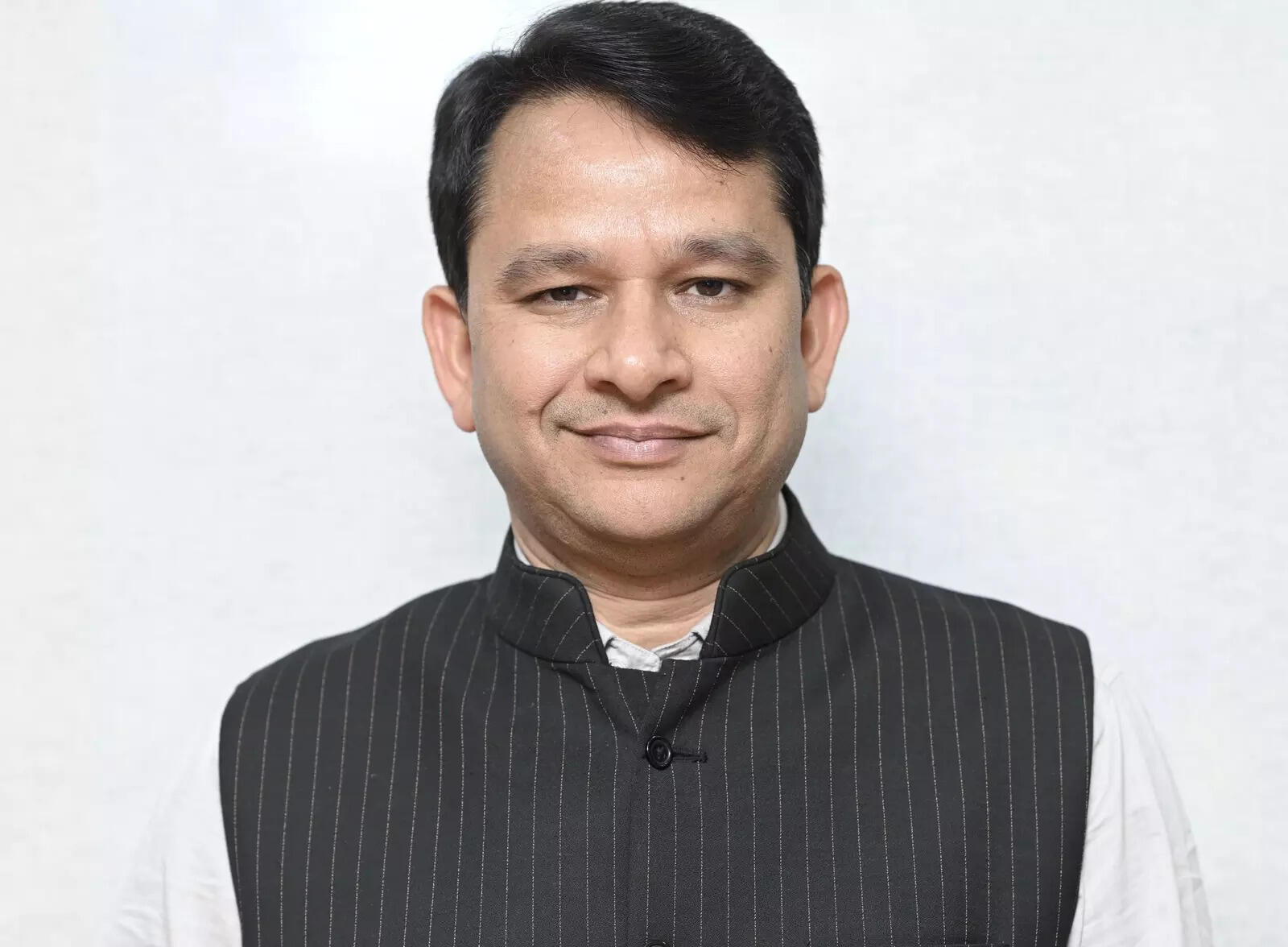
In this conversation, Bharat Yadav, Managing Director of the Madhya Pradesh Road Development Corporation (MPRDC), outlines the transformative journey of the state’s infrastructure.
Moving beyond the mandate of simple connectivity, Yadav explains how MPRDC is now a primary architect of economic growth, leveraging high-speed corridors and digital governance to position Madhya Pradesh as a logistics and industrial powerhouse in central India.
The discussion delves into the strategic planning behind massive undertakings such as the six economic corridors and the specialized infrastructure being readied for Simhastha 2028. From the ambitious Ujjain–Jawra Access-Controlled Highway to the implementation of the Hybrid Annuity Model (HAM), Yadav highlights how the state is balancing rapid expansion with fiscal responsibility and engineering excellence.
Furthermore, the interview sheds light on the corporation’s commitment to sustainability and innovation. Through the use of the PM Gati Shakti portal, the Lokpath mobile app, and pioneering wildlife-friendly construction methods, MPRDC is setting a new standard for “green” and transparent infrastructure development. Yadav’s vision provides a roadmap for a future where every national highway in the state is four-laned by 2047, ensuring long-term prosperity and safety for all citizens.
Edited excerpts:
How do you see the role of road infrastructure evolving in Madhya Pradesh?
Road infrastructure in Madhya Pradesh has evolved far beyond its traditional role of providing basic connectivity. Today, it serves as a critical enabler of economic activity, social inclusion and industrial development. Roads determine how efficiently goods move, how easily people access opportunities and how competitive a state’s economy becomes.
At MPRDC, our focus is on developing road networks that are safe, resilient, technologically advanced and aligned with the state’s long-term growth strategy. We place strong emphasis on quality assurance, digital monitoring and adherence to timelines so that infrastructure delivery directly contributes to investment growth, logistics efficiency and an improved quality of life for citizens.
High-speed and access-controlled corridors are being positioned as key growth drivers. What are the major projects in this segment?
High-speed and access-controlled corridors are essential for reducing travel time, lowering logistics costs and improving economic productivity. One of our most significant initiatives in this segment is the Ujjain–Jawra Access-Controlled Greenfield Highway, a 98.41 km project with an investment of ₹5,017 crore. This corridor will provide seamless connectivity between Ujjain and the Delhi–Mumbai Expressway, significantly strengthening interstate trade and mobility.
Another key project is the Indore–Ujjain Access-Controlled Greenfield Highway, spanning 48.10 km at a cost of ₹2,935 crore. This corridor is expected to ease congestion and enhance mobility between two of the state’s most important urban and economic centres.
Simhastha 2028 is a major upcoming event. How is infrastructure planning being aligned with it?
Simhastha 2028 requires a comprehensive and well-integrated mobility framework to manage large-scale movement safely and efficiently. As part of the preparations, the Indore–Ujjain road is being widened to six lanes at an estimated cost of ₹1,692 crore to improve access to Ujjain.
In addition, the Ujjain Simhastha Bypass is being upgraded to four lanes with an investment of ₹701 crore. Supporting urban infrastructure projects, such as a four-lane road overbridge at Harifatak and the 1.762 km Mahakal Ropeway, are also under development. Together, these projects are aimed at ensuring smooth, safe and well-managed movement of pilgrims during the event.
What is the strategic importance of the six economic corridors being developed in the state?
Economic corridors are central to unlocking regional potential and integrating markets. Madhya Pradesh is currently developing six economic corridors, covering a combined length of 3,368 km, with a total investment of approximately ₹36,483 crore, targeted for completion by 2028.
These corridors — Narmada Pragati Path, Vindhya Expressway, Malwa–Nimar Development Path, Atal Pragati Path, Bundelkhand Development Path and Madhya Bharat Development Path — are designed to connect industrial clusters, agricultural regions and logistics hubs. The objective is to stimulate regional economies, generate employment and attract both domestic and global investment.
Could you share insights into some of the unique engineering projects being undertaken by MPRDC?
One of the notable engineering initiatives is the Raisen–Rahatgarh Elevated Corridor, a 9.1 km-long structure constructed over the submergence area of the Madhia Dam. This project connects Raisen with the Sagar district and demonstrates how infrastructure development can address complex geographical challenges while enhancing regional connectivity and tourism potential.
Such projects reflect MPRDC’s emphasis on innovation, context-specific engineering and the application of solutions tailored to local terrain and environmental conditions.
Urban congestion is a growing challenge across Indian cities. How is MPRDC addressing this issue?
Urban congestion is a critical mobility challenge, particularly in rapidly expanding cities. The Bhopal–Dewas highway, a 149 km corridor, is currently being upgraded from four lanes to six lanes at an estimated cost of ₹4,000 crore to improve traffic flow and safety.
In Bhopal, the Western Bhopal Bypass, a 35.6 km four-lane project with an investment of ₹2,981 crore, is under development. Once operational, it will reduce travel distance towards Indore by nearly 25 km, resulting in significant time and fuel savings. Additionally, MPRDC is planning ring roads for cities with populations exceeding one lakh to decongest urban cores and improve mobility.
Digital governance appears to be central to MPRDC’s operations. What systems have been introduced?
Digital transformation has become a cornerstone of MPRDC’s governance framework. The Lokpath Mobile App enables citizens to report road-related issues, ensuring transparency and time-bound grievance redressal.
Internally, the Lok Project Management System has digitised budgeting, approvals, tendering and measurement processes, improving efficiency and accountability. The Road Asset Management System (RAMS) supports scientific assessment and prioritisation of maintenance needs, while integration with the PM Gati Shakti portal ensures coordinated, data-driven infrastructure planning across departments.
How is environmental sustainability being integrated into road development?
Environmental sustainability is an integral component of our infrastructure strategy. Under the MPRDC Green Road initiative, we are adopting wildlife connectivity solutions on roads passing through forest areas and tiger reserves. These include wildlife underpasses, viaducts and sound barriers to enable safe animal movement.
Other measures include rainwater harvesting on flyovers, water recharge bores at regular intervals, development of Lok Kalyan Sarovars, scientific tree transplantation and satellite-based monitoring of plantations to ensure ecological balance alongside infrastructure growth.
What role does the Hybrid Annuity Model (HAM) play in Madhya Pradesh’s road development strategy?
The Hybrid Annuity Model (HAM) has played a significant role in accelerating project execution while maintaining financial sustainability. Over the past two years, five major projects covering approximately 345 km, with a total estimated cost of ₹12,676 crore, have been approved under HAM.
This model allows for balanced risk-sharing between the public and private sectors, ensures timely delivery and brings private-sector efficiency into large-scale infrastructure development.
What are the long-term priorities for MPRDC?
Madhya Pradesh has already developed a road network exceeding 3.5 lakh km. Looking ahead, our priorities include developing ring roads in major urban centres and ensuring that all national highways passing through the state are four-laned by 2047.
Our long-term vision is to make road infrastructure a strong pillar of economic growth, safety and sustainable development, positioning Madhya Pradesh as a benchmark state in infrastructure planning and execution.