

The inaugural session at the GovTech Summit & Awards 2026, held on March 19 at the plush environs of Hotel Hyatt Regency, New Delhi, was aptly titled “Inaugural Session: Next-Gen Governance: Innovation, Inclusion, Impact.”
The gathering brought together over 300 guests, including senior government dignitaries, industry leaders, technology experts, partners, and media professionals, reflecting the growing significance of India’s digital governance discourse.
The session unfolded less as a ceremonial opening and more as a dense, forward-looking articulation of India’s next phase of governance.
Bringing together five of the country’s most senior policymakers across consumer affairs, cooperation, border management, electronics and IT, and telecommunications regulation, the discussion converged on a single underlying proposition: that the next decade of governance in India will be defined not merely by digitisation, but by the intelligent orchestration of data, infrastructure, and institutional capacity.
Setting the tone for the deliberations, by the author of this article, in his welcome address, situated the summit within India’s larger digital transformation narrative, observing that platforms such as Aadhaar, UPI, and Digital Public Infrastructure have fundamentally reshaped service delivery and transparency.
He underlined that India now stands at a new inflection point where artificial intelligence and advanced data systems are beginning to redefine governance itself, and noted that the summit’s theme—“Next-Gen Governance: Innovation, Inclusion, Impact”—draws directly from the momentum of the India AI Impact Summit, particularly in advancing inclusive language technologies, sovereign AI capabilities, and responsible deployment at scale.
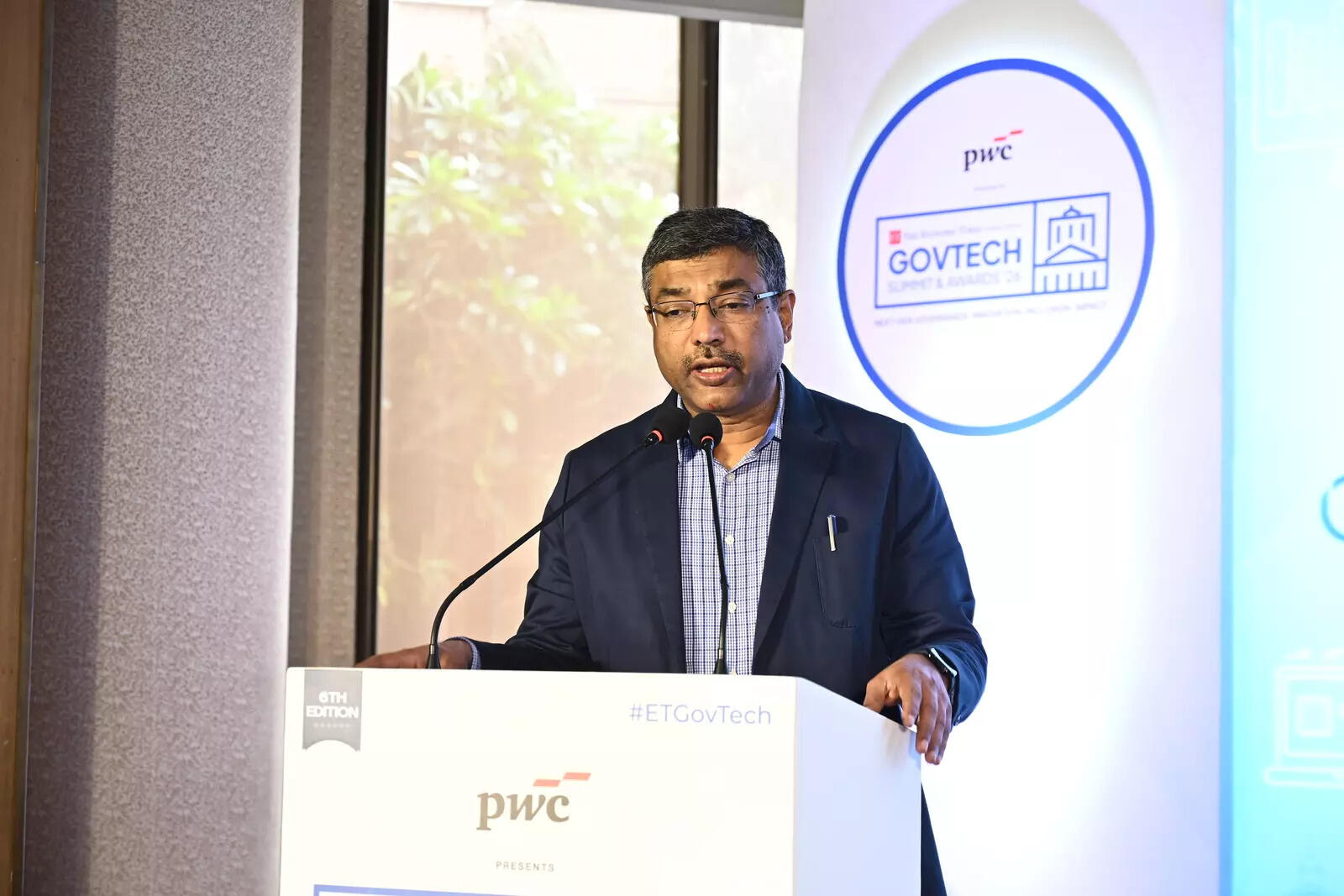
At the heart of the inaugural discussion was the recognition that India has already crossed the threshold of foundational digital transformation. As S. Krishnan, Secretary, Ministry of Electronics & Information Technology, observed, the country has moved from building digital rails to leveraging them for real-time governance outcomes.
“We are no longer in a phase where we are asking whether technology should be used in governance,” he suggested in essence, “the question now is how effectively we can deploy AI and data to improve state capacity and citizen outcomes.” His emphasis on compute infrastructure, data accessibility, and indigenous AI model development reflected a strategic shift—from adoption to ownership of technological capabilities.
Krishnan’s intervention underscored a structural challenge: while India has built world-class digital public infrastructure, the fragmentation of data across departments continues to limit its full potential. The next frontier, he indicated, lies in creating interoperable data ecosystems and scalable AI use cases that can operate across sectors such as agriculture, healthcare, and urban governance. Equally critical, he cautioned, is the need to embed principles of accountability, transparency, and safety into AI systems, especially as they begin to influence decision-making at scale.
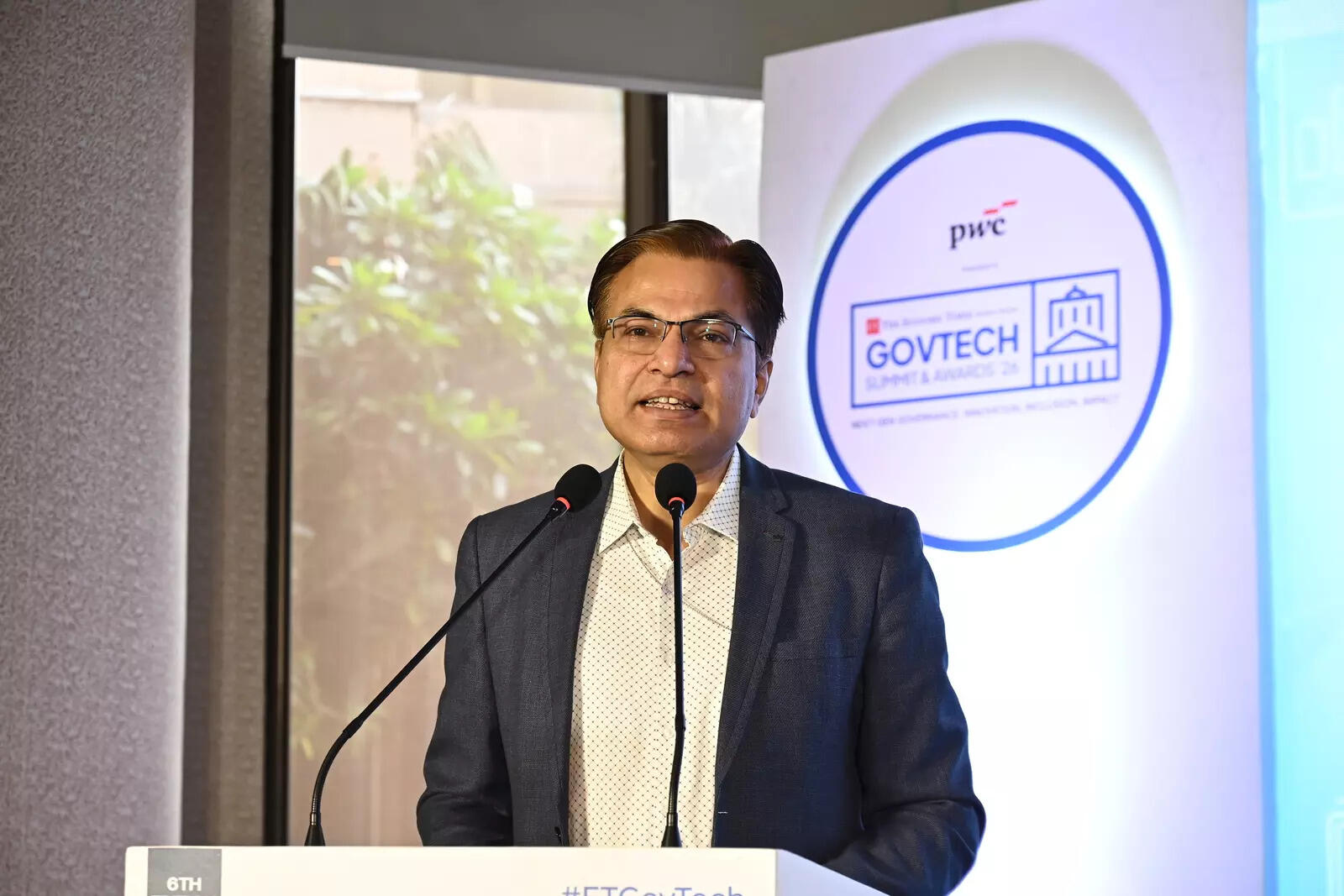
This concern with scale and integration found resonance in the remarks of Dr. Rajendra Kumar, Secretary, Department of Border Management, Ministry of Home Affairs. Framing border regions not merely as security frontiers but as development zones, he highlighted the role of technology in transforming governance in remote and strategically sensitive areas.
“Technology allows us to not only monitor but also understand patterns—whether it is movement, resource utilisation, or emerging risks,” he indicated, pointing to the growing use of real-time data, sensors, and AI-enabled analytics in border infrastructure and surveillance.
For Dr. Kumar, the integration of technology into governance is not an abstract exercise but a deeply operational one. From mapping terrain and monitoring infrastructure to improving service delivery in remote villages, the application of digital tools is reshaping how the state engages with its most peripheral geographies. His remarks suggested that the idea of “smart governance” is expanding beyond urban centres to include border and rural ecosystems—areas traditionally constrained by geography and capacity.
If border governance represents one end of the spectrum, consumer governance represents another—where scale, complexity, and immediacy intersect. Nidhi Khare, Secretary, Department of Consumer Affairs, brought attention to the challenges of managing markets, prices, and consumer protection in an increasingly digital economy. Her emphasis was on the need for integrated command-and-control systems that can aggregate data from multiple sources—retail markets, supply chains, and even social signals—and translate them into actionable insights.

“The systems exist, but they do not yet speak to each other,” she implied, highlighting the fragmentation that limits real-time responsiveness. The opportunity, as she framed it, lies in using AI not as a standalone tool but as a layer that enhances existing systems—enabling predictive analytics, faster decision-making, and more responsive governance. Her remarks also pointed to a critical governance question: how to ensure that technology augments institutional capacity without overwhelming it.
A parallel concern with institutional capacity emerged in the address of Dr. Ashish Kumar Bhutani, Secretary, Ministry of Cooperation. Situating the cooperative sector within India’s broader economic trajectory, he argued that digital transformation must extend to grassroots economic institutions. The cooperative ecosystem, which touches millions of citizens across agriculture, dairy, and rural finance, stands to benefit significantly from data-driven governance, digital platforms, and AI-enabled decision-making.

Bhutani’s perspective introduced an important dimension to the conversation: inclusion. While much of the discourse on AI and digital governance tends to focus on urban and high-tech sectors, the cooperative model represents a bridge between advanced technologies and grassroots economies. The challenge, as he suggested, is to ensure that digital tools are adapted to local contexts—enhancing productivity, transparency, and access without creating new forms of exclusion.
No discussion on next-generation governance would be complete without addressing the infrastructure that underpins it. Anil Kumar Lahoti, Chairman, Telecom Regulatory Authority of India, provided a detailed account of India’s telecommunications landscape, framing it as the backbone of the country’s digital ambitions. With one of the world’s largest communication networks, rapidly expanding 5G coverage, and some of the lowest data costs globally, India has created an enabling environment for digital services at scale.
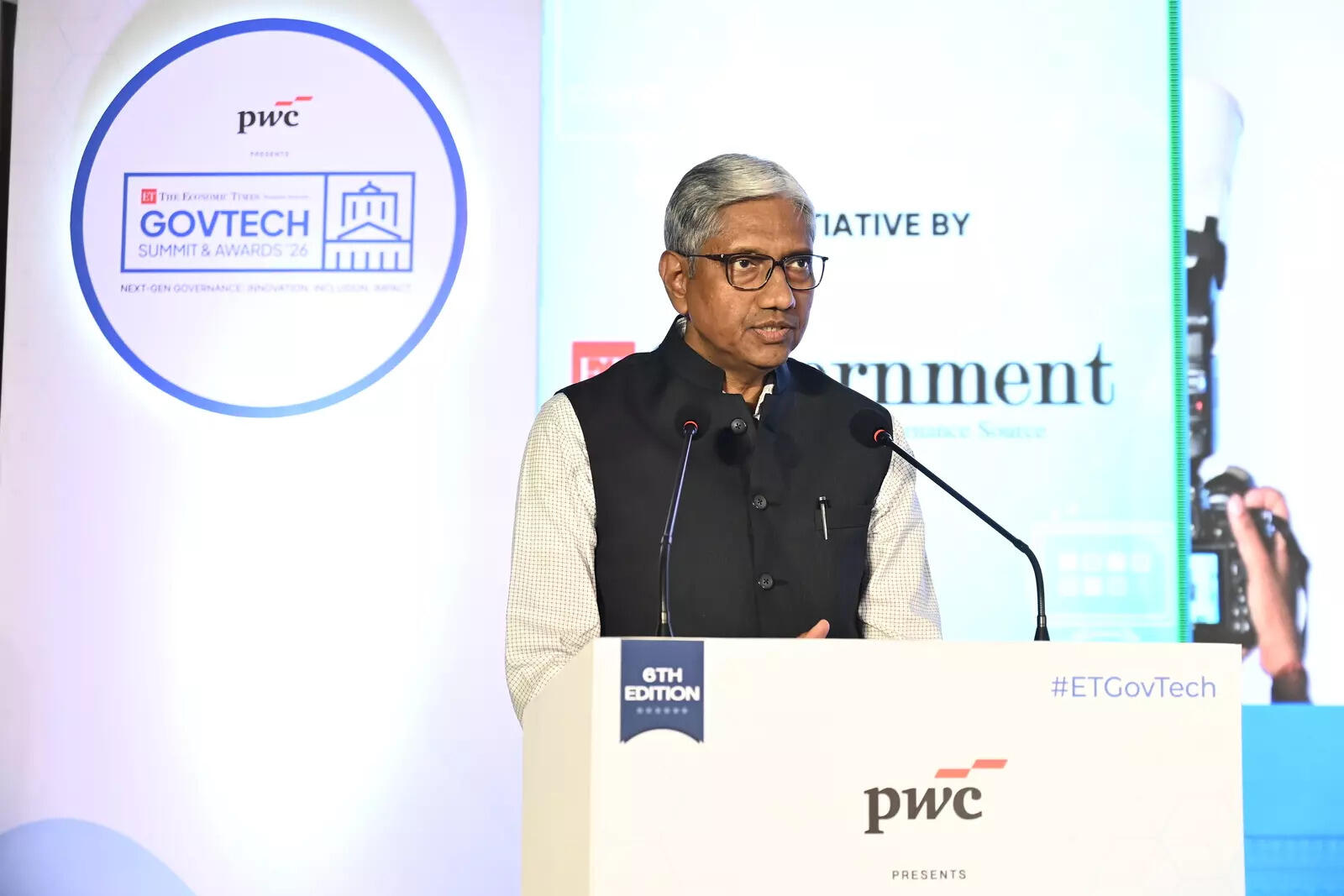
“AI runs on telecom networks, and telecom networks increasingly run on AI,” Lahoti noted in substance, capturing the symbiotic relationship between connectivity and intelligence. His remarks highlighted the rapid expansion of broadband and mobile penetration, particularly in rural areas, as well as ongoing efforts to prepare for 6G technologies. At the same time, he acknowledged persistent challenges—ranging from last-mile connectivity and device affordability to spectrum management and infrastructure deployment.
Lahoti’s emphasis on universal connectivity carried a strategic undertone: without equitable access to digital infrastructure, the promise of AI-driven governance cannot be realised. The expansion of networks into remote, rural, and border areas is therefore not just a technological imperative but a governance one.
Taken together, the inaugural session offered a layered understanding of India’s digital governance journey. It is a story that has moved beyond the creation of platforms and infrastructure to the more complex task of integration, optimisation, and scaling. The speakers collectively pointed to three emerging priorities: building interoperable data ecosystems, developing indigenous technological capabilities, and ensuring that digital transformation remains inclusive and accountable.
Perhaps the most striking insight from the session was the recognition that technology, by itself, does not transform governance. It is the alignment of technology with institutional processes, policy frameworks, and human capacity that determines outcomes. As one speaker suggested in essence, the real challenge is not the availability of tools but the ability to use them effectively, responsibly, and at scale.
In that sense, the GovTech Summit’s inaugural panel did more than set the tone for the event—it outlined the contours of a new governance paradigm. One in which the state is not merely digitised, but intelligent; not merely connected, but integrated; and not merely efficient, but responsive to the evolving needs of its citizens.