

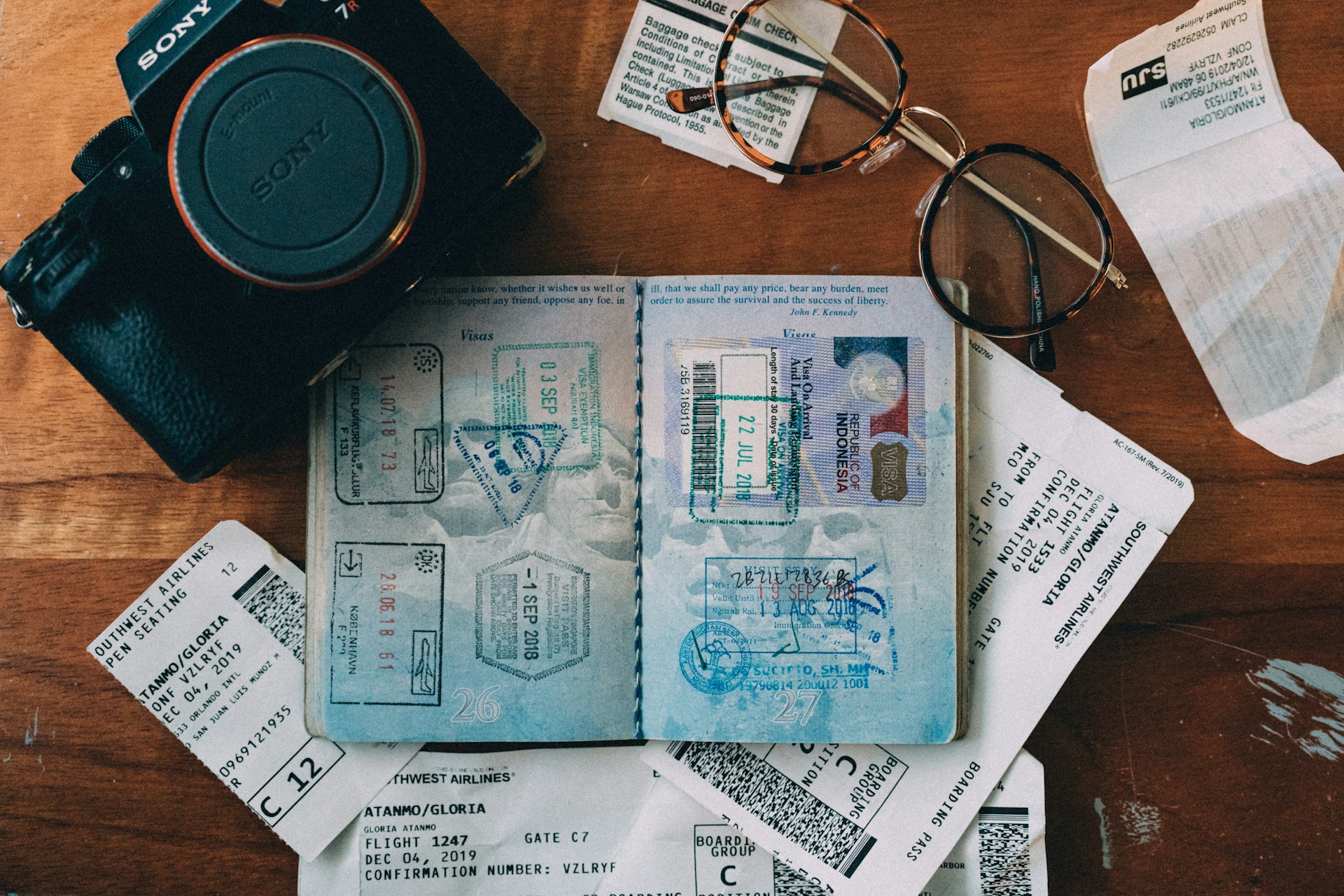
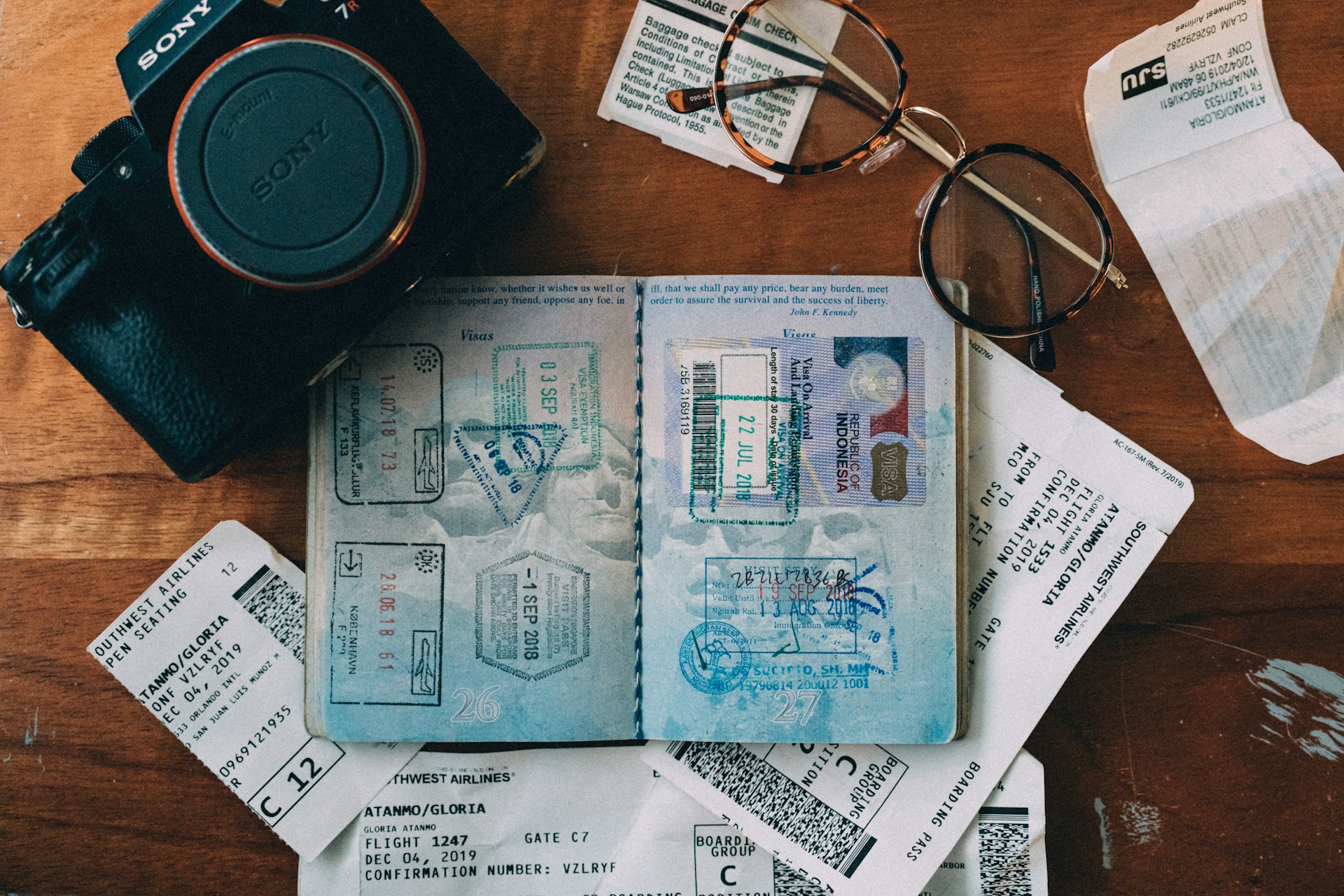
A move from Canada to the United States looks simple on a map. The financial side rarely is. Two tax systems, two banking histories, and one deadline-filled year can catch families off guard. Good planning starts months before the flight. A specialist resource on the financial side of Canadians Moving to the U.S. can lay out the tax and residency steps in order. That head start keeps a hopeful move from turning into a paperwork scramble.
What Financial Moves Come First When You Relocate?
Start with the money questions before you book movers. Your first steps shape every tax and banking choice that follows.
Sort your Canadian accounts, list your assets, and note your departure date. That date sets your Canadian tax exit and your U.S. arrival clock. It also decides which forms you file on each side. A written moving checklist keeps these tasks from slipping through the cracks.
Budget for the parts people forget. Health coverage, a rental deposit, and a first car often cost more than expected. New arrivals also pay upfront for utilities and school fees. Expat Network covers these hidden costs in its guide to financial considerations for a U.S. move.
Talk to your family about the plan too. A shared budget and a clear timeline lower the stress of a big change.
When Do You Become a U.S. Tax Resident?
You become a U.S. tax resident once you meet one of two tests. Timing decides which one applies in your first year.
The IRS explains how to determine your tax residency using these rules:
- The green card test treats you as a resident from the day you gain lawful permanent resident status.
- The substantial presence test counts your days: 31 days this year plus 183 across a weighted three-year formula.
- A first-year move often creates a dual-status year, part non-resident and part resident.
- The U.S. tax year runs from January 1 to December 31, so your arrival month matters.
Cross that residency line and the U.S. taxes your worldwide income. That includes Canadian rental income, dividends, and interest. Planning the exact date can lower your first-year bill.
A mid-year move splits the calendar in a useful way. Income earned before your residency date often stays outside the U.S. net. So a January arrival and a July arrival can produce very different returns.
What Happens to Your RRSP and TFSA After the Move?
Your registered accounts do not all cross the border smoothly. The U.S. treats each type differently, so review them one by one.

The Canada-U.S. tax treaty lets you defer U.S. tax on your RRSP until you withdraw. That relief has been automatic since 2014, so no special election is needed. Your RRSP can keep growing while you settle into the new country.
A TFSA gets no such treaty protection. The IRS taxes the yearly growth, and it may count as a foreign trust with extra filing forms. Many advisors suggest closing a TFSA before you become a U.S. resident.
Also plan for a departure tax. Canada applies a deemed disposition, which treats certain property as sold at fair market value when you leave. Knowing this early helps you avoid a surprise Canadian bill.
How Do You Set Up Banking and Credit In the U.S.?
Your Canadian credit history does not follow you south. You start fresh, so set up the basics early.
Work through these steps in your first weeks:
- Apply for a Social Security number once your visa status allows it.
- Open a U.S. checking account for local bills and payroll.
- Get a secured credit card to begin building a U.S. score.
- Keep one Canadian account open for lingering bills and refunds.
- Report foreign accounts over $10,000 on the FBAR each year.
The FBAR is the foreign bank account report filed with FinCEN. It applies when your accounts abroad top $10,000 at any point in the year. Miss it and penalties climb fast, so track every account you hold.
Building credit takes patience. Pay every bill on time, and keep balances low for the first year. A steady record opens the door to a mortgage or car loan later.
Which Visa Route Fits Your Move South?
Your visa path shapes both your timeline and your finances. Most Canadians move through a family route or an employment one.
The State Department outlines the immigrant visa process in twelve steps. Family cases start with Form I-130, while employers file Form I-140 for skilled workers. Approval by USCIS comes before any interview at a consulate abroad.
A work visa like the TN, opened under the trade agreement, suits many professionals. It is faster to get than a green card, but it ties you to a specific job. Weigh the cost, the wait, and the flexibility of each route.
Match the choice to your career and your budget before you file. A wrong turn here can add months and legal fees. Getting advice early keeps the plan on track.
Your visa status also affects money in quiet ways. It sets when you can work, open accounts, or apply for a Social Security number. Line up the paperwork so your finances are ready on day one.
What to Sort Before You Fly
- Set your departure date early, since it drives both tax clocks.
- Learn which residency test applies in your first U.S. year.
- Keep your RRSP, but weigh closing a TFSA before the move.
- Build U.S. credit from zero with a secured card and steady bills.
- File the FBAR on any foreign accounts above $10,000.
- Pick a visa route that fits both your job and your timeline.
Making the Move Add Up
A cross-border move rewards early, careful planning. Sort your tax residency, your accounts, and your visa before you pack. Start a few months out, and the financial side stays calm.
Frequently Asked Questions
Do I pay tax in both countries after I move?
Possibly, during your first year. You may file a dual-status U.S. return and a final Canadian one. The tax treaty and foreign tax credits usually stop true double taxation.
Should I close my TFSA before moving to the U.S.?
Often yes. The IRS taxes TFSA growth and may treat the account as a foreign trust. Many Canadians close theirs before becoming U.S. residents to skip complex filing.
Can I use my Canadian credit score in the U.S.?
No. Credit histories do not transfer between the two countries. Start building a U.S. score early with a secured card and on-time payments.
When should I start financial planning for the move?
Ideally three to six months before you leave. Early planning lets you time your residency date and sort your accounts. It also leaves room to file the right forms.
