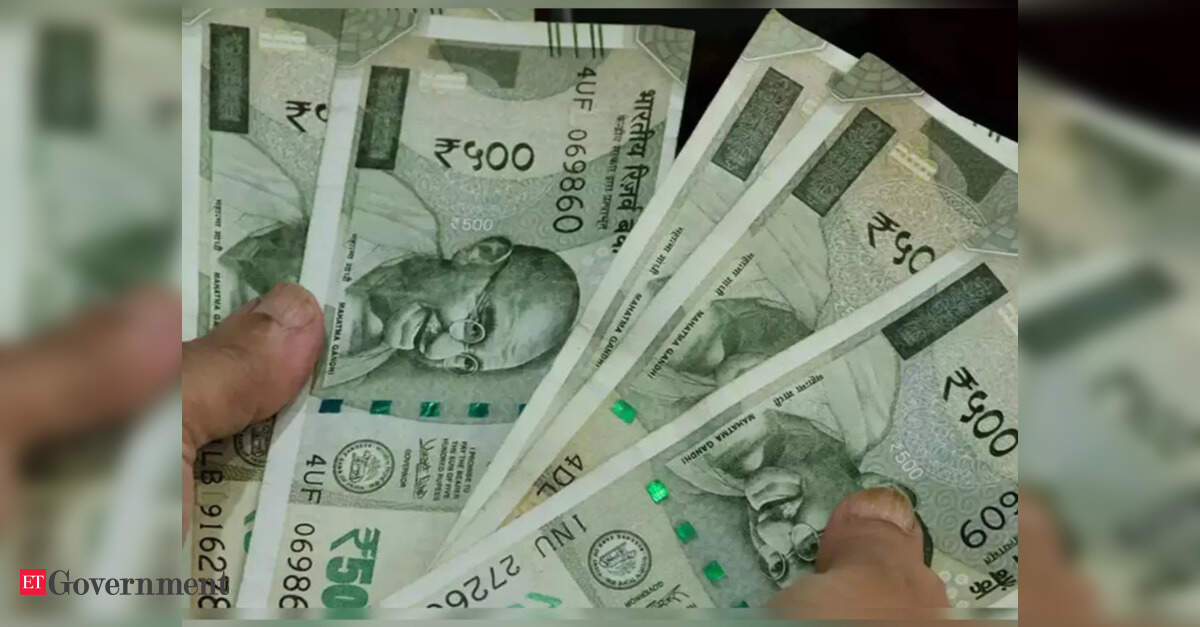
The Indian rupee is settling into a comfortable rhythm, supported by a massive influx of foreign currency and stable macroeconomic fundamentals.
The domestic currency is largely insulated from any sharp swings, buoyed by the Reserve Bank of India’s (RBI) dollar absorption and deposit schemes, brokerage Nirmal Bang noted in its latest note.
The brokerage firm expects the rupee to remain steady, with very limited room for any major rally in long-end government bonds. A key driver behind this currency stability is the success of the FCNR(B) deposit scheme.
By the middle of August, the central bank had already mobilised $52.3 billion, nearly double the amount raised during the 2013 taper tantrum.
Nirmal Bang highlighted that the RBI decided to bring the scheme’s closure forward to August 31, noting that “the early closure likely indicates greater comfort with foreign exchange liquidity and reserves, although the associated cost considerations may also have been a factor.”
Foreign exchange reserves have also seen a healthy bounce, rising $38.4 billion since their lows at the end of June.
The brokerage noted that, despite some underlying depreciation pressure, mostly triggered by volatile crude oil prices, the dollar-rupee has depreciated by a modest 0.7 per cent since early June.
Rupee seen stable
Analysts at Nirmal Bang do not view the early end of the FCNR(B) deposit scheme as a negative cue for the currency.
Historical trends reveal that massive foreign-currency bond issuances typically anchor the rupee rather than trigger steep appreciation, largely because the central bank actively intervenes to absorb a large share of these flows, it noted
The brokerage firm expects history to repeat itself, resulting in a stable rupee over the coming months. India’s current account deficit stood at a mere 0.1 per cent of the gross domestic product in the first quarter of the 2027 financial year.
Even though the trade deficit has widened, it is being successfully offset by higher remittances and transfers, as well as a slight improvement in the services balance, it noted.
Powered by the recent rush of foreign deposits, Nirmal Bang estimates the balance of payments will swing from an $8.1 billion deficit in the first quarter to a substantial surplus of over $56 billion by the close of the financial year.
According to the analysts, systemic liquidity is projected to hit a whopping ₹9 lakh crore by September, supported by the central bank’s foreign exchange purchases, before eventually cooling down during the festive season.
Liquidity limits long-end bond rally
However, the story is slightly different for long-term government bonds. Because the domestic banking system is already flush with liquidity from the foreign exchange route, the central bank will have significantly less need to conduct open market operations to inject cash.
Nirmal Bang anticipates only ₹2.3 lakh crore to ₹3.3 lakh crore in bond purchases, with the bulk kicking in during the fourth quarter. This restricted appetite for central bank bond buying, coupled with elevated global interest rates, leaves very limited scope for a major rally at the longer end of the yield curve.