India’s power sector is entering a new phase marked by rising demand, rapid digitalisation, and an accelerated shift towards cleaner energy sources. Within this broader transition, Bihar has registered notable progress in strengthening its power infrastructure, improving financial performance of utilities, and expanding access to reliable electricity.
The state has reduced aggregate technical and commercial losses, scaled up smart metering, and moved towards a position of surplus power availability, even as it prepares to meet future industrial demand.
These developments assume added significance as Bihar aligns its energy strategy with national priorities such as enhancing renewable capacity, improving distribution efficiency, and ensuring round-the-clock quality power supply. With substantial investments planned across generation, transmission, and distribution, the state is also positioning itself to support industrial growth and greater private sector participation.
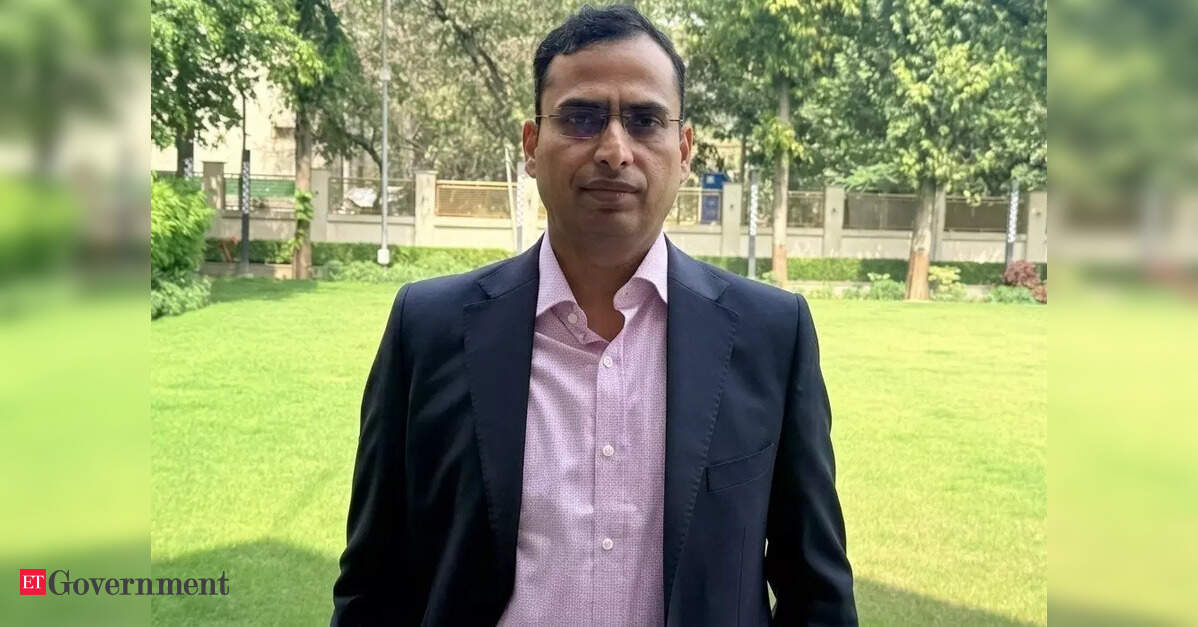
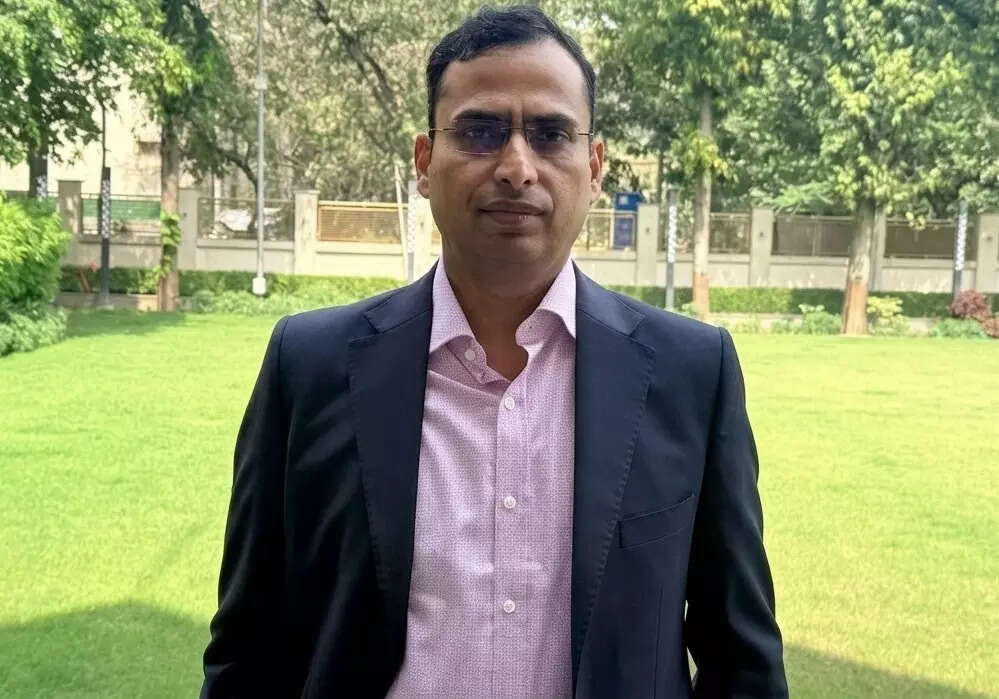
In this conversation with Anoop Verma, Manoj Kumar Singh, Secretary, Department of Energy, Government of Bihar, and Chairman and Managing Director of Bihar State Power Holding Company Ltd., discusses the state’s power sector reforms, investment roadmap, renewable energy strategy, and the role of technology in driving efficiency and consumer-centric service delivery.
Edited excerpts:
Bihar had a strong presence at the Bharat Electricity Summit 2026 in New Delhi from March 19–22. What were your key takeaways from the deliberations, stakeholder interactions, and emerging trends discussed at the Summit?
The experience was extremely enriching. It provided a platform not only for Bihar but for multiple states to showcase their policy frameworks, execution mechanisms, and financial health to potential investors. It allowed us to directly address investor queries and expand the horizon of investment possibilities. In the past 7–8 months alone, Bihar has attracted investments of around ₹43,000 crore in the energy sector, and such events further strengthen that momentum.Equally important was the opportunity to observe innovative solutions presented by startups, technology firms, and power companies. From a learning standpoint, this was highly valuable. We also had detailed interactions with the Government of India after a long time, aligning our thought processes with the national vision of Viksit Bharat 2047 and broader commitments such as COP targets. Finally, such events enhance India’s global image as a rising powerhouse in the energy sector.
There is a perception that Bihar’s power sector has grown due to relatively low industrial demand. How do you respond to this, and how are you preparing for future industrial growth?
I would say that perception is somewhat misplaced. The development of any sector cannot be attributed to a single factor. In Bihar’s case, the progress in the power sector has been driven by strong political resolve, sustained bureaucratic execution, adoption of technology, and robust frameworks around security and governance.
As far as industrial demand is concerned, Bihar is already well-prepared. Our peak demand last year was around 8,800 MW, while we have tied-up capacity exceeding 11,000 MW. By 2030, peak demand is expected to reach approximately 12,000 MW, and we have already secured power purchase agreements exceeding 17,000 MW.
We are proactively expanding infrastructure in coordination with the industry department. We have identified future industrial clusters and are strengthening transmission and distribution networks in advance. I firmly believe that infrastructure must precede demand, not follow it. Over the next five years, Bihar plans to invest more than ₹81,000 crore across generation, transmission, and distribution, through both public and private investments.
How is Bihar aligning with India’s energy transition goals and net-zero commitments?
India has committed to achieving 50% of its installed capacity from non-fossil sources by 2030. Bihar is fully aligned with this vision. Currently, over 39% of our power capacity comes from non-fossil sources. Under our resource adequacy plan, we aim to increase this to 51.3% by 2030. This aligns seamlessly with national targets and reflects our commitment to sustainability and energy transition.
AT&C losses have historically been a challenge. What is Bihar’s current position, and what interventions have worked?
Bihar was once among the states with the highest AT&C losses. In 2020–21, losses were around 32%. Today, we have reduced them to slightly above 15%, which is below the national average of around 16%.
This transformation has been achieved through a multi-pronged strategy. We invested heavily in upgrading transmission and distribution infrastructure—over ₹75,000 crore in the last decade. We adopted advanced technologies, particularly smart prepaid metering, and implemented institutional reforms in manpower and policies.
Strong financial support from the state government, including timely subsidy payments and cost-reflective tariffs, has also played a critical role. As a result, both our DISCOMs have turned profitable within a relatively short period of time.
There are concerns nationally about DISCOM financial stress. What is the situation in Bihar?
In Bihar, the situation is quite different. Both DISCOMs are profitable. In FY 2024–25, their combined profit exceeded ₹2,000 crore. Smart prepaid meters have significantly improved revenue realization and cash flow, reducing the need for working capital borrowing. This has also lowered our debt burden while improving operational efficiency and consumer satisfaction.
What role have central schemes like RDSS played in Bihar’s power sector reforms?
The Revamped Distribution Sector Scheme (RDSS) has been highly effective. It is performance-linked, which ensures that states delivering results are rewarded. In Bihar’s case, RDSS funding has supported modernization of distribution infrastructure and adoption of advanced technologies. It has been instrumental in accelerating reforms and improving overall system efficiency.
Given Bihar’s limited conventional energy resources, how are you ensuring energy security?
The current global energy situation actually presents an opportunity for India to accelerate electrification. Electricity currently accounts for only about 20% of total energy consumption, and increasing this share will enhance energy autonomy. Bihar is not entirely dependent on external sources. NTPC operates six power plants within the state with a combined capacity exceeding 8,000 MW. Additionally, we are developing a 2,400 MW thermal power plant in Bhagalpur, one of the largest in eastern India.
On the renewable side, we are aggressively expanding solar capacity—both utility-scale and decentralized. We are also pioneering floating solar projects, with successful pilots in Darbhanga and ongoing projects in Nawada and Kaimur. Canal-top and canal-bank solar installations are also being explored. This diversified approach is aimed at reducing dependence on imported fossil fuels and enhancing long-term energy security.
Bihar has emerged as a leader in smart metering. What progress has been made?
Bihar is currently the leading state in smart prepaid meter deployment. We have installed over 87 lakh smart meters so far. These meters have helped curb theft, improve billing efficiency, and strengthen cash flow. They also empower consumers by allowing them to monitor and manage their consumption. We plan to cover the entire consumer base within the next two years. The data generated from these meters is a valuable asset, which we will leverage for demand forecasting, predictive maintenance, and improved operational efficiency using advanced analytics.
What incentives are being offered to industries and MSMEs in terms of power supply?
We provide subsidies to industrial consumers—approximately ₹1 per unit. Additionally, we offer open access for consumers with demand above 1 MW, allowing them flexibility in sourcing power. We also have provisions for green tariffs, enabling industries to procure renewable energy to meet ESG commitments. Several industries are already availing of green power. Beyond this, sector-specific policies provide additional incentives, including access to cheaper power for certain industries.
How is the state supporting low-income households in terms of electricity affordability?
While tariffs are determined based on cost-reflective principles, the state government provides substantial subsidies to consumers. Domestic, agricultural, and BPL households are all supported through targeted subsidy schemes. The government allocates approximately ₹22,000 crore annually towards subsidies, ensuring that electricity remains affordable while maintaining the financial viability of utilities.
Looking ahead to 2030, what are the key priorities for Bihar’s power sector?
I would not frame them as challenges, but rather as priority areas. Cybersecurity is a critical concern in a fully digitized power sector, and we are strengthening our systems with advanced security frameworks. Ensuring reliable 24×7 power supply remains central to our mission. We are also focusing on improving consumer satisfaction through better service delivery.
Significant investments—over ₹81,000 crore—are planned in generation, transmission, and distribution. We are also adopting new models such as Tariff-Based Competitive Bidding (TBCB) to attract private participation. Finally, we aim to leverage data and emerging technologies such as artificial intelligence and machine learning to enhance efficiency, optimize operations, and build a future-ready power ecosystem.