 “>
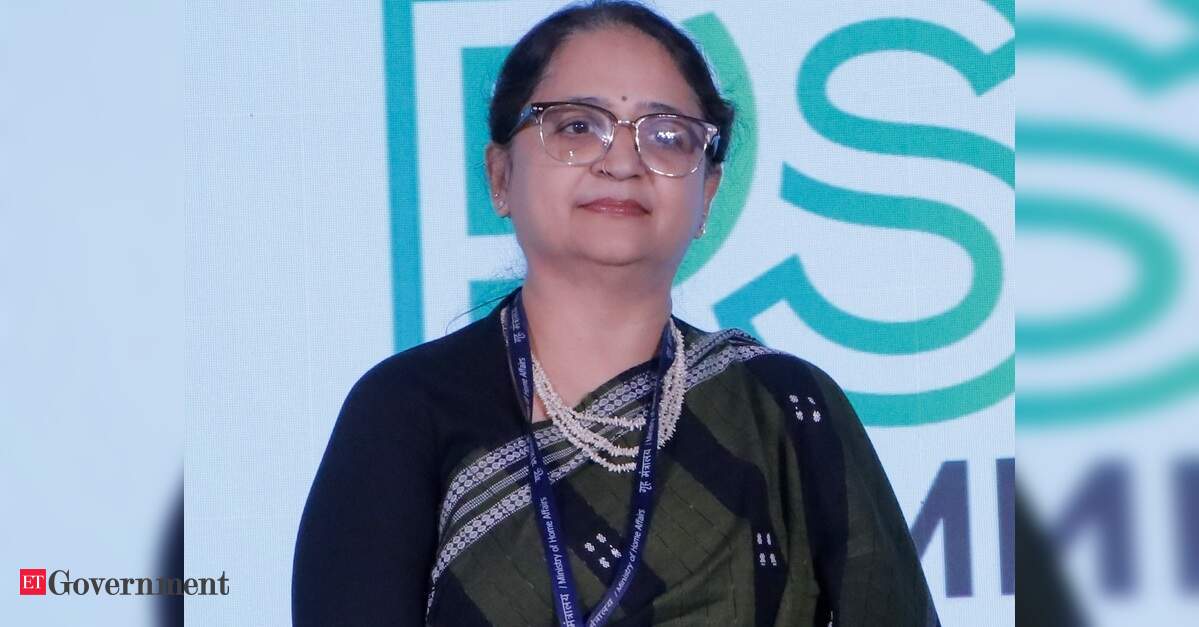
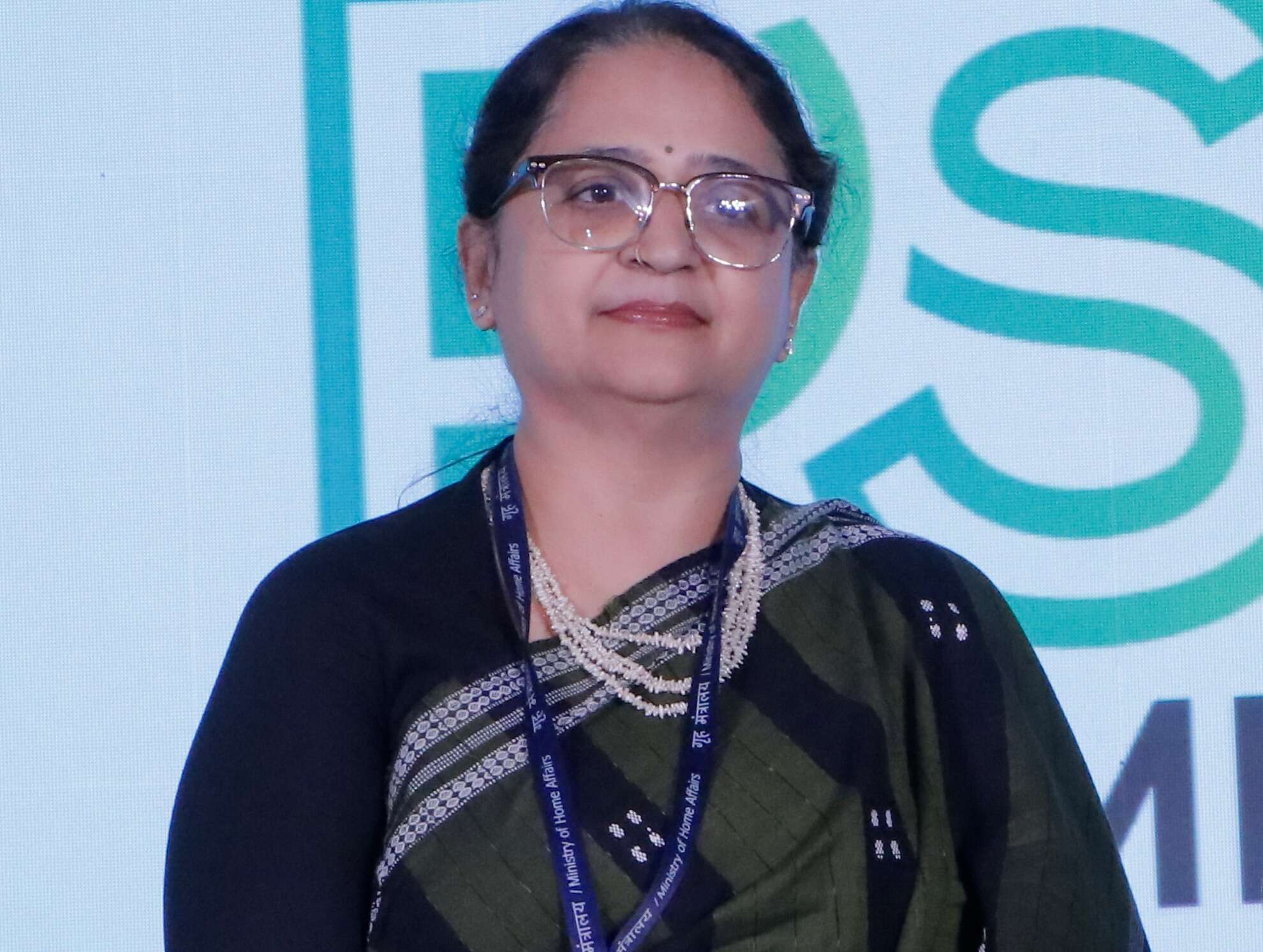
“>“If there is universal coverage of all the farmers, the prices would go down, risk management would improve, and every farmer would be protected,” said Dr. Lavanya R. Mundayur, Chairman-cum-Managing Director, Agriculture Insurance Company of India Ltd. (AIC), during a fireside chat at the National PSU Summit 2026 held in the plush Oval Hall of Hyatt Regency, New Delhi, on June 19.The conversation, moderated by Anoop Verma, the author of this article, focused on the evolving role of agricultural insurance in an era of climate change, technological transformation, and growing aspirations within rural India. Speaking before an audience comprising senior government officials, PSU leaders, policymakers, industry executives, bankers, technology providers and development sector stakeholders, Dr. Mundayur argued that risk protection for farmers must become a core pillar of India’s rural development strategy.
Agriculture, she noted, remains one of the most uncertain sectors of the economy despite advances in technology and infrastructure.
“Unlike most other sectors, agriculture faces uncertainty in production, uncertainty in prices, uncertainty in distribution and uncertainty arising from climate. Even if weather conditions are favourable, farmers continue to face multiple risks. Insurance can absorb some of these risks, but many challenges require improvements across the entire ecosystem,” she said.
According to Dr. Mundayur, climate change has amplified existing vulnerabilities, making agricultural risk management more critical than ever. However, she emphasised that insurance alone cannot solve every challenge confronting farmers.
“There are risks such as climate-related losses and yield losses that can be absorbed to some extent by the insurance industry. But there are other challenges that require broader systemic interventions,” she observed.
A significant part of the discussion focused on the changing aspirations of rural India and the need to make agriculture economically sustainable for future generations.

“Eighty-eight per cent of India’s farmers are small and marginal farmers. Some form of protection, access to credit and financial security is essential if agriculture is to remain viable as a livelihood,” she said.
Dr. Mundayur highlighted that despite extensive government efforts, insurance penetration remains lower than desired. She pointed out that while India has millions of Kisan Credit Card holders, only a fraction are covered under crop insurance programmes.
“To improve awareness and outreach, last year we hand-delivered nearly five crore policy documents to farmers’ homes. A great deal of effort is required to explain the value of insurance and build trust among farmers,” she said.
She also underlined the importance of wider state participation in crop insurance schemes, arguing that broader participation would improve risk pooling and make the system more sustainable.
“When only those who perceive themselves to be at risk participate, adverse selection becomes a challenge. Universal coverage would create a healthier risk pool and ultimately benefit farmers across the country,” she said.
Technology Transforming Agricultural Insurance
The discussion also explored how emerging technologies are reshaping agricultural insurance.
Dr. Mundayur explained that AIC has increasingly adopted satellite imagery, geospatial analytics, digital land records and data-driven assessment models to improve transparency and efficiency in insurance operations.
“Data is extremely important. Artificial intelligence is only as good as the quality of data that goes into it,” she remarked. She explained that satellite-based monitoring has significantly reduced dependence on manual assessments.
“Today we use satellite data along with in-house analytical models. The information is cross-verified with field-level data, enabling better crop assessment and more accurate decision-making,” she said.
However, she cautioned against viewing technology as a complete substitute for human engagement.
“We use technology extensively, but we also rely on people. Trust is built through human interaction. The human factor, the machine factor and the data factor must work together,” she said.
Describing AIC’s operational model, Dr. Mundayur noted that the company functions with remarkable efficiency despite its relatively small workforce.
“We have around 450 employees, nearly one-third of whom are technology professionals. With a business turnover of approximately ₹10,000 crore, we operate with the agility of a startup while serving a national developmental mandate,” she said.
Insurance and the Vision of Viksit Bharat
When asked about the role of agricultural insurance in the vision of Viksit Bharat, Dr. Mundayur reiterated that universal farmer protection should become a national objective.
“An insurance revolution in agriculture will happen only when universal coverage becomes a reality. At least a basic insurance cover should be available to every farmer in the country, irrespective of where they are located or what risks they face,” she said.
She stressed that India’s geographic diversity creates vastly different risk profiles across states and districts, making comprehensive risk protection even more important. “India is a continent-sized country. The risk challenges of every state and every district are different. Universal coverage is the way forward,” she added.
National PSU Summit 2026
The National PSU Summit 2026 brought together leaders from public sector enterprises, government departments, industry associations, technology companies, financial institutions and policy think tanks to discuss the role of public sector enterprises in driving India’s economic transformation.
The summit featured discussions on digital transformation, infrastructure development, energy security, technology adoption, governance reforms, financial sustainability, innovation and public service delivery. Senior government officials, PSU chairpersons and managing directors, industry leaders, diplomats and domain experts participated in various sessions throughout the day.
The fireside chat with Dr. Lavanya R. Mundayur added an important dimension to the deliberations by highlighting the challenges and opportunities in safeguarding the livelihoods of millions of farmers and strengthening India’s agricultural resilience in an increasingly uncertain world.