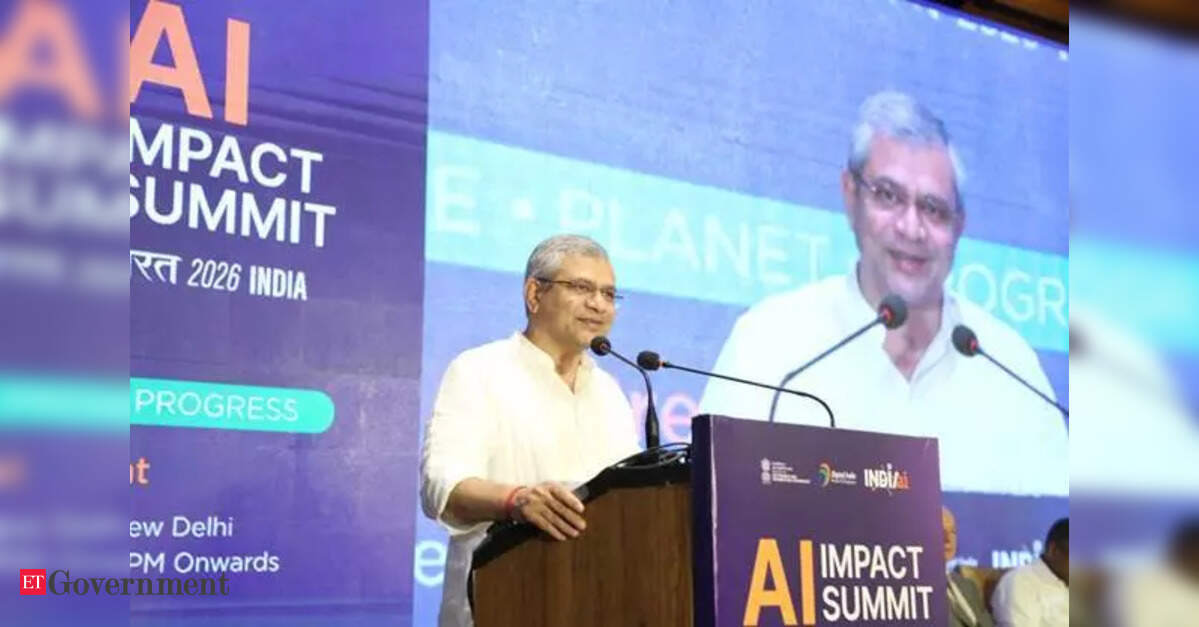
On 19th February 2026, India convened a broad cross-section of countries and international organisations for the AI Impact Summit, culminating in the adoption of the New Delhi AI Impact Summit Declaration. This was an effort to shape a more coordinated and inclusive trajectory for international AI cooperation.
Anchored in the Summit vision of “Sarvajana Hitaya, Sarvajana Sukhaya” – “Welfare for all, Happiness for all”, the Declaration articulates a shared foundation for navigating the transformative impact of AI. In contrast to framings that characterise AI development primarily in competitive or zero-sum terms, the New Delhi Declaration advances a vocabulary centered on cooperation, democratisation of access, trust, and inclusion.
Endorsed by over 90 nations and international organizations spanning the Global North and South, it underscores the importance of aligning innovation with accountability and shared developmental outcomes. It is within this broader vision that the Declaration articulates a set of reinforcing priorities that shape its overall direction and intent. There are three key aspects which make this declaration unique:
Inclusive international cooperation: Central to the summit’s vision is its emphasis on inclusive international cooperation as the foundation for shaping a balanced and representative global AI ecosystem. According to a 2025 Microsoft report, AI usage in the Global North (24.7%) is nearly double that of the Global South (14.1%). This highlights a dangerous ‘digital divide’.
By reinforcing voluntary and multistakeholder collaboration, the Declaration positions international cooperation not as an aspirational ideal, but as a functional necessity. Shared platforms, collaborative networks, and guiding frameworks as proposed in the Declaration provide mechanisms for pooling knowledge, diffusing successful applications, and developing common reference points on trust and security.
The alliance for ‘Advancing Inclusion through AI’ adopted in the summit a team of countries and groups working together to make sure AI doesn’t just benefit a specific segment. This alliance wants to ensure that people in developing nations have the same tools and chances to use AI as everyone else, focusing on fairness and real-world help for citizens.
Elevating Global South Priorities: The summit elevated the priorities of the Global South within the evolving AI landscape by recognizing that diverse developmental contexts merit meaningful incorporation within global AI deliberations.
The Declaration reflects a shared understanding that AI’s impacts across employment, infrastructure, energy systems, and public service delivery require careful consideration across diverse national contexts. By focusing on basic resources and local innovation, the Declaration puts the needs of developing nations at the heart of the global AI conversation. This ensures the Global South helps build the AI future rather than just being a silent customer.
Focus on the Impact on citizens: The Declaration places a calibrated emphasis on impact, underscoring the shared resolve of participating countries and international organizations to ensure that AI delivers tangible and inclusive benefits. The focus of the Declaration extends beyond broad normative principles toward enabling practical pathways for adoption, replication, and scale.
Through voluntary and collaborative initiatives such as the Global AI Impact Commons and efforts aimed at democratizing access to AI resources, the Declaration highlights the importance of fostering conditions that support economic growth, social empowerment, scientific advancement, human capital development, and resilient infrastructure systems.
This approach situates international cooperation within an implementation-oriented framework, reaffirming that the true measure of progress will lie in AI’s capacity to generate broad-based, sustainable, and cross-border impact.
In sum, the India AI Impact Summit 2026 transcended rhetoric, delivering a pragmatic blueprint for AI’s future. New Delhi’s collaborative model charts a viable path forward. While some global frameworks focus on strict, risk-based regulation and others prioritize unfettered, market-led growth, this blueprint offers a third path: equitable development that balances innovation with public interest.
These ideas must be put into action to turn the risks of AI into benefits for everyone. As the summit affirmed, equitable AI cooperation isn’t merely aspirational; in our interconnected world, it is the only sustainable imperative.
(The author is Director, IndiaAI Mission; Views expressed are personal)