With over 88 GW of installed capacity and a roadmap to reach 149 GW by 2032, NTPC Limited is at the forefront of India’s evolving energy landscape. As the company balances thermal efficiency with an aggressive clean energy transition, regions like Uttar Pradesh are emerging as key growth hubs.
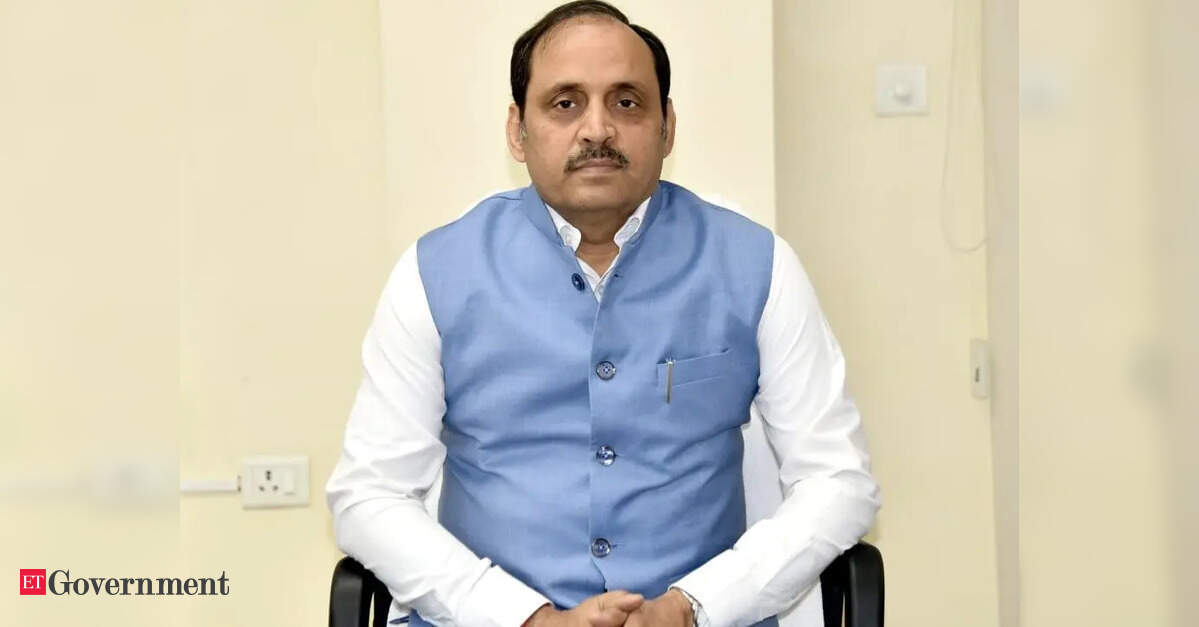
In conversation with ETGovernment, Diwakar Kaushik, Regional Executive Director (North), NTPC Limited and CEO, NTPC-SAIL Power Co. Ltd. discusses capacity expansion, renewable investments, nuclear plans and NTPC’s role in supporting India’s net zero ambitions.
Edited excerpts:
NTPC continues to be a key pillar of India’s power sector. Can you outline its current scale and future roadmap?
NTPC remains central to India’s energy landscape, contributing about 16.7% of the country’s installed capacity and nearly 24% of total power generation. Our overall installed capacity has crossed 88 GW, and we are targeting 149 GW by 2032, including a significant 60 GW from non-fossil fuel sources.
The Northern Region continues to be a major contributor. As of March 29, 2026, it generated 1,10,992 million units (MU), accounting for 25.64% of NTPC’s total generation, with a Plant Load Factor (PLF) of 72.4%. Key stations such as Rihand, Singrauli and Vindhyachal have delivered consistently strong operational performance. Importantly, the region has maintained an excellent safety record, with zero fatal incidents over the past three years.
Can you give an overview of NTPC’s infrastructure in Uttar Pradesh and future expansion plans?
NTPC currently has over 14,000 MW of installed capacity in Uttar Pradesh under the Northern Region. We are further strengthening this base with the addition of 1,600 MW at Singrauli Stage-III, which is targeted for commissioning by 2028.
The Government of Uttar Pradesh has expressed willingness to procure up to 100% of the power generated from this project, which underscores the state’s growing energy demand and confidence in NTPC.
In addition, a 20 MW solar project at Rihand is in its final stages and is expected to begin generation shortly. Meja Stage-II is also under active discussion with the state government, with work likely to commence next year.
What is NTPC’s renewable energy footprint in Uttar Pradesh? What progress has NTPC made in green hydrogen?
Our renewable portfolio in Uttar Pradesh is steadily expanding. We already have a 225 MW solar plant at Bilhaur near Kanpur. In addition, nearly 1,000 MW of solar capacity is under development in Chitrakoot and Lalitpur through NTPC Green Energy Ltd. We are also exploring opportunities to scale solar capacity further in alignment with the state’s clean energy ambitions.
NTPC is actively working on green hydrogen as a key pillar of its energy transition strategy. A pilot project is currently underway in Greater Noida through our R&D wing. While the technology is proven, our focus is now on improving economic viability and scalability.
Beyond Uttar Pradesh, we are developing a large green hydrogen and green chemicals hub at Pudimadaka near Visakhapatnam, spread across 1,200 acres, which will be a significant step toward industrial decarbonisation.
Could you elaborate on NTPC’s waste-to-energy initiative in Varanasi?
At Varanasi, we are converting municipal solid waste into “green coal,” which is co-fired in the boilers of the Unchahar power station. This initiative not only helps manage urban waste efficiently but also reduces coal consumption.
As waste segregation improves and operations stabilise, this model can be replicated in other cities such as Gorakhpur and Greater Noida. It also has the potential to significantly improve urban cleanliness and support rankings under the Swachh Bharat Abhiyan.
What is the status of NTPC’s nuclear power plans in Uttar Pradesh?
NTPC has entered the nuclear energy space as part of its long-term strategy for reliable and low-carbon power. In Uttar Pradesh, three potential sites—near Lalitpur, Sonbhadra, and Prayagraj—have been identified. Proposals have been submitted to the state government, and discussions are ongoing regarding land allocation, water availability, and regulatory clearances.
How is NTPC addressing intermittency in renewable energy through storage solutions?
Battery Energy Storage Systems (BESS) are critical for integrating renewable energy into the grid. We are piloting BESS at stations such as Dadri, particularly at non-pithead locations, to address solar intermittency. NTPC has already secured 5 GW of BESS capacity at the national level, which will be deployed over the next two years.
What role does NTPC see for itself in India’s Net Zero 2070 target?
As India’s largest power producer, NTPC has a pivotal role in enabling the country’s Net Zero ambitions. Our strategy focuses on reducing emissions from existing fossil fuel assets, rapidly scaling up renewable energy, and introducing nuclear power as a long-term replacement for coal-based generation. We are committed to ensuring that growth and sustainability go hand in hand.
Are there plans to expand floating solar projects in Uttar Pradesh?
A 20 MW floating solar plant is already operational at Auraiya. While we are exploring additional floating solar opportunities nationally, there are no immediate plans for expansion in Uttar Pradesh.
How is NTPC contributing to social development in the region?
NTPC continues to drive inclusive growth through its CSR initiatives, focusing on healthcare, skill development, women empowerment, and sports promotion. Our partnership with the Archery Association of India has helped promote the sport at the grassroots level, including events like the NTPC Khelo India National Ranking Women’s Archery Tournament in Lucknow.
We are also supporting wildlife conservation through initiatives such as animal adoption and infrastructure support at local zoological facilities. Additionally, our flagship Girl Empowerment Mission (GEM) has benefited around 718 young girls in FY 2025–26, helping them build confidence and access better opportunities.
What are your top three immediate priorities as Regional Executive Director (North)?
Our immediate priorities are focused on execution and efficiency across key areas. These include the timely commissioning of the Singrauli Stage-III units, improving gas availability for the Dadri and Auraiya gas-based plants to enhance their Plant Load Factor (PLF), and ensuring the on-schedule execution of solar projects across Uttar Pradesh.